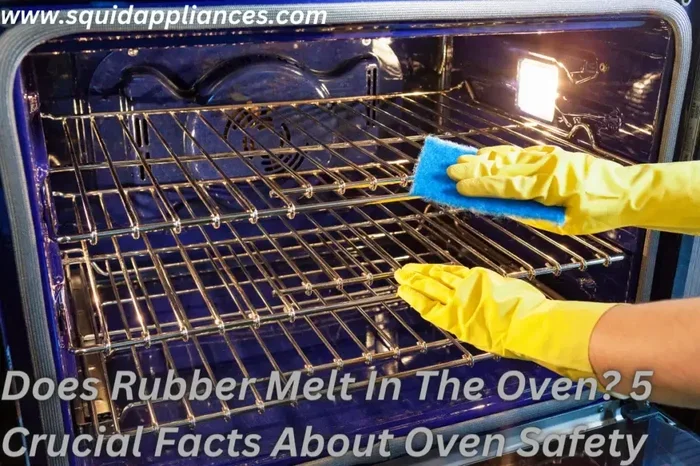
Does Rubber Melt In The Oven Here Is The Full Answer
Yes, most rubber melts in the oven because typical rubber has a low melting point compared to oven temperatures. Natural rubber begins to soften around 180°F and melts between 300°F and 400°F, while synthetic rubber can behave differently depending on its chemical makeup. Understanding what happens to rubber in high heat helps you keep your kitchen safe and avoid toxic fumes or oven damage.
Have you ever wondered what happens if a piece of rubber accidentally ends up in a hot oven? Maybe you forgot to pull out a rubber band before baking, or a rubber gasket fell into the bottom of the oven during cleaning. Either way, the question is simple: does rubber melt in the oven?
The short answer is yes. Most rubber melts in the oven, and the results are not pretty. But the full story is more interesting than you might think. Different types of rubber react to heat in different ways, and understanding these differences can save you from a messy, smelly, and potentially dangerous kitchen situation.
In this article, we will walk through everything you need to know about rubber and oven heat. We will cover melting points, what happens when rubber burns, which types of rubber are oven safe, and how to clean up if something goes wrong. Whether you are a home cook or just curious about material science in the kitchen, this guide has you covered.
Key Takeaways
- Rubber melts at relatively low temperatures: most rubber types begin to degrade between 200°F and 400°F, well within typical oven ranges.
- Not all rubber is the same: natural rubber, synthetic rubber, and silicone behave very differently when exposed to oven heat.
- Melting rubber releases harmful fumes: burning rubber produces toxic smoke that can contaminate food and damage your oven.
- Silicone is a safer alternative: food-grade silicone can handle much higher temperatures than regular rubber.
- Always check oven-safe labels: never assume a rubber item can go in the oven without verifying its heat resistance rating.
- Quick action matters: if rubber melts in your oven, turn it off, let it cool, and clean it properly to avoid residue and odors.
- Rubber oven mitts and handles are not oven-proof: they can melt or catch fire if they touch hot surfaces inside the oven.
📑 Table of Contents
- What Happens When Rubber Goes in the Oven
- Types of Rubber and Their Heat Tolerance
- Common Rubber Items Found in the Kitchen
- What to Do If Rubber Melts in Your Oven
- Health and Safety Concerns of Melting Rubber
- Rubber in the Oven: Comparison Table
- Expert Tips for Keeping Rubber Out of Your Oven
- When to Call a Professional
- Final Thoughts on Rubber and Oven Heat
What Happens When Rubber Goes in the Oven
Rubber is a polymer material made from long chains of molecules. These chains give rubber its flexibility and stretch. But when you expose rubber to high heat, those molecular chains start to break down. This process is called thermal decomposition.
At first, rubber will soften and become pliable. Then it will begin to lose its shape. Eventually, it will melt into a gooey mess. If the heat is high enough, the rubber will actually burn and release dark smoke with a very strong, unpleasant odor.
The Melting Process Step by Step
Here is what typically happens when rubber is exposed to oven heat over time:
- Softening phase (150°F to 200°F): The rubber begins to lose its rigidity. It may start to droop or change shape.
- Warping phase (200°F to 300°F): The rubber deforms significantly. Edges curl and the material becomes sticky.
- Melting phase (300°F to 400°F): The rubber turns into a liquid or semi-liquid state. It may drip and spread across surfaces.
- Burning phase (above 400°F): The rubber chars, blackens, and releases toxic fumes including sulfur dioxide and carbon monoxide.
Most home ovens operate between 300°F and 500°F for baking and roasting. This means that rubber can easily reach its melting or burning point during normal cooking. Rubber melting point varies by type, but almost all common rubber materials cannot handle typical oven temperatures.
Why Rubber Melts: The Science Simplified
Rubber is made of long molecular chains called polymers. These chains are cross-linked, which gives rubber its stretchy properties. When heat is applied, the cross-links weaken and the chains start to slide past each other. This is why rubber becomes soft and then liquid in the oven.
Think of it like a net made of strings. When the strings are intact, the net holds its shape. But when you heat the strings enough, they start to dissolve and the net falls apart. That is essentially what happens to rubber in high heat.
Types of Rubber and Their Heat Tolerance
Not all rubber is created equal. Some rubber materials can handle more heat than others, but none of them are truly oven safe at typical baking temperatures. Here is a closer look at the most common types.
Natural Rubber
Natural rubber comes from latex, a milky sap found in rubber trees. It is one of the most common types of rubber in the world. Natural rubber has a relatively low heat resistance. It begins to soften around 180°F and starts to melt between 300°F and 350°F.
If a natural rubber band or natural rubber gasket ends up in a hot oven, it will melt quickly and leave behind a sticky residue. The fumes produced are also quite strong and unpleasant.
Synthetic Rubber
Synthetic rubber is man-made and designed for specific industrial uses. There are many types of synthetic rubber, and their heat tolerance varies widely.
- Neoprene: Can handle temperatures up to about 400°F before breaking down.
- Nitrile: Has a similar range to neoprene, around 300°F to 400°F.
- EPDM rubber: Can withstand temperatures up to 350°F to 400°F.
- Butyl rubber: Handles heat up to about 300°F before melting.
Even the most heat-resistant synthetic rubbers will eventually melt or degrade in a hot oven. They may last longer than natural rubber, but they are not a safe or reliable choice for oven use.
Rubber vs Silicone: What Is the Difference?
This is one of the most common points of confusion in the kitchen. Many people assume that rubber and silicone are the same thing, but they are not.
Silicone is a synthetic polymer made from silica, which is derived from sand. It has a much higher heat tolerance than rubber. High-quality food-grade silicone can withstand temperatures up to 450°F to 500°F without melting or releasing harmful fumes.
Rubber, on the other hand, is made from organic polymers derived from latex or petroleum. It has a much lower heat tolerance and will melt at temperatures well below what most ovens reach during baking.
If you are looking for a safe material to use in the oven, silicone is the clear winner. If you see a product labeled as “rubber,” it is almost certainly not oven safe. Always check the label carefully and look for oven safe rubber certifications, though true oven-safe rubber is very rare.
Common Rubber Items Found in the Kitchen
Rubber is more common in the kitchen than you might think. Here are some items that people sometimes accidentally put in the oven:
Rubber Bands
Rubber bands are perhaps the most common culprit. People sometimes forget to remove a rubber band from a piece of foil or a container before placing it in the oven. A rubber band will melt almost instantly at baking temperatures, leaving behind a sticky, burnt mess that is very difficult to clean.
Rubber Gaskets and Seals
Many ovens have rubber gaskets around the door to create a tight seal. These gaskets are designed to withstand oven heat to a certain degree, but they are not meant to be removed and placed inside the oven. If a gasket breaks and falls into the oven, it will likely melt onto the heating elements or oven floor.
Rubber Oven Mitts and Handles
Some oven mitts and pot holders have rubber grips or inserts. These are designed for handling hot items on the stove, not for placing inside the oven. Putting rubber-handled items directly on an oven rack will cause the rubber to melt and potentially release toxic fumes.
Rubber Baking Mats (Not to Be Confused with Silicone Mats)
Some older baking mats are made from rubber rather than silicone. These should never go in the oven at high temperatures. Always check the manufacturer’s instructions before using any baking mat at high heat.
What to Do If Rubber Melts in Your Oven
Accidents happen. If you discover that rubber has melted inside your oven, do not panic. Here is a step-by-step guide to handling the situation safely.
Step 1: Turn Off the Oven and Let It Cool
The first thing you should do is turn off the oven and remove any food items. Let the oven cool completely before attempting any cleaning. Melting rubber releases toxic fumes, so make sure your kitchen is well ventilated during this process. Open windows and turn on the range hood if you have one.
Step 2: Remove the Melted Rubber
Once the oven is cool, use a plastic scraper or spatula to gently remove any solidified rubber. Do not use metal utensils, as they can scratch the oven surface. Work carefully to avoid spreading the melted rubber to other areas of the oven.
Step 3: Clean the Affected Area
For sticky residue, apply a mixture of baking soda and water to the affected area. Let it sit for 15 to 20 minutes, then wipe it away with a damp cloth. You can also use a commercial oven cleaner for tougher residue, but make sure to follow the product instructions carefully.
Step 4: Check for Damage
Inspect the oven interior for any damage. If the rubber melted onto the heating elements, they may need to be replaced. If the rubber was on the oven floor or walls, the surface should be fine once cleaned, but watch for any lingering odors.
If you are dealing with melted rubber on a baking tray or pan, the same cleaning method applies. Soak the item in hot soapy water first, then use a non-abrasive scrubber to remove any remaining residue.
Health and Safety Concerns of Melting Rubber
Melting rubber in the oven is not just a nuisance. It poses real health and safety risks that every home cook should be aware of.
Toxic Fumes
When rubber burns or melts, it releases a cocktail of harmful chemicals into the air. These include sulfur dioxide, carbon monoxide, and various volatile organic compounds (VOCs). Breathing in these fumes can cause headaches, nausea, and respiratory irritation. In enclosed spaces, the fumes can be particularly dangerous.
This is one of the main reasons why you should never intentionally put rubber in the oven, even out of curiosity. The rubber toxicity risk is real and should not be taken lightly.
Food Contamination
If rubber melts inside the oven while food is cooking, the food may become contaminated with chemicals from the burning rubber. Even if you cannot see the rubber on the food, invisible particles and fumes can settle on the surface. When in doubt, throw out any food that was cooking in the oven at the time rubber melted.
Fire Hazard
In rare cases, melting rubber can catch fire, especially if it comes into direct contact with oven heating elements. Rubber that is melting and dripping can ignite if it reaches a hot enough surface. Always keep a close eye on your oven if you suspect any foreign material is inside.
Rubber in the Oven: Comparison Table
Here is a quick comparison of common rubber types and their behavior in the oven:
| Rubber Type | Melting Point Range | Oven Safe? | Fumes Released? |
|---|---|---|---|
| Natural Rubber | 300°F to 350°F | No | Yes, strong odor |
| Neoprene (Synthetic) | 350°F to 400°F | No | Yes, moderate odor |
| Nitrile (Synthetic) | 300°F to 400°F | No | Yes, moderate odor |
| EPDM Rubber | 350°F to 400°F | No | Yes, mild odor |
| Food-Grade Silicone | 450°F to 500°F | Yes | No, safe up to limit |
As you can see from the table, no common rubber type is truly oven safe. Only food-grade silicone can handle oven temperatures without melting or releasing harmful fumes.
Expert Tips for Keeping Rubber Out of Your Oven
Prevention is always better than cleanup. Here are some practical tips to help you avoid rubber accidents in the oven:
- Inspect your food packaging: Before placing anything in the oven, check for rubber bands, plastic ties, or rubber seals that might have been left on.
- Use silicone instead of rubber: Replace rubber oven mitts, baking mats, and gaskets with silicone versions that are rated for high heat.
- Read product labels carefully: Look for oven-safe ratings before using any kitchen tool in the oven. If it says “rubber,” it is probably not oven safe.
- Clean your oven regularly: A clean oven makes it easier to spot foreign objects before they become a problem.
- Keep rubber items away from the oven: Store rubber bands, gaskets, and rubber-handled tools in a drawer or container away from the stove and oven area.
If you are looking for a reliable oven-safe alternative to rubber, silicone is your best bet. Silicone baking mats, silicone oven mitts, and silicone gaskets can all handle high temperatures without melting or releasing harmful chemicals.
When to Call a Professional
Most rubber melting incidents can be handled with basic cleaning. However, there are times when you should call in a professional. If rubber melted onto the oven heating elements and damaged them, a technician may need to replace the parts. If you notice a persistent burning rubber smell that does not go away after cleaning, there may be residue deep inside the oven that requires professional attention.
Also, if you ever experience smoke or a small fire caused by melting rubber, do not try to handle it yourself if it spreads. Turn off the oven, keep the door closed to starve the fire of oxygen, and call for help if needed.
Final Thoughts on Rubber and Oven Heat
The answer to the question does rubber melt in the oven is a clear and definitive yes. Almost all types of rubber will melt, warp, or burn at typical oven temperatures. The melting process releases toxic fumes, creates a mess, and can contaminate your food.
The best way to protect your oven and your health is to keep all rubber items away from high heat. If you need a heat-resistant material for kitchen use, invest in food-grade silicone products that are specifically designed to handle oven temperatures. They are widely available, affordable, and much safer than rubber.
For more information on oven-safe materials and cooking techniques, check out our guide on are Pyrex oven safe to learn about glass bakeware and heat resistance. If you are curious about what other materials behave in the oven, you might also enjoy our article on how to cook a 15 lb prime rib in the oven, which covers proper oven temperatures and safe cooking practices. And for a fun oven recipe, try our oven barbecue meatballs recipe for a delicious meal that keeps your kitchen safe and smoke-free.
Remember, a safe kitchen is a happy kitchen. Always double-check what goes into your oven, and never assume that rubber can handle the heat. With the right knowledge and the right materials, you can cook with confidence and avoid the messy, dangerous situation of melting rubber in your oven.
Frequently Asked Questions
Can I put a rubber band in the oven by accident?
No, you should never put a rubber band in the oven. A rubber band will melt almost immediately at baking temperatures, creating a sticky mess and releasing toxic fumes. Always check your food and oven contents for rubber bands before turning on the heat.
Is silicone rubber the same as regular rubber?
No, silicone is not the same as regular rubber. Silicone is a synthetic polymer made from silica and can withstand much higher temperatures than natural or synthetic rubber. Food-grade silicone is oven safe up to about 450°F to 500°F, making it a much better choice for kitchen use.
What temperature does rubber start to melt?
Most rubber types begin to soften at around 150°F to 200°F and start to melt between 300°F and 400°F. The exact melting point depends on the type of rubber, but all common rubber materials will degrade at temperatures well within the normal oven range.
Are rubber oven mitts safe to use in the oven?
Rubber oven mitts are not designed to be placed inside the oven. The rubber parts will melt if exposed to oven heat. Use oven mitts only for handling hot items outside the oven, and choose silicone or heat-resistant fabric mitts for oven-safe handling.
What should I do if rubber melts inside my oven?
Turn off the oven and let it cool completely. Remove the solidified rubber with a plastic scraper, then clean the area with a baking soda and water mixture. Ventilate your kitchen well, as melting rubber releases harmful fumes. If the rubber damaged heating elements, consider calling a professional for repairs.
Can melted rubber damage my oven?
Yes, melted rubber can damage your oven in several ways. It can stain the interior surfaces, clog heating elements, and leave behind stubborn residue and odors. In some cases, melted rubber on heating elements can cause them to malfunction and need replacement.
=== CONCLUSION ===
Does rubber melt in the oven? Absolutely yes. Whether it is natural rubber, synthetic rubber, or rubber gaskets and bands, all rubber materials will melt or burn at typical oven temperatures. The process releases toxic fumes, creates a difficult-to-clean mess, and can contaminate your food.
The safest approach is simple: keep all rubber items out of the oven and choose oven-safe alternatives like food-grade silicone instead. By understanding the risks and taking a few simple precautions, you can keep your kitchen safe, your oven in good condition, and your cooking experience stress-free.
Now that you know the full answer, you can cook with confidence and avoid the common mistake of accidentally putting rubber in the oven. Share this guide with friends and family to help them stay safe too.