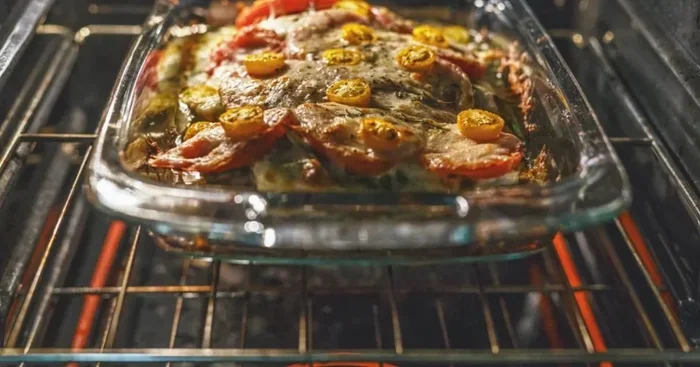
Are Pyrex Oven Safe Everything You Need to Know Today
So, are pyrex oven safe? The short answer is yes, but with important caveats. Pyrex glass bakeware can handle oven temperatures up to 450°F, but sudden temperature changes can cause it to shatter. This guide covers everything you need to know about baking in Pyrex, including temperature limits, safety tips, and how to avoid thermal shock.
You just pulled out your favorite Pyrex dish from the cabinet. It looks perfectly fine. You want to make a delicious casserole for dinner tonight, and this glass bakeware feels like the right choice. But then a tiny voice in the back of your mind asks: are Pyrex oven safe?
It is a question many home cooks ask. And honestly, the answer is not as simple as a yes or no. Pyrex bakeware has been a kitchen staple for decades, but the rules around oven use have changed over the years. Different products handle heat differently. And one wrong move can turn a perfect baking session into a kitchen disaster.
That is exactly why we wrote this guide. We will walk you through everything you need to know about Pyrex oven safety. We will cover temperature limits, what causes breakage, how to care for your glass bakeware, and much more. By the end, you will feel confident using your Pyrex dishes in the oven without worry.
Key Takeaways
- Pyrex is oven safe up to 450°F: Traditional and newer Pyrex dishes can handle moderate oven heat, but always check the label.
- Thermal shock is the biggest danger: Never move Pyrex from a cold fridge to a hot oven or vice versa.
- Not all Pyrex is the same: Older Pyrex and newer Pyrex have different heat tolerances and compositions.
- Preheating matters: Always place Pyrex in a cold oven and let it heat up gradually with the oven.
- Use the right bakeware: Pyrex bowls, casserole dishes, and measuring cups all have different safe uses in the oven.
- Inspect before every use: Check for cracks, chips, or scratches that could weaken the glass.
- Follow manufacturer guidelines: The Pyrex website and product labels provide the most up-to-date safety information.
📑 Table of Contents
- What Is Pyrex and Why Does It Matter?
- Are Pyrex Oven Safe? The Temperature Answer
- Understanding Thermal Shock and Why It Happens
- How to Safely Use Pyrex in the Oven
- Common Mistakes People Make with Pyrex in the Oven
- Pyrex Care and Maintenance Tips
- Comparing Pyrex to Other Oven-Safe Bakeware
- What to Do If Your Pyrex Breaks in the Oven
- Frequently Asked Questions
- Final Thoughts
What Is Pyrex and Why Does It Matter?
Pyrex is a brand of glass bakeware and kitchenware that has been around since 1915. Originally made from borosilicate glass, Pyrex became famous for its durability and resistance to thermal shock. For generations, home cooks trusted their Pyrex glass bakeware to go from oven to table without a problem.
But here is where things get interesting. In 1998, the company changed its manufacturing process. The newer Pyrex products are made from tempered soda-lime glass instead of borosilicate glass. This change affected how the bakeware handles heat. Understanding this difference is key to answering the question: are Pyrex oven safe?
The Old vs. New Pyrex Debate
Many cooking enthusiasts still swear by the older Pyrex products. The original borosilicate glass was more resistant to sudden temperature changes. It could handle thermal shock better than the newer versions. However, the newer tempered glass is still oven safe within certain limits. The key is knowing those limits and following them carefully.
Today, both old and new Pyrex products are still in use. Many people have inherited vintage Pyrex pieces from family members. These older dishes may behave differently in the oven than a brand-new Pyrex casserole dish you bought last month. So always consider the age and type of your Pyrex dishes when planning to use them in the oven.
Are Pyrex Oven Safe? The Temperature Answer
The short answer to are Pyrex oven safe is yes, but only up to a certain temperature. Most modern Pyrex bakeware can handle oven temperatures up to 450°F (232°C). Some sources say 425°F is the safer upper limit. Going beyond these temperatures increases the risk of breakage.
Here is a quick breakdown of what different Pyrex products can handle:
- Pyrex glass bakeware dishes: Safe up to 450°F
- Pyrex bowls: Generally oven safe up to 350°F to 400°F
- Pyrex measuring cups: Not designed for oven use
- Pyrex lids: Not oven safe, even if the dish is
- Vintage Pyrex (pre-1998): Often safe up to 450°F or higher
Always check the bottom of your Pyrex dish for specific temperature guidelines. The manufacturer stamps or prints this information there. If you cannot find it, the Pyrex website is a great resource for Pyrex care instructions.
Can You Put Pyrex in a Preheated Oven?
Yes, but with a caveat. You should always place your Pyrex bakeware in a cold oven and then turn the heat on. Let the dish heat up gradually along with the oven. Placing cold Pyrex into a preheated oven is one of the fastest ways to cause thermal shock and breakage.
The same rule applies when removing Pyrex from the oven. Let it cool on a dry towel or wire rack. Never place a hot Pyrex dish on a cold or wet surface. The sudden temperature change can crack or shatter the glass.
Understanding Thermal Shock and Why It Happens
Thermal shock is the number one enemy of heat resistant glass bakeware. It happens when different parts of the glass expand or contract at different rates due to sudden temperature changes. This creates stress within the material, which can lead to cracks or even shattering.
Think of it like this. When you heat glass, the outer layer expands first. If the inside is still cold, the mismatch causes tension. When that tension exceeds the glass strength, it breaks. This is exactly what happens when you take a Pyrex casserole dish straight from the refrigerator and put it in a hot oven.
Common Thermal Shock Triggers
Here are the most common mistakes that cause thermal shock with Pyrex dishes:
- Moving from fridge to hot oven: The cold glass hits the heat and expands too fast.
- Placing on a wet or cold surface after baking: The hot bottom cools too quickly.
- Using a broiler: The intense direct heat creates uneven expansion.
- Heating an empty Pyrex dish: Without food or liquid to absorb heat, the glass heats unevenly.
- Using it on a stovetop: Direct flame contact causes localized overheating.
Avoiding these mistakes will significantly extend the life of your Pyrex glass bakeware and keep you safe from unexpected breakage.
How to Safely Use Pyrex in the Oven
Using Pyrex in the oven is perfectly safe when you follow the right steps. The key is gradual temperature changes and staying within the recommended heat limits. Here is a step-by-step guide to baking in Pyrex safely.
Step 1: Check for Damage
Before every use, inspect your Pyrex dish carefully. Look for any cracks, chips, or scratches. Even a small chip can weaken the structure of the glass and make it more prone to breaking under heat. If you see any damage, retire the dish from oven use immediately.
Step 2: Add Liquid or Food First
Never heat an empty Pyrex dish in the oven. The glass needs something inside to absorb and distribute heat evenly. Whether you are baking a casserole, roasting vegetables, or making a cake, always add your food or liquid before placing the dish in the oven.
Step 3: Place in a Cold Oven
This is one of the most important bakeware tips to remember. Put your Pyrex bowl or dish into the oven before you turn it on. Then set the temperature and let everything heat up together. This gradual warming prevents thermal shock.
Step 4: Stay Below 450°F
Keep your oven temperature at or below 450°F when using Pyrex bakeware. Some experts recommend staying closer to 425°F for extra safety. If your recipe calls for a higher temperature, consider using a different type of bakeware made for high-heat cooking.
Step 5: Cool Gradually
When your baking is done, remove the Pyrex dish from the oven and place it on a dry, heat-resistant surface. A wooden cutting board or a wire cooling rack works well. Let it cool naturally. Do not rush the process by running it under cold water or placing it on a cold countertop.
Quick Tips for Pyrex Oven Use
- Always use oven mitts when handling hot Pyrex. The glass gets very hot and retains heat long after removing it from the oven.
- Never use the lid in the oven. Pyrex lids are not designed for high heat and can melt or warp.
- If you are reheating leftovers, use a lower temperature (around 325°F) to avoid stressing the glass.
- Do not use Pyrex under a broiler or on a grill. These direct heat sources are too intense for glass bakeware.
Common Mistakes People Make with Pyrex in the Oven
Even experienced cooks make mistakes with Pyrex dishes. Understanding these common errors can help you avoid them and keep your bakeware in great shape for years to come.
Mistake 1: Assuming All Glass Bakeware Is the Same
Not all glass bakeware handles heat the same way. Pyrex is specifically designed for oven use, but other glass dishes from different brands may not be. Always check the manufacturer’s guidelines before putting any glass dish in the oven.
Mistake 2: Ignoring the Temperature Limit
It is tempting to push the limits, especially when you are trying to get a perfect golden crust on a casserole. But exceeding the recommended oven temperature for Pyrex can cause the glass to weaken over time. Eventually, it may fail catastrophically, which is both dangerous and disappointing.
Mistake 3: Using Pyrex on the Stovetop
Pyrex dishes are designed for oven use, not stovetop cooking. The direct flame or electric coil can create hot spots that cause the glass to crack. If you need to simmer a sauce, transfer it to a pot first.
Mistake 4: Skipping the Inspection
A quick look at your Pyrex bakeware before each use takes only a few seconds. But skipping this step can lead to using a compromised dish. A hairline crack may not be visible from the outside but can cause the dish to shatter when heated.
Expert Insights on Pyrex Oven Safety
According to the Pyrex brand itself, their glass bakeware is designed for oven safe use within the recommended temperature range. The company advises against using Pyrex on the stovetop, under a broiler, or in a toaster oven on the broil setting. Their official guidance emphasizes gradual temperature changes as the most important factor in preventing breakage. Many professional chefs recommend having a backup set of metal or ceramic bakeware for recipes that require very high temperatures or broiling.
Pyrex Care and Maintenance Tips
Taking care of your Pyrex dishes goes hand in hand with using them safely in the oven. Proper maintenance not only extends the life of your bakeware but also ensures it stays safe to use every time.
Cleaning Your Pyrex
Wash your Pyrex bakeware with warm soapy water after each use. Avoid abrasive scouring pads that can scratch the glass surface. For stuck-on food, soak the dish in warm water for 15 to 20 minutes before washing. This makes cleaning easier without risking scratches.
Storing Your Pyrex
When storing Pyrex glass bakeware, stack items carefully with a cloth or paper towel between each piece. This prevents scratches that can weaken the glass over time. Store in a cool, dry place away from direct heat sources.
Handling Damage
If your Pyrex dish develops a crack or chip, do not continue using it in the oven. Even small damage can compromise the structural integrity of the glass. The dish may break unexpectedly during cooking, which can be dangerous and ruin your food. Replace damaged Pyrex bakeware promptly.
Comparing Pyrex to Other Oven-Safe Bakeware
Sometimes the best choice depends on what you are cooking and how you are cooking it. Here is a comparison of Pyrex with other common oven-safe materials.
| Material | Max Temperature | Oven Safe? | Thermal Shock Resistant? |
|---|---|---|---|
| Pyrex Glass | 450°F | Yes | Moderate |
| Ceramic Bakeware | 450°F – 500°F | Yes | Low to Moderate |
| Aluminum Foil Pans | 400°F – 450°F | Yes | N/A (metal) |
| Stainless Steel | 500°F+ | Yes | Yes |
| Cast Iron | 500°F+ | Yes | Yes |
As you can see, Pyrex bakeware holds its own among other oven-safe options. It offers the advantage of being non-reactive, which means it will not alter the taste of your food. You can also see what is cooking through the glass, which is a huge plus for monitoring baked goods. However, for recipes that require very high heat or broiling, metal options like stainless steel or cast iron may be a better choice.
What to Do If Your Pyrex Breaks in the Oven
Despite your best efforts, accidents can happen. If your Pyrex dish breaks or shatters while in the oven, follow these safety steps:
- Turn off the oven: Do not open the door immediately if there is a lot of smoke or debris.
- Let it cool: Wait for the oven and the broken dish to cool completely before removing anything.
- Wear gloves: Use thick oven mitts to handle any hot pieces of glass.
- Clean carefully: Use a damp paper towel to pick up small glass fragments. Check the oven floor thoroughly for any remaining shards.
- Inspect the oven: Make sure no glass has gotten into the heating elements or vents before using the oven again.
Most Pyrex products come with a warranty. If your dish breaks under normal use and within the recommended guidelines, you may be eligible for a replacement. Contact the Pyrex customer service team with your purchase details to file a claim.
Frequently Asked Questions
Can Pyrex go from the freezer to the oven?
No, this is one of the most dangerous things you can do with Pyrex bakeware. The sudden temperature change from freezer to hot oven will almost certainly cause thermal shock and breakage. Always let frozen food thaw before transferring it to a Pyrex dish, and then place the dish in a cold oven to heat gradually.
Is vintage Pyrex oven safe?
Yes, most vintage Pyrex products made before 1998 are oven safe and often more heat resistant than newer versions. However, always inspect vintage Pyrex dishes for damage before use. Even if the dish looks fine, old cracks or micro-fractures can cause it to break when heated.
Can you use Pyrex in a convection oven?
Yes, Pyrex glass bakeware is safe to use in a convection oven as long as you stay within the recommended temperature limit of 450°F. The fan in a convection oven circulates hot air evenly, which actually helps reduce the risk of thermal shock compared to a conventional oven.
Why did my Pyrex crack in the oven?
The most common reason is thermal shock. This happens when the glass experiences a sudden temperature change, such as going from a cold countertop to a hot oven, or when a hot dish touches a cold wet surface. Other causes include exceeding the temperature limit, using the dish on a stovetop, or pre-existing damage that weakened the glass.
Are Pyrex lids oven safe?
No, Pyrex lids are not oven safe. They are designed to cover and store Pyrex dishes in the refrigerator or at room temperature. The plastic components in the lids can melt or release harmful chemicals when exposed to high oven temperatures. Always remove the lid before placing a Pyrex dish in the oven.
How long does Pyrex last in the oven?
With proper care and use, a Pyrex dish can last for many years, even decades. The key is avoiding thermal shock, staying within temperature limits, and not using damaged pieces. If you take good care of your Pyrex glass bakeware, it can serve you well for a lifetime of cooking and baking.
Final Thoughts
So, are pyrex oven safe? Absolutely, as long as you treat them with care and respect their limits. Pyrex dishes are a wonderful addition to any kitchen. They are versatile, non-reactive, and let you monitor your food as it cooks. But they are not indestructible. Understanding how heat affects glass and following simple safety guidelines will keep you and your Pyrex bakeware safe for years to come.
The golden rule is simple: treat your Pyrex oven safe glass bakeware with kindness. Avoid sudden temperature changes, stay within the recommended heat range, and always inspect your dishes before use. Follow these bakeware tips and you will enjoy countless meals made in your favorite Pyrex casserole dish without any worries.
Now that you know the answer to are pyrex oven safe, go ahead and use your Pyrex bowls and dishes with confidence. Bake that casserole, roast those vegetables, and make that dessert you have been dreaming about. Just remember to let the glass heat up and cool down gradually, and your heat resistant glass bakeware will reward you with delicious results every time.