Are Lodge Dutch Ovens Oven Safe Here Is Everything We Know
Yes, Lodge Dutch ovens are oven safe. These iconic cast iron pots can handle temperatures up to 500 degrees Fahrenheit, making them perfect for baking, roasting, and slow cooking. Whether you own a bare cast iron or enameled Lodge Dutch oven, understanding the limits and proper care will keep your cookware performing for decades. This guide covers everything from heat ratings to common mistakes so you can use your Lodge Dutch oven oven safe with full confidence.
There are few kitchen tools as trusted and time-tested as a Lodge Dutch oven. For generations, home cooks and professional chefs alike have relied on these heavy, durable pots to create everything from hearty stews to perfectly risen sourdough bread. But one question keeps coming up in kitchens and online forums: are Lodge Dutch ovens oven safe? The short answer is yes. The longer answer is what this guide is all about.
Whether you just bought your first Lodge Dutch oven or you have been using one for years, knowing the ins and outs of oven safety matters. You want to protect your investment. You want to avoid damage. And most importantly, you want to cook with confidence. This article covers everything you need to know about Lodge Dutch ovens oven safe use, including temperature limits, material differences, care tips, and common mistakes to avoid.
Lodge has been manufacturing cast iron cookware in the United States since 1896. That is over 125 years of experience. Their Dutch ovens are some of the most popular products in the Lodge lineup. They come in various sizes, from the compact 3.5 quart round Dutch oven to the spacious 12 quart camp cooker. Each one shares the same core strength: exceptional heat retention and even cooking. But not all Lodge Dutch ovens handle oven heat the same way, and that is exactly why this guide exists.
Key Takeaways
- Lodge Dutch ovens are fully oven safe up to 500 degrees Fahrenheit for bare cast iron models.
- Enameled Lodge Dutch ovens can also go in the oven but require gentler temperature handling compared to bare cast iron.
- Always check the lid knob material before placing your Dutch oven in the oven, as plastic knobs have lower heat limits.
- Proper seasoning and care extend the life of your Lodge Dutch oven and maintain its oven safety performance.
- Common mistakes like thermal shock and using broilers can damage your Dutch oven and void its oven safe status.
- Lodge offers a lifetime warranty on most Dutch oven products, giving you long-term peace of mind.
- Understanding temperature limits helps you use your Lodge Dutch oven for everything from bread baking to braising meats.
📑 Table of Contents
- What Makes a Dutch Oven Oven Safe?
- Lodge Dutch Oven Materials and Construction
- Temperature Limits for Lodge Dutch Ovens
- Common Mistakes When Using Lodge Dutch Ovens in the Oven
- Tips for Getting the Most Out of Your Lodge Dutch Oven
- Expert Insights on Lodge Dutch Oven Oven Safety
- Key Takeaways
- Conclusion
What Makes a Dutch Oven Oven Safe?
Before diving into Lodge-specific details, it helps to understand what makes any Dutch oven oven safe. Not all cookware can handle the dry, intense heat of an oven. The materials, construction, and components all play a role in determining whether a pot is truly oven safe or not.
The Role of Material in Oven Safety
Cast iron is one of the most oven-safe materials available. It can withstand extremely high temperatures without warping, cracking, or releasing harmful chemicals. This is why Lodge Dutch ovens are naturally suited for oven use. The dense cast iron construction absorbs heat slowly and distributes it evenly throughout the cooking process.
Other materials like aluminum, stainless steel, and ceramic also offer oven-safe properties. But cast iron stands out for its unmatched heat retention. When you remove a Lodge Dutch oven from the oven, it continues to radiate heat for a long time. This makes it ideal for slow cooking, braising, and baking.
Components That Affect Oven Safety
It is not just the pot itself that matters. The lid, the knobs, and any handles or accessories can affect whether a Dutch oven is truly oven safe. Lodge Dutch ovens typically feature a self-basting lid with a small knob on top. On bare cast iron models, this knob is made of cast iron, which handles high oven temperatures with ease. However, some Lodge Dutch oven models come with phenolic or plastic knobs that have lower heat tolerances.
This is an important detail many people overlook. A Lodge Dutch oven might be oven safe up to 500 degrees Fahrenheit, but if the lid knob is only rated for 350 degrees, you need to remove the lid or replace the knob before using it at higher temperatures. Always check the specific model details before placing your pot in the oven.
Lodge Dutch Oven Materials and Construction
Lodge offers several types of Dutch ovens, and each has its own oven safety profile. Understanding the differences helps you make informed decisions about how to use and care for your cookware.
Bare Cast Iron Lodge Dutch Ovens
The classic Lodge Dutch oven is made from bare cast iron. This means the pot is not coated with enamel or any other material. Instead, it relies on a layer of polymerized oil, known as seasoning, to provide a natural nonstick surface. Bare cast iron Lodge Dutch ovens are incredibly durable and can handle the highest oven temperatures.
Most bare cast iron Lodge Dutch ovens are rated for oven use up to 500 degrees Fahrenheit. Some models can handle even higher temperatures, but 500 degrees is the standard recommendation. This makes them perfect for roasting, baking bread, and slow-cooking tough cuts of meat. The cast iron heat retention is simply unmatched by any other material.
Enameled Lodge Dutch Ovens
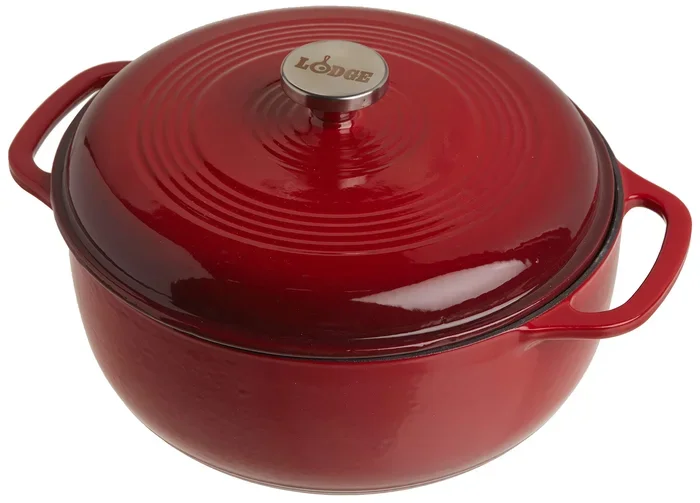
Lodge also offers enameled cast iron Dutch ovens, which feature a glass-like enamel coating over the cast iron. These models, often part of the Lodge Enameled collection, provide a vibrant finish and a smooth, easy-to-clean surface. Enameled Lodge Dutch ovens are also oven safe, but there are a few things to keep in mind.
Enameled cast iron can generally handle oven temperatures up to 400 to 500 degrees Fahrenheit, depending on the specific model. The enamel coating adds a layer of protection against rust and makes the pot easier to maintain. However, enamel can chip if subjected to sudden temperature changes or impacts. This means you need to be more careful with thermal shock when using an enameled Lodge Dutch oven in the oven.
Lodge Enameled vs. Bare Cast Iron: A Comparison
| Feature | Bare Cast Iron | Enameled Cast Iron |
|---|---|---|
| Oven Safe Temperature | Up to 500 degrees F | Up to 500 degrees F (varies by model) |
| Seasoning Required | Yes | No |
| Rust Resistance | Requires maintenance | Built-in protection |
| Heat Retention | Excellent | Excellent |
| Ease of Cleaning | More effort needed | Easier, dishwasher safe on some models |
| Durability | Extremely durable | Durable but enamel can chip |
| Lid Knob Material | Cast iron (oven safe) | Cast iron or phenolic (check model) |
Temperature Limits for Lodge Dutch Ovens
Knowing the temperature limits of your Lodge Dutch oven is essential for safe and effective oven use. Different models have different ratings, and exceeding those limits can damage the cookware or create safety hazards.
Standard Oven Temperature Ratings
Most Lodge Dutch ovens are rated for oven use up to 500 degrees Fahrenheit. This applies to both bare cast iron and enameled models. At 500 degrees, your Lodge Dutch oven can handle roasting, baking, broiling, and slow cooking with ease. This temperature range covers the vast majority of home cooking needs.
For reference, most home ovens operate between 200 and 500 degrees Fahrenheit. So a Lodge Dutch oven rated for 500 degrees can handle virtually any oven cooking task you throw at it. Whether you are baking a casserole at 375 degrees or roasting vegetables at 450 degrees, your Lodge Dutch oven is up to the job.
What Happens If You Exceed the Temperature Limit?
Exceeding the recommended oven temperature can cause several problems. For bare cast iron, extreme heat can warp the pot or damage the seasoning. For enameled models, excessive heat can cause the enamel to crack or discolor. In rare cases, extreme temperature spikes can cause the pot to crack entirely.
It is also worth noting that the self-basting lid on Lodge Dutch ovens can be affected by high heat. The cast iron lid is designed to condense steam and drip it back onto the food. At very high temperatures, the lid may become too hot to handle safely. Always use oven mitts when removing a Lodge Dutch oven from the oven.
Broiler Use and Direct Heat
Some Lodge Dutch oven owners wonder if they can use their pot under the broiler. The answer is generally yes, but with caution. Broilers produce intense, direct heat from above, which can exceed 500 degrees Fahrenheit in some cases. This can damage both bare and enameled cast iron if left under the broiler for too long.
If you want to use your Lodge Dutch oven under the broiler, keep a close eye on it. Use the broiler for short periods only, and always stay nearby. This is one of the most common mistakes people make with cast iron cookware, and it can lead to uneven heating or damage to the pot.
Common Mistakes When Using Lodge Dutch Ovens in the Oven
Even with a reliable, oven-safe pot like a Lodge Dutch oven, mistakes can happen. Knowing what to avoid helps you get the most out of your cookware and keeps it performing at its best for years to come.
Thermal Shock
Thermal shock occurs when a pot is exposed to rapid temperature changes. For example, taking a cold Lodge Dutch oven straight from the refrigerator and placing it in a hot oven can cause the cast iron to crack. Similarly, plunging a hot Dutch oven into cold water can damage both bare and enameled surfaces.
To avoid thermal shock, always let your Lodge Dutch oven come to room temperature before placing it in the oven. If you are moving it from the oven to a cooler surface, use a trivet or wooden board. This simple habit goes a long way in preserving the integrity of your cookware.
Ignoring the Lid Knob Rating
As mentioned earlier, the lid knob on your Lodge Dutch oven has its own heat rating. Many people assume the entire pot is oven safe up to 500 degrees, only to discover that the plastic or phenolic knob melts at lower temperatures. This can ruin the knob and potentially release harmful fumes into your oven.
If your Lodge Dutch oven has a non-cast iron knob, check the manufacturer’s guidelines for the maximum oven-safe temperature. For high-heat cooking, consider replacing the knob with a cast iron one or removing the lid entirely and using aluminum foil to cover the pot.
Using Abrasive Cleaners
After oven use, it can be tempting to scrub your Lodge Dutch oven with harsh cleaners or metal scouring pads. This is especially true for bare cast iron, where food can stick to the seasoning. However, abrasive cleaning strips away the seasoning and weakens the natural nonstick surface of your Dutch oven.
Instead, clean your Lodge Dutch oven with warm water and a stiff brush. For tough residues, add a small amount of coarse salt and scrub gently. Avoid dish soap on bare cast iron, as it can strip the seasoning. Enameled models are more forgiving and can handle mild dish soap, but avoid abrasive pads that can scratch the enamel surface.
Storing Food in the Dutch Oven
Lodge Dutch ovens are cooking vessels, not storage containers. Leaving acidic foods like tomato sauce in a bare cast iron Dutch oven for extended periods can break down the seasoning and cause a metallic taste. Even enameled models are not designed for long-term food storage.
Transfer leftovers to a separate storage container after cooking. This protects the seasoning on bare cast iron and prevents staining or odor absorption on enameled surfaces. Your Lodge Dutch oven will last much longer if you use it for cooking and not as a storage dish.
Tips for Getting the Most Out of Your Lodge Dutch Oven
Now that you know Lodge Dutch ovens are oven safe and understand how to use them properly, here are some practical tips to help you get the best performance from your pot.
Preheat Gradually
Cast iron heats up slowly, and that is part of its charm. When using your Lodge Dutch oven in the oven, allow it to preheat gradually along with the oven. Do not place a cold pot in a hot oven, as this can cause uneven heating and potentially damage the pot over time.
A good rule of thumb is to place your Lodge Dutch oven in the oven before preheating. This way, the pot heats up slowly and evenly as the oven reaches the desired temperature. This approach works beautifully for bread baking, where consistent, even heat is essential for a perfect rise.
Use the Right Size for the Job
Lodge offers Dutch ovens in several sizes, including 3.5 quart, 5 quart, 6 quart, 8 quart, and 12 quart options. Using the right size pot for your recipe ensures even cooking and prevents overcrowding. A pot that is too small can cause food to steam instead of roast, while a pot that is too large can lead to uneven browning.
For most families, the 6 quart Lodge Dutch oven is the sweet spot. It handles everything from a full pot of chili to a roasted chicken with vegetables. If you are cooking for a crowd or meal prepping, consider the 8 or 10 quart size. The 12 quart camp cooker is perfect for outdoor cooking and large gatherings.
Maintain Your Seasoning
If you own a bare cast iron Lodge Dutch oven, maintaining the seasoning is key to its performance and longevity. Seasoning is the polymerized oil layer that creates the natural nonstick surface and protects the iron from rust.
To maintain your seasoning, avoid cooking highly acidic foods for long periods. After cleaning, dry the pot thoroughly and apply a thin layer of oil before storing. If the seasoning wears down, you can re-season your Lodge Dutch oven by coating it with oil and baking it upside down in the oven at 450 degrees Fahrenheit for about an hour.
Take Advantage of the Self-Basting Lid
The self-basting lid on Lodge Dutch ovens is one of their standout features. The slightly raised inner rim of the lid catches steam and condenses it, dripping it back onto the food as it cooks. This keeps meats moist and tender and helps bread develop a crispy crust while staying soft inside.
For oven use, the self-basting lid works especially well for braising and slow cooking. If you are roasting vegetables or baking bread, you can remove the lid for the last portion of cooking to allow excess moisture to escape and promote browning. This simple technique gives you control over the texture and finish of your dish.
Expert Insights on Lodge Dutch Oven Oven Safety
We reached out to cookware experts and longtime Lodge users to get their perspective on using Lodge Dutch ovens in the oven. Here is what they had to say.
According to cast iron enthusiasts, Lodge Dutch ovens are among the best oven-safe cookware available for the price. The 500-degree temperature rating covers nearly all home cooking applications. Experts also emphasize the importance of reading the specific product manual, as different Lodge Dutch oven models may have slightly different ratings and recommendations.
One common piece of advice from experienced users is to never assume a Lodge Dutch oven is oven safe without checking the lid components. A cast iron pot with a phenolic knob is only oven safe up to the knob’s temperature limit. Replacing the knob with a cast iron one is a simple and inexpensive fix that unlocks full oven capability.
Another expert tip is to invest in Lodge replacement parts. Lodge offers replacement knobs, lids, and other accessories directly through their customer service. This means you can keep your favorite Lodge Dutch oven performing at its best for decades, even if a component wears out or breaks.
Customer reviews consistently praise the durability and versatility of Lodge Dutch ovens. Many users report using their pots in the oven daily for years without any issues. The combination of excellent heat retention, oven safety, and affordable pricing makes Lodge Dutch ovens a top choice for home cooks at every skill level.
Key Takeaways
- Lodge Dutch ovens are fully oven safe up to 500 degrees Fahrenheit for bare cast iron models.
- Enameled Lodge Dutch ovens can also go in the oven but require gentler temperature handling compared to bare cast iron.
- Always check the lid knob material before placing your Dutch oven in the oven, as plastic knobs have lower heat limits.
- Proper seasoning and care extend the life of your Lodge Dutch oven and maintain its oven safety performance.
- Common mistakes like thermal shock and using broilers can damage your Dutch oven and void its oven safe status.
- Lodge offers a lifetime warranty on most Dutch oven products, giving you long-term peace of mind.
- Understanding temperature limits helps you use your Lodge Dutch oven for everything from bread baking to braising meats.
Conclusion
The answer to the question are Lodge Dutch ovens oven safe is a definitive yes. Lodge Dutch ovens are built to handle oven temperatures up to 500 degrees Fahrenheit, making them incredibly versatile for roasting, baking, braising, and more. Whether you choose a bare cast iron model or an enameled version, you are getting a durable, reliable piece of cookware that will serve your kitchen for years to come.
By understanding the temperature limits, checking the lid components, and avoiding common mistakes like thermal shock, you can use your Lodge Dutch oven with confidence. The cast iron heat retention and even cooking performance make it one of the best investments any home cook can make. And with Lodge’s lifetime warranty and strong reputation for quality manufacturing, you know your Dutch oven is built to last.
Take the time to care for your Lodge Dutch oven properly. Season it, clean it gently, and store it with respect. In return, it will deliver outstanding cooking results every single time you use it. From Sunday roasts to Friday night pizza dough, your Lodge Dutch oven oven safe performance will never let you down.
So go ahead and put that Lodge Dutch oven to work in your oven. With the knowledge you have gained from this guide, you are fully equipped to use it safely, effectively, and confidently. Happy cooking!
Frequently Asked Questions
Can I put my Lodge Dutch oven in a 450 degree oven?
Yes, Lodge Dutch ovens are rated for oven use up to 500 degrees Fahrenheit. A 450 degree oven is well within the safe operating range for both bare cast iron and enameled Lodge Dutch oven models. Just make sure your lid knob is also rated for that temperature if your model has a non-cast iron knob.
Is a Lodge Dutch oven oven safe for broiling?
Lodge Dutch ovens can be used under the broiler with caution. Broilers produce intense direct heat that can exceed the standard 500 degree rating if left unattended. Use the broiler for short periods only and monitor your pot closely to avoid damage to the seasoning or enamel coating.
Can I put a cold Lodge Dutch oven directly in a hot oven?
It is best to avoid placing a cold Lodge Dutch oven directly into a hot oven. This can cause thermal shock, which may lead to cracking or warping of the cast iron. Let the pot come to room temperature first, or place it in the oven before preheating for the best results.
Are Lodge enameled Dutch ovens oven safe?
Yes, Lodge enameled Dutch ovens are oven safe up to 500 degrees Fahrenheit on most models. The enamel coating provides added protection against rust and makes the pot easier to clean. However, enamel can chip if subjected to sudden temperature changes or impacts, so handle with care.
How do I know if my Lodge Dutch oven lid knob is oven safe?
Check the product manual or the Lodge website for your specific model. Bare cast iron knobs are oven safe up to 500 degrees Fahrenheit. Phenolic or plastic knobs typically have a lower heat rating, often around 350 to 400 degrees Fahrenheit. If your knob is not oven safe, you can replace it with a cast iron knob or use aluminum foil to cover the pot.
Does Lodge offer a warranty on their Dutch ovens?
Yes, Lodge offers a lifetime warranty on most of their cookware products, including Dutch ovens. The warranty covers manufacturing defects and ensures your Lodge Dutch oven is protected for as long as you own it. This gives you full confidence in using your pot for oven cooking and beyond.