How To Cook 15 Lb Prime Rib In The Oven Step By Step
Cooking a 15 lb prime rib in the oven is easier than you think. This step by step guide shows you how to prep, season, and roast your prime rib to perfection. You will learn the ideal oven temperature, cooking time, and how to get a beautiful crust every single time.
There is nothing quite like a perfectly cooked prime rib roast sitting on your holiday table. A 15 lb prime rib is a showstopper. It feeds a crowd, looks impressive, and tastes absolutely incredible. But many home cooks feel nervous about tackling such a large cut of beef. The good news is that cooking prime rib in the oven is simpler than most people think.
In this guide, we walk you through every single step. From selecting the right roast at the butcher counter to slicing it for your guests, we have you covered. Whether you are a beginner or a seasoned home cook, you will find practical tips here that make the process smooth and stress free. Let us get started on your journey to the perfect oven roasted prime rib.
Key Takeaways
- Low and slow cooking is the secret to a juicy 15 lb prime rib roast.
- Let your prime rib come to room temperature before it goes in the oven.
- Aim for an internal temp of 130 to 135°F for a perfect medium rare result.
- Rest your roast for at least 30 minutes before carving to keep the juices inside.
- Season simply with salt, pepper, and garlic for the best flavor on your standing rib roast.
- Use a meat thermometer to track the prime rib internal temp accurately throughout cooking.
- Plan for about 4 to 5 hours of total cook time for a 15 lb bone in prime rib.
📑 Table of Contents
What You Need to Know Before You Start
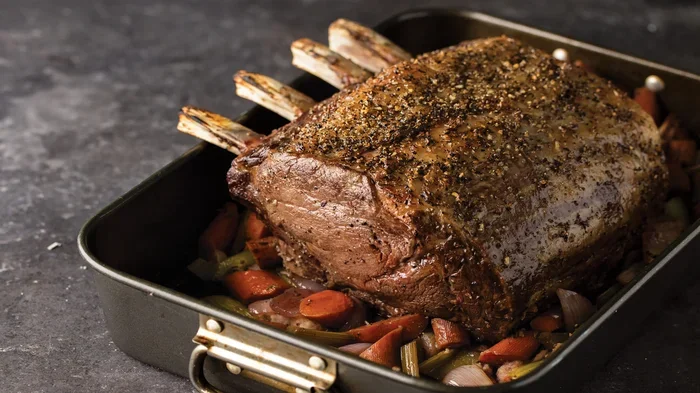
A 15 lb prime rib is a serious piece of meat. Also called a standing rib roast, this cut comes from the primal rib section of the beef. It usually includes between three and seven ribs. The bone in version is especially popular because the bones add flavor during the cooking process. Understanding your cut is the first step toward a great result.
Before you do anything else, plan ahead. A 15 lb roast needs time to come to room temperature. It also needs time to rest after cooking. A good rule of thumb is to start planning at least a day before you want to serve it. This gives you plenty of time to brine or dry brine the roast if you choose to do so.
Choosing the Right Prime Rib Roast
Not all prime ribs are created equal. When you are shopping for a 15 lb roast, look for good marbling. Marbling is the thin white streaks of fat running through the meat. More marbling means more flavor and more juiciness. Ask your butcher for a USDA choice or USDA prime grade rib roast.
Here are a few things to keep in mind when selecting your beef roast:
- Bone in vs boneless: Bone in prime rib has more flavor but can be harder to slice evenly.
- Grade matters: Prime grade has the most marbling. Choice grade is also excellent and more affordable.
- Check the weight: A 15 lb roast is a large cut. Make sure it fits in your oven with some room for air circulation.
- Fresh vs frozen: Fresh is always better. If using frozen, thaw it completely in the refrigerator for at least 48 hours.
How To Prep Your Prime Rib for the Oven
Prepping your prime rib roast properly sets the stage for success. This step takes about 30 minutes plus overnight drying time if you are dry brining. Do not skip this part. Proper prep makes a huge difference in the final result.
Dry Brining Your Roast
Dry brining is the process of salting your roast well in advance. This draws moisture out of the meat, then the meat reabsorbs it along with the salt. The result is a more seasoned and juicier roast. To dry brine, simply pat your prime rib dry with paper towels. Then rub a generous amount of kosher salt all over the surface.
Place the roast uncovered on a wire rack set over a sheet pan. Put it in the refrigerator overnight or for at least 8 hours. The dry surface helps create an incredible crust during roasting. This is one of the best kept secrets among experienced cooks who love oven roasted prime rib.
Seasoning Your Prime Rib
When it comes to seasoning a standing rib roast, less is more. You want the natural beef flavor to shine. Here is a simple and effective seasoning approach:
- Kosher salt: The foundation of great seasoning. Use about 1 teaspoon per pound of meat.
- Black pepper: Freshly ground black pepper adds a gentle heat that complements the beef.
- Garlic powder: A light dusting adds depth without overpowering the meat.
- Fresh rosemary or thyme: Optional, but these herbs pair beautifully with prime rib.
Remove your roast from the refrigerator about 2 hours before cooking. This allows it to come closer to room temperature. A roast that starts at room temperature cooks more evenly. This is one of the most important prime rib tips you will ever learn.
The Best Oven Temperature for Prime Rib
Getting the oven temperature right is critical when you are cooking a large roast. The goal is to cook the prime rib low and slow. This gentle approach ensures the meat stays moist and tender throughout. High heat at the beginning can help create a nice sear, but the bulk of the cooking should be at a moderate temperature.
Why Low and Slow Works
When you cook prime rib at a lower temperature, the heat has time to penetrate the roast evenly. This reduces the risk of a dark outer crust with a raw center. Low and slow cooking also gives the connective tissues in the beef time to break down gently. The result is a roast that is tender and juicy from edge to edge.
Most experts recommend starting at a higher temperature for the first 15 to 20 minutes to kickstart the Maillard reaction. This is the chemical process that creates that beautiful brown crust. Then you lower the temperature and let the roast cook gently until it reaches the target prime rib internal temp.
Recommended Oven Settings
Here is a simple temperature guide for your 15 lb prime rib roast:
- Initial sear: 450°F for 15 to 20 minutes to develop a crust.
- Main cook: Reduce to 325°F and continue roasting until done.
- Target internal temperature: 130 to 135°F for medium rare.
- Total estimated cook time: About 15 to 17 minutes per pound at 325°F after the initial sear.
For a 15 lb roast, this means roughly 3.5 to 4 hours of cooking at 325°F after the initial sear. Plan for about 4.5 to 5 hours total from start to finish. Every oven is different, so use a meat thermometer and trust the numbers more than the clock.
Step by Step Cooking Process
Now it is time to put everything together. This is the part where the magic happens. Follow these steps carefully, and you will have a stunning prime rib roast that will have everyone asking for seconds.
Step 1: Position the Roast in the Oven
Place your seasoned prime rib roast fat side up on a rack in a roasting pan. The rack allows hot air to circulate around the roast evenly. If you do not have a rack, you can use chopped onions or carrots beneath the roast to lift it up. Pour about one cup of water into the bottom of the pan. This helps keep the oven environment humid and prevents drippings from burning.
Step 2: Start With a Hot Oven
Preheat your oven to 450°F. Once it is fully heated, place the roast inside. The high heat immediately begins forming a flavorful crust on the outside of the beef roast. This initial blast of heat is what gives your prime rib that gorgeous brown color and rich aroma.
Step 3: Reduce the Temperature
After 15 to 20 minutes at 450°F, reduce the oven temperature to 325°F. Do not open the oven door too often during this phase. Every time you open the door, heat escapes and your cook time increases. Close the door and let the roast do its work.
Step 4: Monitor the Internal Temperature
This is the most important step. Insert a probe thermometer into the thickest part of the roast, making sure it does not touch the bone. The bone conducts heat differently than the meat, and touching it can give you a false reading. Check the temperature every 30 minutes or so.
Here is a helpful temperature guide for your standing rib roast:
- 120°F: Rare. Remove from oven and it will rise to about 130°F while resting.
- 130°F: Medium rare. This is the sweet spot for most prime rib lovers.
- 140°F: Medium. Still good but slightly less juicy.
- 150°F and above: Well done. Not recommended for prime rib as it can become dry.
For a perfect medium rare 15 lb prime rib, pull it out of the oven when the internal temp hits 125 to 130°F. Remember, the temperature will continue to rise by about 5 to 10 degrees after you take it out. This is called carryover cooking, and it is an essential concept in prime rib cooking.
Step 5: Let the Roast Rest
Once your roast reaches the target temperature, take it out of the oven. Tent it loosely with aluminum foil and let it rest for at least 30 minutes. Some cooks rest it for up to 45 minutes. This resting period is not optional. It allows the juices to redistribute throughout the meat. If you skip this step, the juices will run all over your cutting board instead of staying in the roast.
How To Carve and Serve Your Prime Rib
Carving a prime rib roast is an art form. Done right, each slice is a perfect portion of juicy, flavorful beef. Done wrong, you can end up with dry slices and wasted meat. Follow these carving tips to serve your roast like a pro.
Which Way to Cut
Always carve against the grain. The grain is the direction of the muscle fibers in the meat. Cutting against it shortens those fibers and makes each bite much more tender. If you are unsure which way the grain runs, look closely at the meat surface and you will see the lines. Cut perpendicular to them.
When carving a bone in prime rib, start by slicing along the bone to separate the ribs from the roast. Then slice the meat into even pieces about 3/4 inch thick. For a boneless roast, simply slice straight across the roast at the same thickness.
Serving Suggestions
Prime rib is rich and flavorful on its own. You do not need to overcomplicate your sides. Here are some classic pairings:
- Mashed potatoes: The creamy texture pairs perfectly with the rich beef.
- Roasted vegetables: Carrots, parsnips, and Brussels sprouts are all excellent choices.
- Beef jus: Use the pan drippings to make a simple and delicious gravy.
- Horseradish cream: A classic accompaniment that adds a nice kick.
Set out the slicing board and let your guests serve themselves. A bone in prime rib roast is a beautiful centerpiece that makes any meal feel special.
Common Mistakes To Avoid When Cooking Prime Rib
Even experienced cooks can make mistakes when preparing a large roast. Knowing what to avoid saves you time, money, and a lot of frustration. Here are the most common pitfalls and how to steer clear of them.
Skipping the Resting Period
This is the number one mistake people make. Cutting into your roast immediately after it comes out of the oven releases all those hard earned juices onto the cutting board. Your roast will be drier and less flavorful as a result. Be patient and let it rest for at least 30 minutes.
Overcooking the Roast
Prime rib is best when cooked to medium rare or medium. Overcooking turns a potentially amazing roast into dry, tough meat. The best way to prevent this is to use a reliable meat thermometer and pull the roast early. Carryover cooking will bring the temperature up to the right level during the resting period.
Not Seasoning Enough
A 15 lb roast needs a generous amount of salt. Many home cooks are too timid with their seasoning. Remember, the salt is mostly on the surface and will not all end up inside the meat. Be bold with your kosher salt. You can always reduce seasoning next time, but you cannot add it back once the roast is cooked.
Opening the Oven Door Too Often
Every time you open the oven door, the temperature drops significantly. This can add 15 to 30 minutes to your total cook time and lead to uneven cooking. Trust the process and resist the urge to peek. Use the oven light to check on your roast whenever possible.
Expert Tips for the Perfect Prime Rib Every Time
Here are some bonus tips from experienced cooks and chefs that take your prime rib to the next level:
- Use a wire rack: It promotes even cooking and prevents the bottom from getting soggy.
- Save the bones: After carving, simmer the bones into a rich bone broth for future soups and stews.
- Let the roast sit at room temperature: Taking the chill off before cooking leads to more even results.
- Invest in a good probe thermometer: This is the single best tool for cooking any large roast to perfection.
- Pat the roast dry before seasoning: A dry surface is the key to a deep brown crust.
- Plan your timing carefully: A 15 lb roast takes several hours. Start early so you are not rushed.
Cooking a 15 lb prime rib in the oven is one of the most rewarding things you can do in the kitchen. It is a centerpiece dish that brings people together. With the right preparation, temperature control, and patience, you can serve a prime rib roast that rivals any steakhouse. The key is to take your time, use a meat thermometer, and resist the urge to overcook the roast.
Remember that practice makes perfect. Your first prime rib may not be flawless, and that is okay. Each time you cook, you will learn more about how your oven behaves and how your roast responds. Before long, cooking a standing rib roast will feel second nature to you. So go ahead, invite your family and friends, and enjoy the process of creating something truly special in your own kitchen.
The beauty of oven roasted prime rib is that it is forgiving. Even if you are a few degrees off on the temperature, the result will still be delicious. Prime rib has a lot of natural flavor and fat that keeps it moist. So relax, follow these steps, and trust yourself. You have got this.
Now that you know how to cook 15 lb prime rib in the oven, it is time to put this knowledge into action. Head to your local butcher, pick out a beautiful bone in prime rib roast, and start your journey toward the perfect holiday meal or weekend dinner. Your family and guests will thank you. And you will feel proud knowing you created something extraordinary from start to finish.
Frequently Asked Questions
How long does it take to cook a 15 lb prime rib in the oven?
At 325°F, a 15 lb prime rib roast takes about 3.5 to 4 hours after the initial sear. Total cook time including the sear phase is roughly 4.5 to 5 hours. Always use a meat thermometer to check doneness rather than relying solely on the clock.
What is the best internal temperature for prime rib?
For medium rare prime rib, pull the roast when the internal temperature reaches 125 to 130°F. The temperature will rise by 5 to 10 degrees during resting, bringing it to the ideal 130 to 135°F range. This is the sweet spot for a juicy and tender result.
Should I cook prime rib covered or uncovered?
Cook your prime rib roast uncovered for the entire cooking process. This allows the surface to dry out slightly, which is essential for developing a deep brown crust. Covering the roast traps moisture and prevents the crust from forming properly.
Do I need to sear the prime rib before roasting?
Searing at 450°F for the first 15 to 20 minutes is highly recommended. This step creates a flavorful crust through the Maillard reaction. After searing, reduce the oven temperature to 325°F and continue roasting until the desired internal temp is reached.
How do I store leftover prime rib?
Let leftover prime rib cool completely, then wrap it tightly in plastic wrap or foil and refrigerate. It will keep for up to 4 days in the fridge. Reheat slices gently in the oven at 325°F for about 15 minutes to keep them moist and flavorful.
Can I cook a 15 lb prime rib on a gas grill instead?
Yes, you can cook prime rib on a gas grill using indirect heat. Set up your grill for two zone cooking with one side on medium heat at about 325°F and the other side off. Place the roast on the cooler side and close the lid. Monitor the internal temperature just as you would in the oven.
=== CONCLUSION ===
Cooking a 15 lb prime rib in the oven is a rewarding experience that anyone can master with the right approach. From selecting the best bone in prime rib at the butcher shop to pulling it out of the oven at the perfect internal temp, every step matters. Follow the low and slow method, season generously but simply, and always let your roast rest before carving.
The standing rib roast is one of the most impressive cuts of beef you can prepare at home. It feeds a crowd, looks stunning on the table, and delivers incredible flavor with every slice. Use this step by step guide as your roadmap, and you will serve a prime rib roast that your family and friends will talk about for weeks.
Remember, the key to a perfect prime rib is patience and a good meat thermometer. Trust the process, keep an eye on that internal temp, and enjoy the journey. Whether it is a holiday celebration or a special weekend dinner, your oven roasted prime rib will be the star of the show. Happy cooking!