How To Cook Frozen Sausage Links In The Oven Perfectly
Cooking frozen sausage links in the oven is the easiest way to get perfectly crispy, juicy links without thawing. This guide shows you the exact temperature, time, and tips for oven-baked sausage links that turn out golden every time. You’ll learn how to go from frozen to fork-ready in under 40 minutes.
There’s nothing quite like the smell of crispy sausage links filling your kitchen. Whether you’re making breakfast for the whole family or planning a simple dinner, sausage links are a go-to choice. But what happens when you forget to take them out of the freezer? You might think you need to wait hours for them to thaw. The truth is, you can cook frozen sausage links in the oven directly from the freezer, and the results are just as good.
Many people worry that cooking sausage from frozen will lead to uneven browning or a rubbery texture. That’s a common myth. With the right temperature and a little patience, you’ll get oven-baked sausage links that are golden on the outside and juicy on the inside. This guide will walk you through the entire process, from prep to plate.
By the time you finish reading, you’ll know exactly how to cook frozen sausage links in the oven perfectly every single time. You’ll learn the ideal oven temperature, the best baking time, and a few tricks that make cleanup a breeze. Let’s dive in.
Key Takeaways
- Cook from frozen: No need to thaw; you can place frozen sausage links directly in the oven.
- 400°F is the sweet spot: This temperature ensures even cooking and a crispy exterior.
- Bake for 25–35 minutes: Timing depends on thickness; flip halfway for even browning.
- Use parchment or foil: Both make cleanup easy and prevent sticking.
- Check internal temp: The sausage is done when it reaches 160°F internally.
- Rest before serving: Let the links rest for 3–5 minutes to keep juices inside.
- Avoid overcrowding: Give each link space for air to circulate and crisp evenly.
📑 Table of Contents
- Why Cooking Frozen Sausage Links in the Oven Works
- The Essential Tools and Ingredients
- How To Cook Frozen Sausage Links In The Oven: A Simple Step-by-Step Guide
- Pro Tips for Perfectly Crispy Sausage Links
- Common Mistakes to Avoid When Baking Sausage Links
- How to Tell When Your Sausage Links Are Done
- Variations and Serving Ideas for Oven-Baked Sausage Links
- Conclusion: Mastering How To Cook Frozen Sausage Links In The Oven
Why Cooking Frozen Sausage Links in the Oven Works
Using your oven to bake frozen sausage links is one of the simplest methods you can choose. The oven surrounds the food with consistent heat, which is exactly what you need for even cooking. When you cook frozen sausage links in the oven, the heat gradually penetrates the frozen center while the outside browns beautifully.
Unlike a stovetop, where you might burn the outside before the inside thaws, the oven allows for a more gentle and even process. This is especially true if you use a moderate temperature like 400°F. The oven’s dry heat also helps create that satisfying snap on the casing, which we all love in a good sausage link.
If you’ve ever tried to thaw sausage links on the counter, you know it can take a long time. The oven method skips that step entirely. You go from freezer to oven, saving yourself 30 minutes or more of waiting. This makes cooking sausage links from frozen a real time-saver on busy mornings.
No Thawing Required
When you skip the thawing step, you save time and reduce the risk of bacteria growth that can happen when meat sits at room temperature. The oven’s heat quickly brings the sausage through the safe temperature zone. This is a major advantage of baking frozen sausage directly.
Even Heat Distribution
Ovens circulate hot air around the food. This means every part of the sausage link gets exposed to the same amount of heat. You won’t have one side burnt and the other still frozen. The result is evenly cooked sausage with a consistent texture from edge to center.
The Essential Tools and Ingredients
Before you start, gather a few simple items. You don’t need any fancy equipment to bake frozen sausage in the oven. Here’s what you’ll need:
- Oven-safe baking sheet or pan – A rimmed sheet pan works perfectly.
- Parchment paper or aluminum foil – Both make cleanup easier. We’ll compare them in a moment.
- Tongs – For flipping the sausage links halfway through.
- A meat thermometer – This is the only reliable way to know your sausage is fully cooked.
- Your frozen sausage links – Pork, chicken, or plant-based, any type works.
When choosing your sausage links, look for ones that are solidly frozen. If they are stuck together, you can separate them after a quick run under cold water. This prevents them from clumping on the pan. You can use breakfast sausage links, pork sausage links, or even grilling sausage links as an alternative to the grill. All of these will work well in the oven.
Foil vs Parchment: Which Is Better for Baking Sausage Links?
Both foil and parchment have their perks. Foil is sturdy and can handle higher temperatures, but it can cause the bottom of the sausage to steam if you wrap the links tightly. Parchment paper is naturally non-stick and promotes airflow, which helps the bottoms crisp up. For the best oven-baked sausage links, parchment paper is usually the better choice.
| Material | Pros | Cons |
|---|---|---|
| Parchment Paper | Non-stick, promotes crispiness, easy cleanup | Can brown slightly at edges |
| Aluminum Foil | Very sturdy, reusable, reflects heat | Can trap steam, making bottoms soggy |
How To Cook Frozen Sausage Links In The Oven: A Simple Step-by-Step Guide
Now that you have your tools ready, let’s get into the actual cooking process. Follow these steps for perfect oven-baked sausage links every time.
- Preheat Your Oven to 400°F. A hot oven is essential. It quickly sears the outside of the sausage, locking in juices. While the oven heats, line your baking sheet with parchment paper or foil.
- Arrange the Frozen Sausage Links on the Pan. Place the links on the prepared sheet with space between each one. You want at least half an inch of gap. This allows hot air to flow around every link, ensuring they cook evenly. If your links are touching, they will steam instead of crisp.
- Bake for 25–35 Minutes. The exact time depends on the thickness of the sausage. Standard breakfast links usually need about 25–30 minutes. Thicker links or those with a casings might need up to 35 minutes. Set a timer so you don’t forget them.
- Flip the Links Halfway Through. At the 15-minute mark, use tongs to carefully turn each sausage link over. This step is crucial for even browning. It gives both sides that beautiful golden color and a satisfying snap.
- Check the Internal Temperature. The safest way to know your sausage is done is to use a meat thermometer. Insert it into the thickest part of the link. The internal temperature should reach 160°F (71°C) for pork and beef sausage, and 165°F (74°C) for chicken or turkey sausage. Once it hits that mark, they are ready.
- Let Them Rest for 3–5 Minutes. Transfer the links to a plate and let them rest. This allows the juices to redistribute. If you cut into them right away, the juices will run out, and the sausage can dry out. Resting makes for juicier, more flavorful sausage links.
Quick Tips for Oven-Baked Sausage Links
- Don’t prick the casings. Pricking releases juices and dries out the sausage. Leave the casing intact to keep the meat moist.
- Use a wire rack if you want extra crispiness. Place the links on a rack set over a baking sheet for air circulation on all sides. This mimics the effect of a grill and gives you a uniform crunch.
- Add a splash of water to the pan if you want steamed-crispy texture. A tablespoon of water at the start creates steam that helps cook the inside gently before the oven dries out the outside.
- Season after baking if you like. A sprinkle of fresh herbs or a drizzle of honey adds a nice finish. Salt and pepper right after baking lets the flavors stick without burning.
Pro Tips for Perfectly Crispy Sausage Links
Once you’ve mastered the basic method, try these pro tips to take your oven-baked sausage links to the next level. These small changes make a big difference in texture and flavor.
Choose the Right Sausage. Not all sausages are created equal. Fresh, high-quality sausage links with natural casings tend to crisp up better than pre-cooked or lower-fat varieties. If you’re buying frozen, look for links with a higher meat content and minimal fillers. The fat content also matters; a sausage with about 15–20% fat will stay juicy and develop a great crust.
Pat Dry Before Freezing. If you’re freezing your own sausage at home, pat the links dry before putting them in the freezer. Excess moisture on the surface can lead to ice crystals, which can make the outside soggy when you bake them. Dry surfaces brown better and give you that perfect snap.
Don’t Overcrowd the Pan. This is the most common mistake. When sausage links are packed tightly, the steam gets trapped. Instead of a crispy exterior, you’ll get a soft, pale exterior. Give each link its own space on the pan. If you need to bake a large batch, use two sheet pans and rotate them in the oven halfway through.
Experiment with Temperature. While 400°F is the standard, you can try 375°F for a slower, more even cook if your links are very thick. Or go up to 425°F for a faster, extra-crispy result. Just keep an eye on them to prevent burning. A higher temperature shortens the bake time and intensifies the Maillard reaction on the surface.
Expert Insight: The Science of Crispy Sausage
According to food scientists, the Maillard reaction is responsible for the browning and flavor development on the surface of sausage. This reaction occurs when amino acids and sugars in the meat are exposed to high heat. By using a hot oven like 400°F, you trigger this reaction quickly on the outside while the inside gently thaws and cooks. This is why oven-baked sausage links often taste better than pan-fried ones, where the heat can be too intense and uneven. The oven provides a balanced environment that develops complex flavors without drying out the meat.
Common Mistakes to Avoid When Baking Sausage Links
Even with a great recipe, small mistakes can lead to disappointing results. Here are the pitfalls to watch out for when you cook frozen sausage links in the oven.
Mistake 1: Skipping the Flip. If you don’t turn the sausage halfway through, one side will be pale and the other deeply browned. The flip ensures even cooking and color. Set a timer for 15 minutes, and when it goes off, grab your tongs. This simple step transforms the appearance and texture of your links.
Mistake 2: Using the Wrong Temperature. A too-low oven (like 350°F) will cause the sausage to cook slowly and release more fat, leading to greasy links. A too-high oven (like 450°F) can burn the outside before the inside is cooked through. Stick to 400°F for the best balance between crispy exterior and fully cooked interior.
Mistake 3: Cutting Into the Sausage Too Early. As mentioned, resting is important. If you cut into a sausage link right out of the oven, the juices will escape. Let it sit for a few minutes, and you’ll notice the difference in juiciness. The internal temperature will also continue to rise slightly during this rest.
Mistake 4: Forgetting to Check the Internal Temperature. Color is not a reliable indicator of doneness. Even if the sausage looks browned on the outside, the inside might not be safe to eat. Always use a meat thermometer. This is especially important when cooking frozen sausage links because the outside can brown quickly while the center is still frozen.
Mistake 5: Overcrowding the Pan. We mentioned this in the pro tips, but it’s worth repeating. Overcrowding leads to steaming, not roasting. Give your sausage links room to breathe. A single layer with space between each link is the key to a crispy finish.
How to Tell When Your Sausage Links Are Done
Knowing when your sausage is ready is the key to perfect results. You can use visual cues and a thermometer. Here’s how to tell.
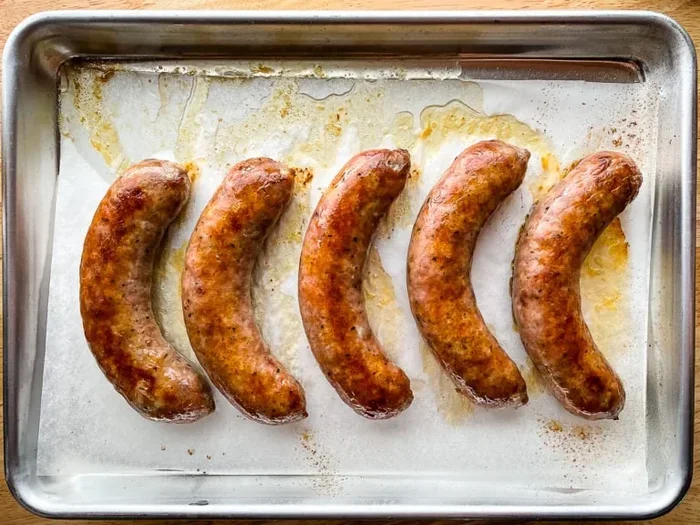
Visual Cues: Look for a deep golden-brown color all around the sausage. The links should look plump and slightly shrunken away from the casing. If you press them gently with tongs, they should feel firm, not soft or squishy. A slightly wrinkled surface is also a good sign that the moisture has cooked off and the sausage is done.
The Internal Temperature Test: This is the most reliable method. Insert a meat thermometer into the center of the thickest link. For pork and beef sausage, aim for 160°F. For chicken or turkey sausage, aim for 165°F. If you don’t have a thermometer, you can cut into the link. The meat should be opaque all the way through with no pink remaining. The juices should run clear, not pink or cloudy.
The Shake Test: Pick up a sausage link with tongs and give it a gentle shake. If you feel the meat moving freely inside the casing, it’s done. If it feels like there’s a lot of liquid sloshing around, it needs more time. This test works best for thicker links where the center is the last part to cook through.
Variations and Serving Ideas for Oven-Baked Sausage Links
How To Cook Frozen Sausage Links In The Oven is a blank canvas for creativity. Once you’ve mastered the basic method, you can add flavors or pair them with different sides.
Breakfast Pairings: Serve your oven-baked sausage links with scrambled eggs, toast, and fresh fruit. The sausage’s crispy texture pairs perfectly with soft eggs. You can also add hash browns or pancakes for a hearty breakfast plate. A side of sautéed peppers and onions takes it to the next level.
Lunch or Dinner Ideas: Slice the cooked sausage links and add them to a breakfast burrito or a hearty sandwich. They also work great chopped into a pasta dish with peppers and onions. For a quick dinner, serve sliced sausage over mashed potatoes with a side of steamed broccoli. The crispy sausage adds a satisfying bite to any meal.
Flavor Boosters: Before baking, you can sprinkle the frozen links with a light coat of brown sugar, smoked paprika, or a pinch of cayenne. These add a sweet or spicy kick. Just be careful not to add too much sugar, as it can burn at high temperatures. A light brush of olive oil with garlic and herbs also works wonders.
Make-Ahead Tip: Bake a large batch of sausage links on Sunday and store them in the fridge. Reheat them in the oven at 350°F for 5–10 minutes. They’ll taste almost as good as fresh. This is a great way to meal prep and have a protein-rich option ready all week long.
Conclusion: Mastering How To Cook Frozen Sausage Links In The Oven
Cooking frozen sausage links in the oven is one of the easiest and most reliable methods for preparing a delicious meal. Whether you’re in a rush on a weekday morning or planning a relaxed weekend brunch, this technique gives you consistent, crispy results with minimal effort. You don’t need to thaw the sausage, and you don’t need to watch the pan constantly.
Remember the key points: preheat to 400°F, bake for 25–35 minutes, flip halfway, and always check the internal temperature. With these simple steps, you’ll have oven-baked sausage links that are juicy inside and perfectly browned outside. The next time you’re staring at a bag of frozen sausage links in the freezer, don’t panic. Just pop them in the oven and enjoy.
Now that you know how to cook frozen sausage links in the oven perfectly, you can make this dish anytime. It’s a skill that saves time, reduces waste, and delivers great flavor. Give it a try this week, and you’ll never go back to thawing again.
Frequently Asked Questions
Can I cook sausage links straight from the freezer?
Yes, absolutely. You can place frozen sausage links directly into a preheated oven without thawing them first. The oven’s heat will thaw and cook them evenly, giving you perfectly crispy results. Just add a few extra minutes to the cooking time to account for the frozen start.
What temperature should I bake frozen sausage links at?
The recommended temperature is 400°F (200°C). This high heat quickly sears the outside while ensuring the inside cooks through evenly. Avoid lower temperatures, as they can cause the sausage to release too much fat and become greasy.
How long does it take to cook frozen sausage links in the oven?
It typically takes 25 to 35 minutes at 400°F. Thinner links may be done in 25 minutes, while thicker ones might need the full 35 minutes. The best indicator is the internal temperature, which should reach 160°F for pork and beef, or 165°F for poultry.
Do I need to flip sausage links when baking them?
Yes, flipping them halfway through the bake is highly recommended. This ensures both sides get evenly browned and crispy. Use tongs to carefully turn each link at the 15-minute mark for the best results.
Is it better to use foil or parchment paper for baking sausage links?
Parchment paper is generally the better choice because it promotes airflow and helps the bottoms crisp up. Foil can trap steam and make the sausage soggy on the bottom. However, foil is sturdier and easier to clean if you’re baking a large batch.
How do I know if the sausage links are fully cooked?
The safest way is to use a meat thermometer. The internal temperature should be 160°F for pork and beef sausage, and 165°F for chicken or turkey sausage. The sausage should also look golden brown and feel firm to the touch when gently pressed with tongs.