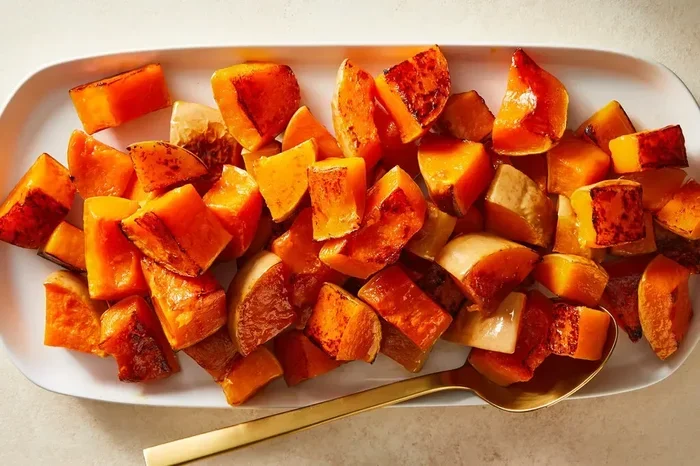
How Long Does Squash Take To Cook In The Oven Today
How long does squash take to cook in the oven depends on the type and size of the squash. Most varieties need between 25 and 60 minutes at 400°F. This guide covers exact cook times for every popular squash type so you get perfectly tender, golden roasted squash every single time.
There is something deeply satisfying about roasting squash in the oven. The kitchen fills with a warm, sweet aroma. The edges turn golden brown. And the flesh becomes tender and caramelized in a way that no other cooking method can match. Whether you are a seasoned cook or just starting out in the kitchen, knowing how long does squash take to cook in the oven is the first step to nailing this simple yet delicious side dish.
Here is the truth about oven baked squash. There is no single answer. Different squash varieties have different shapes, densities, and moisture levels. A small acorn squash roasts much faster than a large butternut. Cubed pieces cook differently than whole squash halves. That is exactly why we put together this complete guide. By the time you finish reading, you will know exact cook times for every type of squash, the best temperatures to use, and all the tricks that make roasted vegetables come out perfectly every time.
How long does squash take to cook in the oven is one of the most searched questions by home cooks. And it makes perfect sense. Squash is versatile, nutritious, and delicious. But it can also be tricky. Undercook it and the flesh is hard and bland. Overcook it and it turns mushy and watery. Getting the timing right is everything. So let us dive into the details and make sure you never have to guess again.
Key Takeaways
- Small squash halves cook in 25 to 40 minutes at 400°F.
- Large butternut squash needs 45 to 60 minutes for full tenderness.
- Spaghetti squash takes about 40 to 50 minutes when roasted whole.
- Cubed squash roasts faster, usually in 20 to 30 minutes.
- 400°F is the sweet spot for caramelization and even cooking.
- Always check tenderness with a fork before removing from the oven.
- Resting time matters — let squash cool for 5 minutes before serving.
📑 Table of Contents
- How Long Does Squash Take To Cook In The Oven
- Best Oven Temperature For Baking Squash
- Step By Step Guide To Roasting Squash
- Tips For Perfectly Cooked Squash Every Time
- Common Mistakes To Avoid When Cooking Squash
- Delicious Squash Recipes To Try At Home
- How to Store and Reheat Roasted Squash
- Nutritional Benefits of Roasted Squash
- Conclusion
How Long Does Squash Take To Cook In The Oven
The short answer to how long does squash take to cook in the oven ranges from 20 minutes to over an hour. The long answer depends on several factors. The type of squash matters a lot. The size of the pieces matters too. The oven temperature plays a big role. And whether you roast the squash whole or cut it into cubes changes the timeline completely.
Let us break this down. Roasting squash at 400°F is the most common approach. This temperature creates a beautiful caramelized exterior while cooking the inside evenly. At 375°F, the cooking time increases slightly. At 425°F, things speed up but you risk burning the edges. For most oven roasted squash, 400°F is the gold standard.
Here is a general overview of squash cook times at 400°F:
- Cubed squash (1-inch pieces): 20 to 30 minutes
- Small squash halves (acorn, delicata): 25 to 40 minutes
- Medium squash halves (butternut, kabocha): 35 to 50 minutes
- Large whole squash (big butternut): 50 to 60 minutes
- Spaghetti squash (whole): 40 to 50 minutes
These numbers are starting points. Your actual squash baking time may vary based on your oven, the size of the squash, and how thick the pieces are. Always use a fork to test tenderness. If it slides in easily, your roasted squash is ready.
Why Type of Squash Matters for Cook Time
Not all squash is created equal. Winter squash varieties like butternut, acorn, and kabocha have thick, dense flesh. They need more time in the oven. Summer squash like zucchini and yellow squash are much thinner and softer. They cook in a fraction of the time.
Here is a closer look at popular squash varieties and their typical oven roast times:
- Butternut squash: One of the most popular types. A 2-pound butternut cut into 1-inch cubes takes about 25 to 30 minutes. A whole halved butternut needs 40 to 50 minutes.
- Acorn squash: Smaller and sweeter. Halved acorn squash roasts in 25 to 35 minutes at 400°F.
- Spaghetti squash: Unique stringy flesh. A medium spaghetti squash takes 40 to 50 minutes when roasted whole.
- Delicata squash: Thin skin and creamy texture. Sliced rounds cook in just 20 to 25 minutes.
- Kabocha squash: Dense and rich. Halved pieces need 35 to 45 minutes.
- Yellow squash: A summer variety. Sliced rounds take only 15 to 20 minutes.
- Zucchini: The quickest of all. Cubed zucchini roasts in 12 to 18 minutes.
Understanding these differences helps you plan your meal better. It also prevents the frustration of either undercooked or overcooked squash flesh.
Best Oven Temperature For Baking Squash
Temperature is the second most important factor after time. Getting the heat right makes a huge difference in texture and flavor. Too low and the squash steams instead of roasting. Too high and the outside burns before the inside is cooked through.
Why 400°F Is the Sweet Spot
Most chefs and home cooks agree that 400°F is the ideal temperature for roasting squash. At this heat, the natural sugars in the squash flesh caramelize beautifully. The edges turn crispy and golden. The inside becomes creamy and tender. The roasted squash develops deep, complex flavors that simply cannot be achieved at lower temperatures.
If you prefer a slightly sweeter result, try roasting at 425°F. The higher heat accelerates caramelization. But you need to watch it more carefully. Check at the 20-minute mark and stir or flip the pieces to prevent burning.
For a slower, more hands-off approach, 375°F works well too. The cook time extends by about 5 to 10 minutes. This lower temperature is great for larger pieces that need more time to cook through without browning too quickly.
Temperature Guide for Different Squash Types
Here is a quick reference for the best squash roasting temperature based on the type:
- Cubed winter squash: 400°F for 25 to 35 minutes
- Whole winter squash halves: 400°F for 35 to 55 minutes
- Spaghetti squash: 400°F for 40 to 50 minutes
- Delicata and acorn squash: 400°F for 25 to 35 minutes
- Summer squash (zucchini, yellow): 425°F for 15 to 20 minutes
- Large whole squash: 375°F for 50 to 70 minutes
Remember that every oven is different. Some run hot, some run cold. An oven thermometer can be a game changer for getting consistent baked squash results. Invest in one if you do not have one already. It is a small tool that makes a big difference.
Step By Step Guide To Roasting Squash
Now that you know the times and temperatures, let us walk through the actual process. Roasting squash in the oven is simple, but a few key steps make all the difference between good and great results.
Step 1: Choose and Prep Your Squash
Start by selecting a firm, heavy squash with no soft spots or cracks. For winter squash, use a sharp chef’s knife to cut it in half. Scoop out the seeds and strings with a spoon. For cubed squash, peel the skin first, then cut the flesh into even 1-inch pieces. Uniform sizes ensure even cooking.
Step 2: Season Generously
Toss the squash with olive oil or melted butter. Add salt and pepper. Then get creative with your squash recipes. Garlic powder, smoked paprika, cumin, and cinnamon all pair wonderfully with roasted squash. A drizzle of maple syrup or honey adds a lovely sweetness.
Step 3: Arrange on the Baking Sheet
Spread the pieces in a single layer on a parchment-lined baking sheet. Do not overcrowd. Leave space between each piece so hot air circulates freely. Overcrowding leads to steaming, which gives you mushy squash instead of crispy roasted edges.
Step 4: Roast and Check
Place the baking sheet on the middle rack of your oven. Set a timer based on the times we discussed earlier. At the halfway point, open the oven and flip or stir the pieces. This promotes even browning on all sides.
Step 5: Test for Doneness
The best way to check if your squash is done is to poke it with a fork. The fork should slide in with no resistance. The squash flesh should be tender and slightly caramelized. If it still feels firm, give it another 5 to 10 minutes.
Step 6: Rest and Serve
Let the oven roasted squash cool for about 5 minutes before serving. This brief rest allows the flavors to settle and the texture to firm up slightly. Serve it as a side dish, toss it into salads, or blend it into soups.
Tips For Perfectly Cooked Squash Every Time
Even with the right time and temperature, small details can make or break your roasted squash. Here are expert tips that take your results from good to outstanding.
Cut Pieces to Similar Sizes
This is the single most important tip for even cooking. When you cube squash, aim for uniform 1-inch pieces. Different sizes mean different cook times. Small pieces burn while large pieces stay hard.
Use Parchment Paper or a Silicone Mat
Line your baking sheet before spreading the squash. This prevents sticking and makes cleanup a breeze. It also promotes better air circulation around each piece.
Do Not Skip the Flip
Flipping or stirring the squash halfway through roasting ensures all sides get equal exposure to the heat. This creates that perfect golden brown squash color on every piece.
Add Salt at the Right Time
Salt draws moisture out of vegetables. If you salt the squash too early, it can release water and steam instead of roasting. For the best caramelized squash, add salt right before it goes in the oven or at the halfway mark.
Let the Oven Preheat Fully
Never put squash into a cold oven. A fully preheated oven ensures consistent heat from the start. This matters especially for baked squash recipes where timing is precise.
Experiment with Different Squash Varieties
Once you master the basics, try different types. Each variety of squash brings unique flavor, texture, and sweetness to the table. Delicata squash is great for beginners because of its thin, edible skin. Kabocha has an incredibly rich, creamy texture.
Save the Seeds
Do not throw away the seeds! Roasted squash seeds make a delicious and nutritious snack. Rinse them, toss with oil and salt, and bake at 300°F for 15 to 20 minutes until crunchy.
Common Mistakes To Avoid When Cooking Squash
Even experienced cooks make mistakes with roasting squash. Being aware of these common errors helps you avoid them and get better results every time.
Overcrowding the Pan
This is the number one mistake people make. When pieces are too close together, they steam instead of roast. The result is pale, soft, and sometimes soggy squash. Give each piece room to breathe.
Using the Wrong Size Pieces
Mixed sizes lead to uneven cooking. Some pieces will be burnt while others are still raw. Take the extra few minutes to cut everything uniformly.
Skipping the Parchment Paper
Skipping parchment leads to stuck-on squash that tears apart when you try to remove it. It also makes cleanup much harder. A small effort that pays off big time.
Opening the Oven Door Too Often
Every time you open the oven door, heat escapes. This drops the temperature and extends the cook time. Trust the timer and only open the door when you need to flip or check the squash.
Underseasoning
Plain roasted squash is fine, but well-seasoned squash is incredible. Do not be shy with your spices and herbs. The natural sweetness of squash pairs beautifully with savory, sweet, and spicy flavors.
Not Letting It Rest
Fresh out of the oven, squash flesh is very soft and loose. Letting it rest for 5 minutes allows excess moisture to evaporate and the texture to improve.
Delicious Squash Recipes To Try At Home
Once you master how long does squash take to cook in the oven, the real fun begins. Here are some ideas to put your perfectly roasted squash to good use.
Roasted Butternut Squash Soup: Use your roasted cubes as the base for a creamy, warming soup. Blend with broth, a touch of cream, and your favorite spices.
Squash and Quinoa Bowl: Toss roasted cubed squash with cooked quinoa, dried cranberries, toasted pecans, and a maple vinaigrette.
Stuffed Acorn Squash: Roast halved acorn squash and fill with a savory mixture of rice, black beans, cheese, and salsa.
Spaghetti Squash Pasta: Scrape the roasted strands and toss with marinara sauce and ground turkey for a low-carb pasta alternative.
Roasted Squash Salad: Combine warm roasted vegetables with arugula, goat cheese, candied walnuts, and a lemon vinaigrette.
Each of these recipes highlights the natural sweetness and versatility of baked squash. They are perfect for weeknight dinners and holiday meals alike.
How to Store and Reheat Roasted Squash
Got leftover roasted squash? Great news — it stores beautifully and reheats wonderfully.
Let the squash cool completely before storing. Place it in an airtight container and refrigerate for up to 5 days. For longer storage, freeze the squash in a single layer on a baking sheet, then transfer to freezer bags. Frozen roasted squash keeps for up to 3 months.
To reheat, spread the squash on a baking sheet and warm at 350°F for 10 to 15 minutes. This restores the crispy edges better than a microwave. The squash flesh stays tender and flavorful when reheated properly.
Nutritional Benefits of Roasted Squash
Roasted squash is not just delicious. It is also packed with nutrition. Most winter squash varieties are rich in vitamin A, vitamin C, potassium, and dietary fiber. They are naturally low in calories and high in antioxidants. The roasting process concentrates the natural sugars, making it a satisfying and healthy side dish for the whole family.
Conclusion
How long does squash take to cook in the oven is a question with a flexible answer. The beauty of roasting squash is that it is forgiving and hard to mess up once you know the basics. Small pieces cook fast. Large pieces take more time. 400°F is your best friend for most varieties. And a fork test is the ultimate doneness check.
With the tips, times, and techniques in this guide, you are fully equipped to roast any type of squash to perfection. Whether you are making a quick weeknight side dish or a centerpiece for a holiday table, oven baked squash delivers every time. So preheat your oven, grab your favorite squash, and get ready to enjoy one of the most delicious and nutritious vegetables out there.
The next time someone asks you how long does squash take to cook in the oven, you will have a confident, detailed answer. And more importantly, you will have perfectly roasted squash on the table that everyone will love.
Frequently Asked Questions
Can you roast squash at 350°F instead of 400°F?
Yes, you can roast squash at 350°F. The cook time will be about 10 to 15 minutes longer. Lower temperatures cook more gently and evenly but may not produce the same level of caramelization. Use 350°F for very large whole squash that needs a longer, slower roast.
How do you know when squash is done in the oven?
The easiest way to tell is the fork test. Poke the squash flesh with a fork. If it slides in smoothly with no resistance, the squash is done. You should also see golden brown edges and the pieces should feel tender when pressed gently.
Do you need to peel squash before roasting it?
It depends on the type. For butternut and kabocha, peeling is recommended since their skins are tough. For acorn and delicata, the skin is thin enough to eat after roasting. Spaghetti squash is typically roasted whole with the skin on, then the strands are scooped out.
Can you roast squash with the skin on?
Yes, you can roast many types of squash with the skin on. This works well for acorn, delicata, and kabocha. The skin softens during roasting and becomes edible. For butternut squash, it is easier to peel before cutting into cubes or halves.
What is the best way to cut squash for roasting?
For even roasting, cut squash into uniform 1-inch cubes. For halves, aim for consistent thickness so both sides cook at the same rate. A sharp chef’s knife and a stable cutting surface make the job safer and easier.
Can you roast frozen squash in the oven?
Yes, you can roast frozen squash, but thaw it first for best results. Pat the pieces dry with a paper towel to remove excess moisture. Spread them on the baking sheet and roast as you would fresh squash. The cook time may be slightly shorter since the squash is already soft from thawing.