How Long To Warm Up Leftovers In Oven Without Drying Out
Warming up leftovers in the oven is the best way to restore their original texture and flavor. Most foods reheat perfectly at 325°F to 375°F within 10 to 20 minutes. The key is using the right temperature, covering food properly, and checking it often to avoid drying out.
There is nothing worse than pulling a plate of leftovers out of the oven only to find them dry, burnt on the edges, or still ice cold in the middle. Whether you are reheating last night’s chicken, a slice of pizza, or a full casserole, the way you warm food back up makes all the difference. Many people default to the microwave because it is fast, but the microwave often leaves food rubbery, soggy, or unevenly heated.
The oven is a much better option for reheating most leftovers. It uses gentle, surrounding heat that warms food evenly and helps restore the original texture. But the big question everyone asks is, how long to warm up leftovers in oven? The answer depends on what you are reheating, the temperature you use, and whether you cover the dish or not. In this guide, we will walk you through exact times, temperatures, and proven tips for every type of leftover food.
By the end of this article, you will know exactly how to reheat food in the oven without drying it out. You will learn the best temperatures, the right containers to use, and simple tricks that make leftovers taste almost as good as fresh. Let us dive in.
Key Takeaways
- Right Temperature Matters: Most leftovers reheat best between 325°F and 375°F for even warming without drying out.
- Time Varies by Food Type: Soups and casseroles need 10-15 minutes, while dense meats may need 20-25 minutes.
- Cover Your Food: Using foil or a lid traps steam and keeps moisture locked in during reheating.
- Let Food Rest: Allowing leftovers to sit for 2-3 minutes after reheating helps heat distribute evenly.
- Avoid the Microwave When Possible: The oven provides superior texture and prevents the rubbery, soggy results microwaves often cause.
- Use Oven-Safe Containers: Glass, ceramic, and metal dishes distribute heat evenly and reheat food more consistently.
- Add a Splash of Water or Oil: This simple trick restores moisture to dried-out leftovers before reheating.
📑 Table of Contents
- Why Reheating Leftovers In The Oven Works Best
- Best Oven Temperature For Reheating Leftovers
- How Long To Warm Up Different Leftovers In Oven
- Essential Tips To Prevent Leftovers From Drying Out
- Common Mistakes People Make When Reheating Leftovers
- Oven Reheating Vs Microwave: Which Is Better
- How To Store Leftovers Properly For Better Reheating
- Expert Tips For Perfectly Reheated Leftovers Every Time
- Frequently Asked Questions
- Final Thoughts
Why Reheating Leftovers In The Oven Works Best
When you reheat food in the oven, the hot air circulates around the entire dish. This creates a much more even warming effect compared to a microwave, which heats from the inside out and often creates hot and cold spots. The oven also helps restore crispiness to foods like pizza, roasted vegetables, and breaded items.
Here are some key reasons to choose the oven for reheating:
- Even Heat Distribution: The oven warms food from all sides, reducing the chance of cold centers.
- Better Texture: Foods come out crispy on the outside and moist on the inside, not rubbery or soggy.
- Handles Large Quantities: You can reheat a full pan of food at once, unlike a microwave which works best with small portions.
- Restores Original Quality: Fried foods, baked dishes, and roasted meals all benefit from oven reheating.
- Food Safety: The oven helps food reach a safe internal temperature more reliably than other methods.
The trade-off is that the oven takes longer than a microwave. But that extra time is what gives you better results. Most leftovers only need 10 to 25 minutes depending on the type of food and the oven temperature.
Best Oven Temperature For Reheating Leftovers
Setting the right temperature is the most important step when you warm up leftovers in oven. Too hot and the outside burns before the inside is warm. Too low and the food dries out before it heats through. The sweet spot for most foods falls between 325°F and 375°F.
Temperature Guide By Food Type
Different foods need different temperatures for the best results. Here is a quick breakdown of what works best for common leftover items:
- Cooked Meat (Chicken, Beef, Pork): 325°F for 15 to 20 minutes. Lower heat keeps meat juicy.
- Pizza and Bread-Based Foods: 375°F for 8 to 12 minutes. Higher heat restores the crispy crust.
- Casseroles and Baked Dishes: 350°F for 15 to 20 minutes. Medium heat warms the center without burning the top.
- Roasted Vegetables: 350°F for 10 to 15 minutes. This brings back the roasted texture.
- Soups and Sauces: 325°F for 10 to 15 minutes. Cover with foil to trap moisture.
- Fried Foods (Fries, Chicken Tenders): 375°F for 8 to 10 minutes on a wire rack for maximum crispiness.
The general rule is to use a lower temperature for moist foods and a higher temperature for foods you want to stay crispy. This simple approach solves most reheating problems.
How Long To Warm Up Different Leftovers In Oven
Now let us get into the specific times. Knowing exactly how long to warm up leftovers in oven for each food type takes the guesswork out of reheating. Below is a detailed guide organized by food category.
Meat and Poultry
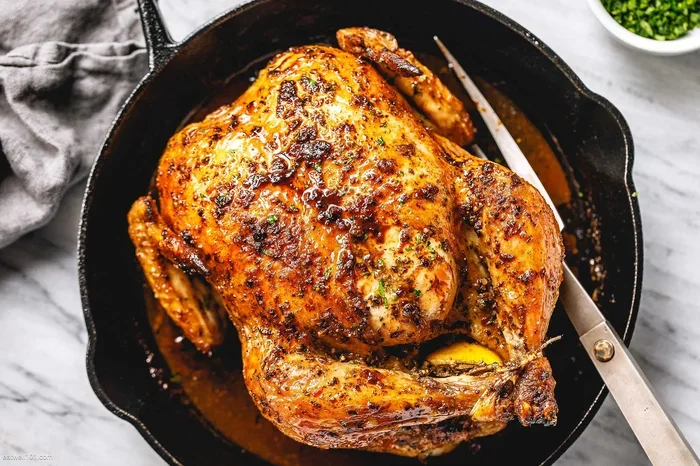
Reheating meat is one of the trickiest tasks because it can dry out quickly. Chicken breast, roast beef, pork chops, and ground meat all benefit from low and slow reheating. Set your oven to 325°F and place the meat in an oven-safe dish. Add a splash of broth, water, or sauce to keep it moist. Cover the dish tightly with aluminum foil and heat for 15 to 20 minutes. For thicker cuts like a roast, you may need up to 25 minutes. Use a meat thermometer to check that the internal temperature reaches 165°F for poultry and 145°F for beef and pork.
Pizza and Flatbreads
Pizza is one of the most popular leftovers, and reheating it in the oven is the best way to keep the crust crispy and the cheese melted. Preheat your oven to 375°F and place the pizza slices on a baking sheet or directly on the oven rack. Heat for 8 to 12 minutes. If you like extra crispy crust, try placing the pizza on a preheated pizza stone or baking sheet for the first 5 minutes. This method gives you results that are far superior to microwaving, which turns pizza crust into a chewy, rubbery mess.
Casseroles and Baked Dishes
Casseroles, lasagna, baked pasta, and similar dishes reheat well in the oven because they contain moisture from sauces and cheeses. Preheat to 350°F and cover the dish with foil for the first 10 minutes. This traps steam and helps the center warm up. Then remove the foil and heat for another 5 to 10 minutes until the top is bubbly and golden. Total reheating time is usually 15 to 20 minutes.
Soups, Stews, And Sauces
Liquid-based leftovers like soups and stews need a gentler approach. Preheat the oven to 325°F and pour the soup into an oven-safe pot or deep baking dish. Cover with a lid or tightly wrapped foil to prevent moisture from escaping. Heat for 10 to 15 minutes, stirring halfway through to ensure even warming. For sauces, the same approach works well. The key is keeping the lid on so the liquid does not evaporate and reduce too much.
Roasted Vegetables
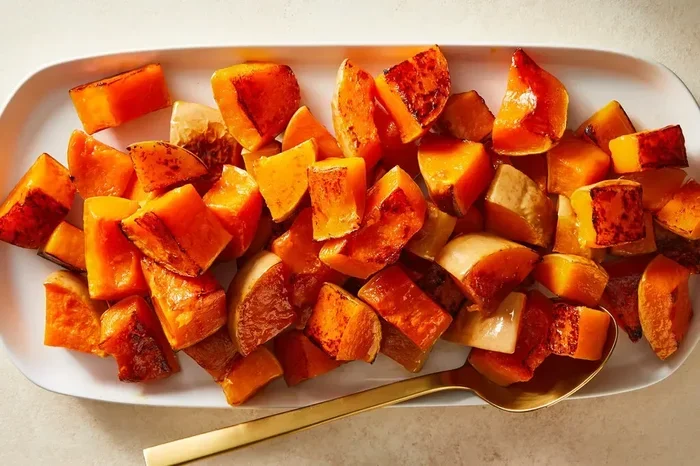
If you have leftover roasted vegetables, the oven is the perfect way to bring them back to life. Preheat to 350°F and spread the vegetables on a baking sheet. Drizzle with a small amount of olive oil and toss gently. Heat for 10 to 15 minutes. The vegetables will regain some of their original roast and become tender again without turning mushy.
Fried And Breaded Foods
Fried foods like french fries, chicken tenders, and breaded fish are best reheated at a higher temperature. Set the oven to 375°F and place the food on a wire rack over a baking sheet. The wire rack allows air to circulate underneath, which keeps the bottom crispy. Heat for 8 to 10 minutes. This method works much better than microwaving, which makes fried food limp and soggy.
Essential Tips To Prevent Leftovers From Drying Out
The biggest challenge when you warm up leftovers in oven is keeping them moist. Dry food is unappetizing and often tastes much worse than it did the first time. Here are proven tips to prevent drying out.
Always Cover Your Food
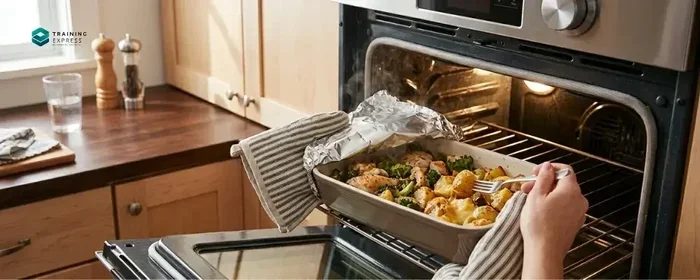
Using aluminum foil, a lid, or an oven-safe cover traps steam inside the dish. That steam acts as a natural humidifier and keeps the food from drying out. This is especially important for meats, casseroles, and anything with a sauce. Remove the cover for the last few minutes if you want a crispy top.
Add Moisture Before Reheating
A simple trick is to add a few tablespoons of water, broth, or sauce to your leftovers before reheating. This extra moisture creates steam inside the dish and keeps everything from drying out. For rice and grains, add a tablespoon of water. For roasted meats, add a splash of chicken or beef broth. For pasta dishes, a drizzle of olive oil or extra sauce works wonders.
Use The Right Container
Not all containers are created equal when it comes to reheating. Glass and ceramic dishes heat evenly and are safe for the oven. Metal pans also work well. Avoid plastic containers because they can melt or release chemicals at high temperatures. If you are storing leftovers, transfer them to an oven-safe dish before reheating.
Let Food Rest After Reheating
Once your food comes out of the oven, let it sit for 2 to 3 minutes before eating. This resting period allows the heat to distribute evenly throughout the dish. It also gives the food time to firm up slightly, which improves the texture and flavor.
Do Not Overheat
More time does not mean better results. Overheating leftovers is the fastest way to dry them out. Stick to the recommended times and temperatures, and check the food a few minutes before the suggested time is up. If it is already hot, take it out early. It is always better to underheat slightly and add a few more minutes than to overheat and ruin the dish.
Common Mistakes People Make When Reheating Leftovers
Even with the best intentions, many people make mistakes that lead to dry, unevenly heated, or bland leftovers. Here are the most common errors and how to avoid them.
- Using Too High A Temperature: Cranking the oven to 400°F or higher may seem faster, but it burns the outside while leaving the inside cold. Always reheat at 325°F to 375°F for the best results.
- Skipping The Cover: Leaving food uncovered in the oven lets all the moisture escape. This is the number one cause of dried-out leftovers.
- Reheating In The Original Container: Many takeout containers are not oven-safe and can melt or leach chemicals into your food. Always transfer leftovers to an oven-safe dish first.
- Not Stirring Or Rotating: Foods like soups, stews, and casseroles benefit from being stirred halfway through reheating. This ensures even heat distribution and prevents cold spots.
- Reheating Multiple Times: Each time you reheat food, its quality decreases. Only reheat what you plan to eat in one sitting. Avoid putting leftovers back in the fridge and reheating them again later.
- Ignoring Food Safety: Leftovers should be reheated to an internal temperature of at least 165°F to be safe to eat. Use a food thermometer to check, especially for meats and poultry.
Oven Reheating Vs Microwave: Which Is Better
Many people reach for the microwave because it is quick and convenient. But when it comes to quality, the oven wins hands down for most types of food. The microwave uses radiation to vibrate water molecules inside the food, which creates steam and heats the food quickly. However, this process often makes breaded or fried foods soggy and turns pizza crust into a chewy, rubbery texture.
The oven, on the other hand, uses dry heat that surrounds the food evenly. This restores crispiness, keeps meats juicy when done correctly, and preserves the original texture of most dishes. The trade-off is time. The microwave takes 2 to 3 minutes while the oven takes 10 to 25 minutes.
Here is a quick comparison:
- Microwave: Fast, convenient, but often results in soggy or unevenly heated food. Best for soups and liquids.
- Oven: Slower but produces much better texture and flavor. Best for pizza, meat, casseroles, fried foods, and anything with a crust or coating.
For the best results, reserve the microwave for soups and liquids, and use the oven for everything else. Your leftovers will taste dramatically better.
How To Store Leftovers Properly For Better Reheating
Good reheating starts with proper storage. If you store leftovers incorrectly, no amount of oven time will bring them back to their original quality. Follow these storage tips to make your next reheating session a success.
- Cool Food Before Storing: Do not put hot food directly in the fridge. Let it cool to room temperature within two hours, then store it in shallow containers to speed up cooling.
- Use Airtight Containers: Airtight containers prevent moisture loss and keep food fresh longer. Glass containers with snap-on lids work great.
- Store Sauces Separately: If your leftovers have a sauce or gravy, consider storing them separately. This prevents the food from becoming soggy in the fridge and gives you better control when reheating.
- Label And Date Everything: Most leftovers stay safe in the fridge for 3 to 4 days and in the freezer for 2 to 6 months. Label each container with the date so you know what to eat first.
- Portion Before Storing: Store leftovers in individual portions so you only reheat what you need. This reduces waste and improves reheating quality.
Proper storage is the first step in the reheating process. Take a few extra minutes when you put food away, and your leftovers will taste much better when you reheat them later.
Expert Tips For Perfectly Reheated Leftovers Every Time
Professional chefs and home cooks alike follow a few simple rules that make a huge difference when reheating food in the oven. Here are some expert tips to elevate your leftover game.
- Preheat Your Oven Every Time: Do not put food in a cold oven. Always preheat to the target temperature before placing your dish inside. This ensures immediate and even heat from the moment the food goes in.
- Use A Wire Rack For Crispy Foods: Placing fried or breaded items on a wire rack set over a baking sheet allows hot air to flow underneath. This keeps the bottom crispy instead of soggy.
- Brush Oil Or Butter On Meats: A light coating of olive oil or melted butter on reheated meats adds moisture and helps create a nice exterior. This is especially helpful for roast chicken and beef.
- Add Fresh Herbs At The End: After reheating, sprinkle fresh herbs like basil, parsley, or cilantro on top. This adds a burst of freshness that makes leftovers taste almost brand new.
- Check Temperature With A Thermometer: The only way to know for sure that your food is heated through is to use a food thermometer. Insert it into the thickest part of the dish and make sure it reaches 165°F.
- Rest Food Before Serving: Letting food sit for 2 to 3 minutes after removing it from the oven allows juices to redistribute and the temperature to even out. This small step makes a noticeable difference in quality.
Frequently Asked Questions
Can I reheat all types of food in the oven?
Most foods reheat well in the oven, including meat, pizza, casseroles, roasted vegetables, and breaded items. However, some foods work better on the stovetop or microwave. Soups, stews, and liquids are fine in the oven but may heat more evenly on the stovetop. Avoid reheating foods with a lot of dairy sauce in a very hot oven, as they can curdle. Stick to 325°F to 350°F for dairy-heavy dishes.
How do I know when leftovers are fully reheated in the oven?
The best way to check is with a food thermometer. Insert it into the center of the thickest part of the dish. The internal temperature should reach at least 165°F for safety. You can also check by cutting into the food and making sure there are no cold spots. For liquids like soups, stir and check the temperature in the middle.
Is it safe to reheat leftovers multiple times?
It is not recommended to reheat leftovers more than once. Each cycle of cooling and reheating increases the risk of bacterial growth and degrades the quality of the food. Only reheat what you plan to eat in one sitting. If you have a large batch, portion it out and reheat individual servings as needed.
Can I reheat leftovers in a disposable aluminum pan in the oven?
Yes, disposable aluminum pans are safe for oven use and work well for reheating. They heat up quickly and distribute heat evenly. However, avoid using pans with plastic lids or handles that are not oven-safe. Also, be careful when removing the pan as it can get very hot.
Why does my leftover pizza get soggy in the oven?
Pizza gets soggy when moisture gets trapped underneath. To prevent this, place the pizza on a baking sheet or directly on the oven rack instead of in a covered dish. You can also place a piece of parchment paper under the pizza to absorb excess moisture. Reheat at 375°F for 8 to 12 minutes for the crispiest result.
What is the best way to reheat fried chicken in the oven?
Fried chicken reheats beautifully in the oven. Preheat to 375°F and place the chicken on a wire rack over a baking sheet. This allows air to circulate and keeps the coating crispy. Heat for 10 to 15 minutes, turning once halfway through. Do not cover the chicken, as trapping steam will make the coating soft instead of crispy.
Final Thoughts
Knowing how long to warm up leftovers in oven without drying them out is a skill that saves time, money, and reduces food waste. The oven is the best method for reheating most foods because it restores texture, maintains moisture, and delivers results that taste close to freshly cooked meals.
Remember the key points: use the right temperature between 325°F and 375°F, cover your food to trap moisture, add a splash of liquid when needed, and always check for doneness before serving. Avoid the common mistakes of overheating, skipping the cover, and using the wrong containers.
With the times and temperatures outlined in this guide, you will never have a dry, disappointing plate of leftovers again. Whether it is a slice of pizza, a portion of roast chicken, or a full casserole, your oven can bring those leftovers back to life. The next time you reach for last night’s dinner, give the oven a chance. Your taste buds will thank you.
Start experimenting with these tips today. You will be surprised at how much better leftovers taste when reheated properly in the oven. Good food is too good to waste, and now you have the knowledge to make every reheated meal feel like a fresh one.