How Long To Bake Bread Machine Dough In A Hot Oven
Baking bread machine dough in a hot oven transforms store-bought mix into golden, crusty homemade bread. Most loaves bake between 25 and 45 minutes at 350°F to 375°F depending on size and recipe. Knowing the right time and temperature makes all the difference between a dense brick and a soft, airy loaf. This guide covers everything you need to bake bread machine dough in the oven like a pro.
There is something deeply satisfying about pulling a warm loaf of bread from the oven. The aroma fills the kitchen. The crust turns golden brown. And the inside is soft and fluffy. Many people use a bread machine to mix and knead the dough. Then they transfer that dough into a hot oven to finish the job. But here is the big question. How long to bake bread machine dough in oven? The answer depends on a few key factors. This guide walks you through everything you need to know.
Baking bread at home does not have to be hard. Once you understand the basics, you will feel confident every time. Whether you are a beginner or a seasoned baker, this article has practical tips for you. We will cover bake times, temperatures, pan sizes, and common mistakes. By the end, you will know exactly how to get perfect oven-baked bread every single time.
Key Takeaways
- Standard bake time: Most bread machine dough takes 25 to 45 minutes in a hot oven at 350°F to 375°F.
- Oven temperature matters: A properly preheated oven ensures even rising and a beautiful golden crust.
- Pan size affects timing: Smaller loaves bake faster, while larger or freeform shapes need more time.
- Always let the dough rise first: A second rise before baking leads to lighter, fluffier bread.
- Watch for visual cues: Golden brown color and hollow sound when tapped signal doneness.
- Avoid common mistakes: Skipping the preheat or opening the oven too early can ruin your loaf.
- Experiment with settings: Convection ovens and different rack positions change baking outcomes.
📑 Table of Contents
- Why Transfer Bread Machine Dough To The Oven
- How Long To Bake Bread Machine Dough In Oven
- The Right Temperature For Baking Bread Machine Dough
- Step-By-Step Guide To Baking Bread Machine Dough In The Oven
- Common Mistakes To Avoid When Baking Bread Machine Dough
- Expert Tips For Perfect Oven-Baked Bread
- Comparison Table: Bake Times And Temperatures
- Quick Tips For Success
- Final Thoughts
Why Transfer Bread Machine Dough To The Oven
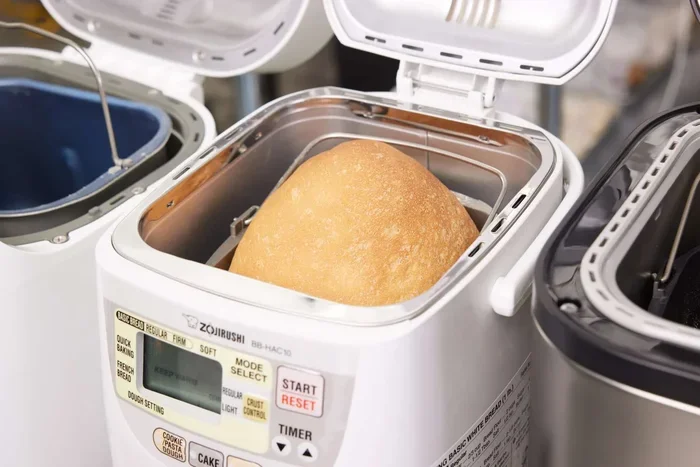
A bread machine does a great job mixing and kneading dough. It controls the rise and keeps conditions consistent. But most bread machines cannot bake the bread properly. The heating element inside a bread machine is small. It does not create the same crust or texture as a real oven. That is why many bread lovers transfer the dough to the oven for the final bake.
Oven baking gives you a better crust. The heat circulates around the loaf evenly. This creates that crispy golden outside everyone loves. The inside stays soft and airy. Plus, you can use different pan shapes. You are not limited to the small pan that comes with your bread machine. You can make a large loaf, a round boule, or even rolls. The possibilities open up when you use a hot oven.
The Role Of The Bread Machine Cycle
Your bread machine has different cycles. The dough cycle is the one you want. This cycle mixes the ingredients and lets the dough rise. It does not bake anything. Once the dough cycle finishes, the dough is ready to shape. You pull it out, shape it, place it in a greased pan, and put it in the oven. Simple as that.
Some people skip the bread machine entirely and just use the oven. But using both together saves time. The machine handles the hard work of mixing and kneading. You handle the shaping and baking. This combo method works great for busy weeknights. You can start the dough at night and bake it in the morning.
How Long To Bake Bread Machine Dough In Oven
This is the section you have been waiting for. How long to bake bread machine dough in oven? The general answer is 25 to 45 minutes. But the exact time depends on several things. Let us break it down so you know exactly what to expect.
Bake Time By Loaf Size
The size of your loaf matters a lot. A small loaf bakes faster than a large one. Here is a simple breakdown to follow.
- Small loaf (1 pound): 25 to 30 minutes at 350°F
- Medium loaf (2 pounds): 30 to 35 minutes at 350°F to 375°F
- Large loaf (2.5 pounds): 35 to 45 minutes at 350°F to 375°F
- Rolls or buns: 15 to 20 minutes at 375°F
These times are starting points. Every oven is different. Some ovens run hot. Others run cool. That is why you should always check your bread a few minutes before the minimum time. Use the visual and touch tests we will cover later.
Bake Time By Dough Type
The type of dough you are baking also changes the time. Different recipes have different ingredients and textures. Here are some common types and their bake times.
- Basic white bread dough: 30 to 35 minutes at 350°F
- Whole wheat dough: 35 to 40 minutes at 350°F. Whole wheat needs a bit more time because it is denser.
- Sweet bread or challah dough: 30 to 35 minutes at 350°F. Sugar can cause faster browning, so watch it closely.
- Artisan or rustic dough: 30 to 40 minutes at 400°F to 425°F. Higher heat creates a thicker crust.
- Dinner roll dough: 15 to 20 minutes at 375°F
Notice how higher temperatures mean shorter bake times. But they also mean you need to pay more attention. Hot ovens can go from golden to burnt fast. Set a timer and stay nearby.
The Right Temperature For Baking Bread Machine Dough
Temperature is just as important as time. Baking at the wrong temperature can ruin even the best dough. Too low and the bread turns dense. Too high and the outside burns while the inside stays raw. So what is the right temperature?
Standard Baking Temperatures
Most bread machine dough recipes call for 350°F to 375°F. This is the sweet spot for homemade bread. At 350°F, the bread bakes evenly. The crust forms gently. The inside cooks through without drying out. At 375°F, you get a slightly crispier crust. This is great for rustic loaves and artisan-style bread.
Some recipes push the temperature higher. Artisan breads often bake at 400°F to 450°F. The high heat creates steam inside the dough. This steam helps develop a crispy, crackly crust. But this method works best for experienced bakers. If you are new to oven baking, stick with 350°F.
Why Preheating Matters
Always preheat your oven before putting the bread in. A hot oven from the start gives the dough an immediate burst of heat. This helps the yeast create steam. The steam lifts the bread and creates a light texture. If you put dough into a cold oven, the rise will be uneven. The bread will be dense and flat.
Give your oven at least 15 to 20 minutes to preheat. Do not rush this step. Many people skip preheating and wonder why their bread does not rise properly. It is one of the most common mistakes in home baking. Take the extra few minutes. Your bread will thank you.
Convection Vs Conventional Ovens
If you have a convection oven, you can bake bread faster. Convection ovens use a fan to circulate hot air. This means more even heating. The bread bakes more consistently. You can lower the temperature by 25°F when using convection. So if a recipe says 375°F, set your convection oven to 350°F. Check the bread a few minutes early. Convection ovens can reduce bake times by about 5 to 10 minutes.
Conventional ovens work great too. They just need a little more attention. Rotate the pan halfway through baking. This ensures the bread gets even heat on all sides. It is a simple trick that makes a big difference.
Step-By-Step Guide To Baking Bread Machine Dough In The Oven
Now that you know the times and temperatures, let us walk through the full process. Follow these steps for the best results every time.
Step One: Mix And Knead The Dough
Add your ingredients to the bread machine in the order your recipe calls for. Usually, you put the liquids first. Then the dry ingredients. Then the yeast on top. Select the dough cycle and press start. The machine will mix, knead, and let the dough rise. This process takes about one to two hours depending on your machine.
Step Two: Shape The Dough
Once the dough cycle finishes, remove the dough from the machine. Place it on a lightly floured surface. Punch it down gently to release air bubbles. Shape it into a loaf that fits your pan. You can use a standard loaf pan, a round pan, or even a cast iron skillet. Grease your pan well so the bread does not stick.
Step Three: Let The Dough Rise Again
This step is important. Put the shaped dough in the greased pan. Cover it with a damp towel or plastic wrap. Let it rise in a warm place for 20 to 30 minutes. The dough should puff up and fill about half the pan. This second rise creates a lighter, fluffier loaf. Do not skip it.
Step Four: Preheat The Oven
While the dough is rising, preheat your oven. Set it to the temperature your recipe calls for. Most bread machine dough recipes use 350°F. Let the oven fully preheat before the bread goes in. This usually takes 15 to 20 minutes.
Step Five: Bake The Bread
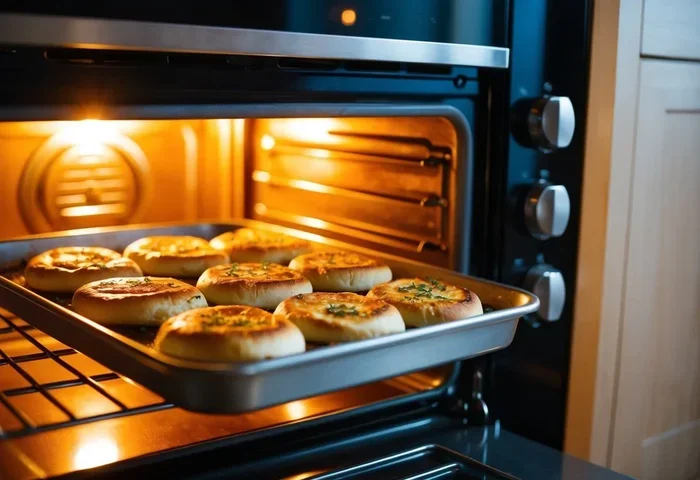
Place the pan in the center of the oven. Set your timer for the recommended time. For a standard 2-pound loaf at 350°F, that is about 30 to 35 minutes. Do not open the oven door during the first 20 minutes. Opening the door releases heat and can cause the bread to collapse.
Step Six: Check For Doneness
After the minimum bake time, check the bread. Tap the bottom of the loaf. If it sounds hollow, it is done. The top should be golden brown. Use a food thermometer to check the internal temperature. It should read 190°F to 200°F in the center. If it is not done yet, bake for 3 to 5 more minutes and check again.
Step Seven: Cool And Serve
Remove the bread from the oven. Take it out of the pan and place it on a wire rack. Let it cool for at least 15 to 20 minutes before slicing. This allows the inside to set. Cutting too early can make the bread gummy. Once cooled, slice and enjoy.
Common Mistakes To Avoid When Baking Bread Machine Dough
Even experienced bakers make mistakes. Here are some common errors that affect your bake time and results. Avoid these and your bread will turn out better every time.
Skipping The Second Rise
Some people skip the second rise to save time. This is a big mistake. The second rise gives the bread its light, airy texture. Without it, your loaf will be dense and heavy. Always let the shaped dough rise before it goes in the oven.
Not Preheating The Oven
We mentioned this earlier, but it is worth repeating. Putting bread dough into a cold oven leads to poor results. The bread will not rise properly. The crust will not form correctly. Always preheat your oven before baking.
Opening The Oven Door Too Early
The first 20 minutes of baking are critical. Opening the door releases heat and steam. This can cause the bread to sink in the middle. Resist the urge to peek. Trust the process. Check the bread only after the minimum time has passed.
Using The Wrong Pan Size
If your pan is too small, the dough will overflow. If it is too large, the bread will be flat and thin. Use a pan that matches the size of your dough. A standard 9×5 inch loaf pan works great for most 2-pound recipes.
Ignoring Your Oven Hot Spots
Most ovens have hot spots. The back or bottom of the oven is often hotter. This can cause uneven browning. Rotate your pan halfway through baking to fix this problem. It takes just a few seconds and makes a big difference.
Expert Tips For Perfect Oven-Baked Bread
Want to take your bread to the next level? Try these expert tips. They are simple but they make a huge difference in the final result.
Add Steam For A Crispy Crust
Steam in the first few minutes of baking creates a crispy, crackly crust. You can add steam by placing a shallow pan of water on the bottom rack of the oven. Some bakers spray water into the oven when they put the bread in. Just be careful not to get water on the heating element.
Brush The Top With Butter Or Egg Wash
Brushing the top of the loaf with melted butter or an egg wash adds shine and flavor. It also helps the crust brown faster and more evenly. Do this right after you put the bread in the oven. The heat will set the wash immediately.
Use A Pizza Stone Or Baking Steel
A pizza stone or baking steel placed on the bottom rack of the oven works wonders. It absorbs heat and radiates it evenly. This mimics the environment of a professional bread oven. The result is a better rise and a crispier bottom crust.
Let The Bread Cool Completely
This might be the hardest tip to follow. Fresh bread smells amazing and you want to slice it right away. But cutting into hot bread releases steam from the inside. This makes the crumb gummy and dense. Wait at least 15 to 20 minutes. The bread will slice cleaner and taste better.
Store Leftover Bread Properly
Once your bread has cooled, store it properly to keep it fresh. A bread box works great for short-term storage. For longer storage, slice the bread and freeze it. Toast slices directly from the freezer. They come out perfectly warm and crispy. Homemade bread machine dough baked in the oven keeps well for up to three days at room temperature.
Comparison Table: Bake Times And Temperatures
Here is a quick reference table to help you remember the key bake times and temperatures for different types of bread machine dough.
| Bread Type | Loaf Size | Temperature | Bake Time |
|---|---|---|---|
| Basic White Bread | 2 lb | 350°F | 30 to 35 min |
| Whole Wheat Bread | 2 lb | 350°F | 35 to 40 min |
| Sweet Bread / Challah | 2 lb | 350°F | 30 to 35 min |
| Artisan Rustic Loaf | Large | 400°F to 425°F | 30 to 40 min |
| Dinner Rolls | 12 rolls | 375°F | 15 to 20 min |
| Small Loaf | 1 lb | 350°F | 25 to 30 min |
| Large Loaf | 2.5 lb | 350°F | 35 to 45 min |
Use this table as a starting point. Adjust times based on your oven and your preferences. Every oven behaves a little differently. Once you bake a few loaves, you will learn your oven’s quirks.
Quick Tips For Success
- Always preheat your oven before placing the bread dough inside.
- Use a light-colored pan for even browning. Dark pans can cause the bottom to burn.
- Set a timer and do not rely on your memory.
- Invest in an oven thermometer. Many ovens run 10 to 25 degrees off from the setting.
- Let the dough rise until it doubles in size before baking.
- Place the pan in the center of the oven for the most even heat.
- Cool the bread on a wire rack so air circulates underneath.
Final Thoughts
Baking bread machine dough in a hot oven is one of the most rewarding things you can do in the kitchen. It takes a little practice, but the results are worth it. Now you know how long to bake bread machine dough in oven. You know the right temperatures. You know the common mistakes to avoid. You have all the tools you need to bake great bread at home.
Start with a simple recipe. A basic white bread dough from your bread machine works perfectly. Follow the steps in this guide. Pay attention to the visual and touch tests. Soon you will be able to bake bread without even thinking about the time. The process will become second nature.
The smell of fresh bread baking in the oven is unbeatable. It fills your home with warmth and comfort. Your family will love it. Your friends will ask for your secret. And the secret is simple. Use your bread machine for the dough. Use your oven for the bake. Follow the times and temperatures in this guide. How long to bake bread machine dough in oven will no longer be a mystery. It will be your new favorite kitchen routine.
So go ahead. Pull out your bread machine. Gather your ingredients. Fire up that oven. You are about to bake the best homemade bread you have ever tasted. Happy baking!
Frequently Asked Questions
Can I bake bread machine dough directly in the oven without shaping it?
Yes, you can. But shaping the dough into a loaf or roll gives you better results. Shaped bread rises more evenly and bakes consistently. If you just drop the dough into a pan, it will still bake, but the texture may be uneven. Take the extra five minutes to shape it properly.
What temperature should I bake bread machine dough at?
Most bread machine dough recipes call for baking at 350°F to 375°F. This range works well for standard loaves. Artisan-style breads may need higher temperatures around 400°F to 425°F. Always check your specific recipe for the recommended temperature.
How do I know when my bread is done baking?
There are three easy ways to check. First, look for a golden brown color on top. Second, tap the bottom of the loaf. If it sounds hollow, it is done. Third, use a food thermometer. The internal temperature should be 190°F to 200°F in the center.
Can I use a convection oven to bake bread machine dough?
Absolutely. Convection ovens work great for baking bread. They circulate hot air for even cooking. When using a convection oven, lower the temperature by 25°F. This prevents the bread from browning too fast. Check the bread a few minutes earlier than the standard bake time.
Why did my bread collapse in the middle after baking?
This usually happens for a few reasons. Opening the oven door too early is a common cause. The sudden drop in temperature makes the bread sink. Not letting the dough rise enough before baking can also cause this. And overmixing the dough can weaken the structure. Try to avoid these mistakes for better results.
How long should I let the bread cool before slicing?
Let the bread cool for at least 15 to 20 minutes before slicing. This allows the inside to set properly. Cutting into hot bread releases steam and makes the crumb gummy. Use a serrated knife for clean slices. A wire cooling rack helps air circulate underneath the loaf.
=== CONCLUSION ===
Baking bread machine dough in a hot oven is easier than you think. The key is knowing the right time and temperature. Most loaves bake in 25 to 45 minutes at 350°F to 375°F. Shape your dough properly. Let it rise a second time. Preheat your oven. And avoid the common mistakes we covered. With these tips, you will bake perfect homemade bread every single time. The aroma, the crust, the soft inside, it is all worth the effort. So fire up your oven and start baking today.