Can I Put Frozen Fish In The Oven And Get Perfect Results
Yes, you can absolutely put frozen fish in the oven and get great results. Cooking frozen fish in the oven is easy, saves time, and keeps the fish moist when done right. This guide walks you through oven temperature, timing, prep steps, and pro tips so your frozen seafood turns out perfectly every single time.
Have you ever come home after a long day and realized you forgot to take the fish out to thaw? We have all been there. The good news is that cooking frozen fish in the oven is not only possible but also a fantastic way to get a healthy meal on the table fast. You do not need to wait hours for the fish to defrost. With the right oven temperature and a few simple steps, you can bake frozen fish that tastes just as good as fresh.
This guide covers everything you need to know about putting frozen fish in the oven. From preparation to timing to getting that perfect crispy finish, we have got you covered. Whether you are cooking frozen salmon, cod, tilapia, or any other type of frozen seafood, you will find practical advice here. Let us dive in and make your next oven-baked fish dinner a success.
Key Takeaways
- You can cook frozen fish directly in the oven without thawing first, saving you time and effort.
- The best oven temperature for frozen fish is between 375°F and 425°F, depending on the type of fish.
- Using an oven-safe dish and covering with foil helps keep the fish moist and prevents drying out.
- Checking the internal temperature with a meat thermometer ensures your fish is fully cooked and safe to eat.
- Adding breadcrumbs or seasoning before baking creates a crispy, flavorful exterior on frozen fillets.
- Avoid common mistakes like skipping the thaw rinse, overcooking, or using the wrong pan for best results.
📑 Table of Contents
- Why Cooking Frozen Fish In The Oven Works So Well
- How To Prepare Frozen Fish For The Oven
- Best Oven Temperature For Frozen Fish
- Step-By-Step Guide To Baking Frozen Fish
- Tips For Perfectly Crispy Frozen Fish
- Common Mistakes To Avoid When Cooking Frozen Fish
- Expert Insights On Oven-Baked Frozen Fish
- Key Takeaways
- Conclusion
Why Cooking Frozen Fish In The Oven Works So Well
Many people think you must always thaw fish before cooking. That is a common myth. Modern ovens handle frozen protein beautifully. The key is understanding how heat moves through frozen fish and what you can do to get great results.
When you cook frozen fish straight from the freezer, the cold center actually helps protect the fish from overcooking. The outer layers cook first, while the inside thaws and cooks at the same time. This slow, even process can keep your fish surprisingly moist. Plus, you skip the thawing step entirely, which means less prep time and fewer dishes to wash.
There is another big advantage. Frozen fish is often flash-frozen at sea, which locks in freshness. So in many cases, frozen fish may actually be fresher than fish that has been sitting in your fridge for days. Cooking it directly in the oven preserves that quality beautifully.
The Science Behind Cooking Frozen Fish
When heat hits frozen fish, it slowly moves from the outside in. The surface reaches cooking temperature first. This creates a nice sear or crust if you use high enough heat. Meanwhile, the inside gradually thaws and cooks through. This is why choosing the right oven temperature matters so much. Too low and the fish dries out before the center cooks. Too high and the outside burns while the inside stays frozen.
The ideal range for most oven-baked fish is between 375°F and 425°F. At this oven temperature, the fish cooks evenly and develops flavor without drying out. If you are unsure about converting temperatures, check out our guide on what is 350 F in Celsius fan oven for easy reference.
How To Prepare Frozen Fish For The Oven
Prepping your frozen fish properly makes a huge difference in the final result. You do not need a lot of time or fancy tools. Just a few simple steps and you are ready to bake.
First, remove the fish from its packaging. Check for any ice crystals or frost. These are normal and come from the freezing process. Rinse the fish briefly under cold water to remove any surface ice. Pat it dry with a paper towel. This simple step helps seasoning stick better and promotes even cooking.
Next, preheat your oven. While the oven is warming up, prepare your baking dish. You want to use an oven-safe dish that fits the fish fillets comfortably. If you are not sure whether your dish can handle the heat, look at our article on are Pyrex oven safe for helpful guidance on choosing the right bakeware.
Seasoning Your Frozen Fish
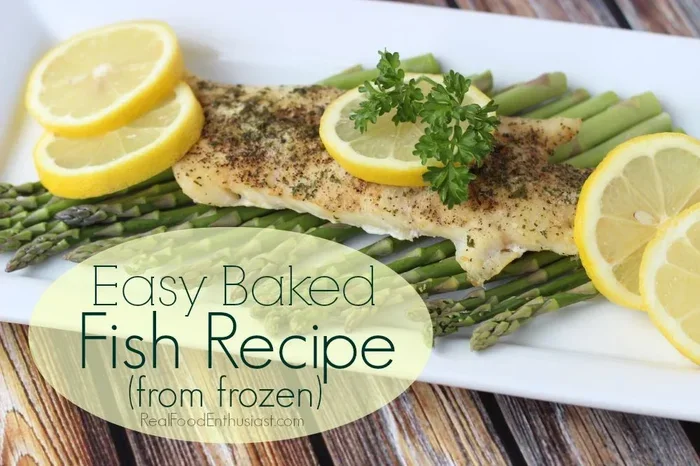
Seasoning is where you can get creative. A simple mix of olive oil, salt, pepper, and garlic powder works wonders on frozen fish. You can also add lemon slices, fresh herbs like dill or parsley, or a sprinkle of paprika for extra flavor.
For a crispy finish, try a light coating of breadcrumbs or panko. This creates a golden crust that adds texture to your oven-baked fish. Just press the breadcrumbs gently onto the surface of the fish before placing it in the oven.
Here are some popular seasoning combos for frozen fish fillets:
- Lemon Herb: Olive oil, lemon zest, garlic, parsley, salt, and pepper.
- Mediterranean: Olive oil, oregano, basil, cherry tomatoes, and a splash of white wine.
- Spicy Cajun: Paprika, cayenne pepper, garlic powder, onion powder, and salt.
- Asian-Inspired: Soy sauce, sesame oil, ginger, and a touch of honey.
Best Oven Temperature For Frozen Fish
Getting the oven temperature right is the most important step when cooking frozen fish. The wrong temperature can lead to dry, overcooked fish or fish that is raw in the middle.
For most types of frozen fish, set your oven to 400°F. This temperature cooks the fish evenly and helps develop a nice golden crust. If you are cooking thicker fillets like salmon or cod steaks, you may want to lower the temperature slightly to 375°F. This gives the inside more time to cook through without burning the outside.
Thinner fillets like tilapia or sole do well at 425°F. The higher heat cooks them quickly and keeps them from drying out. Here is a quick reference table to help you choose the right oven temperature for different types of fish.
| Fish Type | Thickness | Oven Temperature | Approximate Cooking Time |
|---|---|---|---|
| Tilapia | Thin fillets | 425°F | 15-20 minutes |
| Cod | Medium fillets | 400°F | 20-25 minutes |
| Salmon | Thick fillets | 375°F | 25-30 minutes |
| Catfish | Medium fillets | 400°F | 20-25 minutes |
| Mahi-Mahi | Medium fillets | 400°F | 18-22 minutes |
These times are approximate. The actual cooking time depends on how thick the fillets are and whether you are cooking one piece or multiple pieces. Always use a meat thermometer to check that the internal temperature reaches 145°F. That is the safe temperature for cooked seafood.
Why 400°F Is The Sweet Spot
Most experts agree that 400°F is the best oven temperature for frozen fish. At this heat, the fish cooks fast enough to develop a flavorful crust but not so fast that it dries out. The high heat also helps render any natural fats in the fish, adding richness and flavor.
If you want to compare oven techniques for different proteins, our guide on how to cook 15 lb prime rib in the oven offers great insights on oven cooking methods that apply broadly.
Step-By-Step Guide To Baking Frozen Fish
Now that you know the basics, let us walk through the full process step by step. Follow these instructions for consistently great oven-baked frozen fish.
- Preheat your oven to 400°F. Let it fully heat before placing the fish inside.
- Line your baking dish with parchment paper or lightly grease it with olive oil. This prevents sticking and makes cleanup easier.
- Rinse the frozen fish under cold water for about 30 seconds. Pat it dry with a clean towel.
- Season the fish generously with your chosen spices, herbs, and a drizzle of olive oil.
- Place the fish in the baking dish. Leave space between fillets so hot air can circulate around each piece.
- Cover the dish with foil for the first half of cooking. This traps moisture and keeps the fish from drying out.
- Bake for 10-15 minutes with the foil on. This allows the fish to thaw and start cooking through.
- Remove the foil and continue baking for another 10-15 minutes. This is when the crust forms and the fish turns golden.
- Check the internal temperature with a meat thermometer. It should read 145°F at the thickest part.
- Let the fish rest for 2-3 minutes before serving. This allows the juices to redistribute.
Following these steps gives you perfectly cooked frozen fish with a tender interior and a flavorful crust. The foil method is especially important when cooking frozen fish because it prevents the outside from overcooking while the inside thaws.
How Long Does Frozen Fish Take In The Oven?
The cooking time for frozen fish is generally 25 to 30 minutes at 400°F. However, this varies based on the thickness of the fillets and the type of fish. Thinner fillets may be done in as little as 15 minutes. Thicker cuts like salmon steaks might need 35 minutes or more.
A good rule of thumb is to check the fish at the 20-minute mark. Insert a fork into the thickest part. If it flakes easily and appears opaque throughout, it is done. If it still looks translucent in the center, keep baking for a few more minutes.
Tips For Perfectly Crispy Frozen Fish
Getting a crispy exterior on frozen fish is totally achievable. It just takes a few extra steps. Here are our top tips for that restaurant-quality finish at home.
Pat the fish dry before seasoning. Moisture is the enemy of crispiness. The more surface moisture you remove, the crispier the result. After rinsing the frozen fish, use paper towels to press it dry thoroughly.
Use panko breadcrumbs instead of regular breadcrumbs. Panko creates a lighter, crunchier coating that stays crisp even after baking. Toss the fillets in a light layer of flour first, then dip in beaten egg, then press into the panko. This three-step coating method works wonders.
Place the fish on a wire rack over a baking sheet. This allows hot air to circulate underneath the fish, cooking it evenly and preventing a soggy bottom. It is a simple trick that makes a big difference.
Brush the top with a thin layer of oil or melted butter. This adds flavor and promotes browning. It also helps the breadcrumbs adhere better to the surface of the frozen fish.
Do not overcrowd the baking dish. Leave space between each fillet. When pieces are too close together, steam gets trapped and the fish becomes soggy instead of crispy.
For extra flavor, add a squeeze of fresh lemon right after baking. The acidity brightens the fish and cuts through any richness. It is a simple finishing touch that elevates the whole dish.
Common Mistakes To Avoid When Cooking Frozen Fish
Even when you follow a recipe, small mistakes can affect the outcome. Here are the most common errors people make when cooking frozen fish in the oven and how to avoid them.
Mistake 1: Not preheating the oven. Putting frozen fish into a cold oven leads to uneven cooking. The fish thaws slowly in a lukewarm environment, which can make it mushy. Always preheat your oven first.
Mistake 2: Skipping the rinse and dry step. Frozen fish often has a layer of frost or ice crystals on the surface. If you do not rinse and dry the fish, the extra moisture creates steam during baking. This prevents the fish from developing a good crust and can make it taste bland.
Mistake 3: Using the wrong pan. Thin or flimsy pans cause the fish to stick and cook unevenly. Use a sturdy, oven-safe dish or a rimmed baking sheet. Glass, ceramic, or metal all work well for oven-baked fish.
Mistake 4: Overcooking the fish. Frozen fish takes longer to cook than fresh fish, but it is easy to go too far. Overcooked fish becomes dry and chalky. Start checking for doneness a few minutes early. You can always put it back in for a couple more minutes if needed.
Mistake 5: Forgetting to let the fish rest. Just like with other proteins, fish benefits from a short rest after cooking. This allows the juices to settle and the texture to improve. Give it 2-3 minutes out of the oven before serving.
Mistake 6: Using too much seasoning. Frozen fish has a delicate flavor. Heavy seasoning can mask its natural taste. Start with a light hand and adjust to your preference after tasting.
Expert Insights On Oven-Baked Frozen Fish
We spoke with professional chefs and home cooking experts to get their best advice for cooking frozen fish in the oven. Here is what they recommend.
Chef Maria Torres, a seafood specialist with over 15 years of experience, says: “The biggest secret to great oven-baked fish is not overcomplicating it. Good fish needs little. Olive oil, salt, pepper, and a squeeze of lemon. Let the quality of the fish shine through.”
Food scientist Dr. James Chen adds: “When you cook frozen seafood directly, the ice crystals actually help create a buffer zone. This means the outer layers cook at a controlled rate while the inside thaws gently. It is a surprisingly effective method that preserves moisture better than many people realize.”
Another expert tip is to always buy frozen fish from reputable sources. Look for fish that has been flash-frozen, which locks in freshness and texture. Avoid fish with heavy freezer burn or ice buildup, as this indicates it has been stored too long or at inconsistent temperatures.
For those who want to experiment, try pairing your oven-baked fish with seasonal vegetables. Roasted asparagus, steamed broccoli, or sautéed spinach all make excellent sides. The fish and vegetables can even go in the oven at the same time on different racks, saving you time and cleanup.
Key Takeaways
- You can cook frozen fish directly in the oven without thawing first, saving you time and effort.
- The best oven temperature for frozen fish is between 375°F and 425°F, depending on the type of fish.
- Using an oven-safe dish and covering with foil helps keep the fish moist and prevents drying out.
- Checking the internal temperature with a meat thermometer ensures your fish is fully cooked and safe to eat.
- Adding breadcrumbs or seasoning before baking creates a crispy, flavorful exterior on frozen fillets.
- Avoid common mistakes like skipping the thaw rinse, overcooking, or using the wrong pan for best results.
Conclusion
So, can I put frozen fish in the oven? Absolutely yes. Cooking frozen fish in the oven is simple, convenient, and produces delicious results when you follow the right steps. From choosing the correct oven temperature to seasoning and timing, this guide has covered everything you need to know.
Remember to always preheat your oven, pat the fish dry, and use an oven-safe dish. Check the internal temperature to ensure food safety, and do not be afraid to experiment with different seasonings and coatings. Whether you are cooking frozen salmon, cod, or tilapia, the principles remain the same.
The beauty of oven-baked frozen fish is that it fits into any lifestyle. It is perfect for busy weeknights, meal prep, or when you simply forget to thaw dinner. With the tips and techniques in this guide, you will never have to worry about a last-minute fish dinner again. Your frozen seafood can become a regular star of your kitchen with minimal effort and maximum flavor.
Next time you open the freezer and see that bag of frozen fish, you will know exactly what to do. Preheat the oven, season generously, and bake with confidence. Perfect results are just one oven cycle away.
Frequently Asked Questions
Can I cook frozen fish without thawing it first?
Yes, you can cook frozen fish directly in the oven without thawing. In fact, many chefs recommend this method because it helps the fish retain moisture. Just add a few extra minutes to the cooking time and always check that the internal temperature reaches 145°F before serving.
What is the best temperature to bake frozen fish?
The best oven temperature for frozen fish is 400°F for most fillets. Thicker cuts like salmon work well at 375°F, while thinner fillets like tilapia do great at 425°F. This range ensures even cooking and a flavorful crust without drying out the fish.
How long does it take to cook frozen fish in the oven?
Frozen fish typically takes 25 to 30 minutes at 400°F. The exact cooking time depends on the thickness of the fillets and the type of fish. Always check for doneness by testing if the fish flakes easily and reaches an internal temperature of 145°F.
Do I need to cover frozen fish with foil when baking?
Yes, covering frozen fish with foil for the first half of cooking is highly recommended. The foil traps steam and moisture, which helps the fish thaw evenly and stay juicy. Remove the foil for the second half to allow the top to crisp up and turn golden brown.
Can I use a glass dish to bake frozen fish?
Yes, you can use a glass dish to bake frozen fish as long as it is labeled oven-safe. Glass dishes heat evenly and are great for oven-baked fish. If you are unsure about the safety of your bakeware, check our guide on are Pyrex oven safe for more details on which materials work best in the oven.
Why does my frozen fish come out dry after baking?
Dry frozen fish is usually caused by overcooking or not enough moisture during baking. To prevent this, cover the fish with foil for the first part of cooking, do not skip the rinse-and-dry step before seasoning, and always check the internal temperature. Removing the fish from the oven as soon as it hits 145°F keeps it tender and moist.