How Long To Cook Riblets In Oven At 400 For Perfect Results
Cooking riblets in the oven at 400°F typically takes 25 to 35 minutes for crispy, fall-off-the-bone tender results. The key is balancing high heat with proper seasoning and timing. Whether you prefer bone-in or boneless riblets, this guide covers everything you need to know for perfect oven-baked riblets every single time.
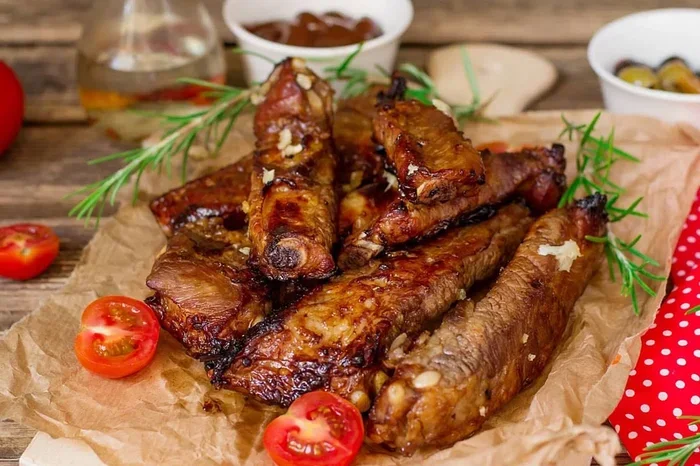
There is nothing quite like pulling a tray of crispy, golden riblets out of the oven. The smell fills the kitchen. The edges are slightly caramelized. And the meat is tender enough to pull away from the bone with just a touch.
If you have been wondering how long to cook riblets in oven at 400, you have come to the right place. This guide walks you through every step. From prep to plating, we cover it all. You will learn the exact timing, the best seasonings, and the little tricks that take your riblets from good to absolutely amazing.
Riblets are a fantastic cut of pork. They are smaller than full ribs, which means they cook faster. They are perfect for weeknight dinners, game day snacks, or a weekend feast. And cooking them at 400°F strikes the ideal balance between speed and flavor. You get a nice sear on the outside while keeping the inside juicy and tender.
Whether you are a beginner in the kitchen or a seasoned home cook looking to refine your technique, this article has something for you. We will break down the cook times, explain why temperature matters so much, and share recipes and tips that work every time. Let us dive in.
Key Takeaways
- Standard Cook Time: Riblets cook in 25 to 35 minutes at 400°F, depending on size and whether they are bone-in or boneless.
- Internal Temperature Matters: Always check that riblets reach 195°F to 203°F for the most tender, juicy results.
- Pat Dry Before Seasoning: Removing excess moisture from the surface helps achieve a beautifully crispy exterior.
- Foil vs. No Foil: Foil keeps riblets moist during cooking, while uncovered cooking creates a crunchier bark and glaze.
- Resting Is Essential: Let riblets rest for 5 to 10 minutes after cooking to lock in juices and improve texture.
- Oven Safety Matters: Always use oven-safe pans and dishes when baking riblets at high temperatures.
- Seasoning Timing: Apply dry rubs at least 30 minutes before cooking, or overnight for deeper flavor penetration.
📑 Table of Contents
- How Long To Cook Riblets In Oven At 400
- Why 400°F Is the Perfect Temperature for Riblets
- Best Seasonings and Rubs for Oven Riblets
- Step-by-Step: How to Cook Riblets in the Oven at 400
- Common Mistakes to Avoid When Cooking Riblets at 400°F
- Pairing Riblets with Side Dishes
- Storing and Reheating Leftover Riblets
- Expert Tips for the Crispiest Riblets Ever
- Frequently Asked Questions
- Conclusion
How Long To Cook Riblets In Oven At 400
The short answer is 25 to 35 minutes at 400°F. But the full picture is a little more nuanced. Several factors influence the exact cook time. These include the size of the riblets, whether they are bone-in or boneless, and how thick the meat is. Let us break it all down.
Bone-In Riblets: 30 to 35 Minutes
Bone-in riblets take a bit longer because the bone slows down heat transfer to the meat. At 400°F, plan for about 30 to 35 minutes. The bone actually does something helpful though. It insulates the meat, keeping it juicy even as the exterior crisps up.
Here is what to expect with bone-in riblets at 400°F:
- First 10 minutes: The oven heat starts to render fat and form a light crust.
- Minutes 10 to 25: The meat slowly cooks through and begins to pull away from the bone.
- Minutes 25 to 35: The exterior turns golden brown and slightly caramelized. The internal temperature reaches the ideal range.
Flip the riblets halfway through cooking. This ensures even browning on both sides. Use a meat thermometer to check doneness. The target internal temperature is 195°F to 203°F for the most tender results.
Boneless Riblets: 20 to 25 Minutes
Boneless riblets cook faster because there is no bone to heat through. At 400°F, they are usually done in 20 to 25 minutes. Because the meat is more uniform in thickness, it cooks more evenly.
Boneless riblets are great for quick weeknight meals. They also work well if you want to cut them into smaller pieces for appetizers or party snacks. Just keep an eye on them. They can go from perfectly done to overcooked quickly.
Thick vs. Thin Riblets
The thickness of your riblets changes everything. Thick riblets need more time. Thin ones need less. Here is a quick comparison:
- Thin riblets (under 1/2 inch): 20 to 25 minutes at 400°F
- Standard riblets (1/2 to 3/4 inch): 25 to 30 minutes at 400°F
- Thick riblets (over 3/4 inch): 30 to 40 minutes at 400°F
Always use a meat thermometer. Visual cues can be misleading, and nobody wants to serve dry riblets. A thermometer takes the guesswork out completely.
Why 400°F Is the Perfect Temperature for Riblets
You might wonder why 400°F specifically. Why not 350°F or 425°F? The answer comes down to how heat interacts with pork and fat. Let us explore why this temperature works so well.
The Maillard Reaction
At 400°F, the surface of the riblets reaches a temperature that triggers the Maillard reaction. This is the chemical process that creates browning and deep, complex flavors. It is the same reaction that makes roasted vegetables taste so good or gives bread its golden crust.
At lower temperatures like 350°F, this reaction happens more slowly. You get a longer cook time, which can dry out the meat. At higher temperatures like 425°F, the outside can burn before the inside is fully cooked. 400°F hits the sweet spot perfectly.
Rendering Fat Without Drying Out Meat
Pork riblets contain a good amount of fat. At 400°F, this fat renders out slowly and evenly. It bastes the meat from the inside. This creates a juicy, tender result with a crispy exterior.
If you cook at too low a temperature, the fat does not render properly. You end up with chewy, greasy riblets. Too high, and the fat drips away too fast, leaving dry meat behind.
How This Compares to Other Cooking Methods
For comparison, cooking riblets at 350°F typically takes 45 to 60 minutes. That is nearly double the time. And cooking on the stove or grill requires constant attention. The oven method at 400°F gives you crispy results with minimal effort and hands-off cooking time.
If you have ever made barbecue meatballs in the oven, you know that 400°F is a versatile temperature for many oven-baked meats. It works beautifully for a range of recipes from meatballs to roasts.
Best Seasonings and Rubs for Oven Riblets
The right seasoning transforms plain riblets into something extraordinary. At 400°F, bold flavors work best because the high heat caramelizes sugars and spices quickly. Here are some tried-and-true options.
Classic BBQ Dry Rub
A simple dry rub is the foundation of great riblets. Here is a basic recipe that works every time:
- 2 tablespoons brown sugar
- 1 tablespoon smoked paprika
- 1 teaspoon garlic powder
- 1 teaspoon onion powder
- 1 teaspoon chili powder
- 1/2 teaspoon cumin
- Salt and black pepper to taste
Mix these together and rub generously over the riblets. Let them sit for at least 30 minutes before cooking. For even deeper flavor, apply the rub the night before and refrigerate overnight.
Sweet and Spicy Glaze
For a sticky, finger-licking glaze, brush the riblets with a mixture of ketchup, brown sugar, apple cider vinegar, and a dash of hot sauce during the last 10 minutes of cooking. The 400°F heat caramelizes the glaze into a beautiful, glossy coating.
Asian-Inspired Marinade
Not in the mood for BBQ? Try an Asian-inspired approach. Mix soy sauce, sesame oil, honey, ginger, and garlic. Marinate the riblets for at least one hour. Bake at 400°F and garnish with sesame seeds and green onions after cooking.
Step-by-Step: How to Cook Riblets in the Oven at 400
Now let us put it all together. Here is a foolproof method for perfect oven riblets every time.
Step 1: Prep the Riblets
Remove riblets from the refrigerator 20 to 30 minutes before cooking. This lets them come closer to room temperature, which promotes even cooking. Pat them dry with paper towels. Moisture is the enemy of crispiness.
Step 2: Season Generously
Apply your chosen rub or marinade. Massage it into every crevice. Do not be shy with the seasoning. The high heat of 400°F can sometimes mute flavors, so a little extra seasoning goes a long way.
Step 3: Arrange on a Pan
Place the riblets on a lined baking sheet. Leave space between each piece so air circulates freely. Crowding the pan leads to steaming instead of roasting, which prevents crispiness.
If you are using a glass dish, make sure it is oven-safe and can handle the 400°F temperature without cracking.
Step 4: Bake at 400°F
Place the pan on the middle rack of your oven. Set a timer for 25 minutes. At the 15-minute mark, flip the riblets. This ensures both sides get evenly crispy.
If you prefer sauced riblets, apply your sauce during the last 5 to 10 minutes. This prevents the sugar in the sauce from burning.
Step 5: Check Internal Temperature
Use a meat thermometer to check the thickest part of the riblet. The target is 195°F to 203°F. If they are not quite there yet, give them another 3 to 5 minutes and check again.
Step 6: Rest and Serve
Remove the riblets from the oven and let them rest for 5 to 10 minutes. This allows the juices to redistribute throughout the meat. Cutting too soon releases all those juices onto the cutting board instead of keeping them in the meat.
Common Mistakes to Avoid When Cooking Riblets at 400°F
Even experienced cooks make mistakes with oven riblets. Here are the most common ones and how to avoid them.
Skipping the Dry-Pat Step
Wet riblets steam instead of roast. Always pat them dry before seasoning. This single step makes a huge difference in the final texture.
Overcrowding the Pan
It is tempting to fit everything on one sheet pan. But overcrowding traps steam and prevents browning. Use two sheet pans if you need to. Your riblets will thank you.
Not Using a Meat Thermometer
Guessing doneness leads to overcooked or undercooked meat. A simple meat thermometer is the best investment you can make for consistent results. It removes all the guesswork.
Opening the Oven Door Too Often
Every time you open the oven door, heat escapes. This can extend cook time and affect even browning. Trust your timer and only open the door when it is time to flip or check temperature.
Applying Sauce Too Early
Sauces with sugar burn quickly at 400°F. Always apply sauces in the last 5 to 10 minutes of cooking. This gives you a glossy, caramelized coating without any charred, bitter spots.
Pairing Riblets with Side Dishes
Riblets are wonderful on their own, but they shine even more alongside the right sides. Here are some ideas to round out your meal.
Classic Pairings
- Coleslaw: The cool, crunchy contrast pairs perfectly with hot, crispy riblets.
- Cornbread: Soak up the juices with a warm piece of homemade cornbread.
- Baked beans: A barbecue staple that complements the smoky flavors of oven riblets.
- Roasted vegetables: Asparagus, Brussels sprouts, or carrots roasted at the same temperature make an easy one-pan side.
Quick Side Dish Idea
For a complete meal in under an hour, start your riblets in the oven and then prepare a simple stovetop stuffing to go alongside. If you are curious about oven stuffing times, check out our guide on how long to cook stuffing in the oven at 400°F. It pairs beautifully with riblets for a hearty dinner.
For a more impressive main course, you could serve riblets alongside a slow-roasted prime rib. While a 15-pound prime rib requires a much longer cook, the two dishes complement each other wonderfully for a special occasion. Learn more about cooking a 15 lb prime rib in the oven for your next gathering.
Storing and Reheating Leftover Riblets
Got leftover riblets? Do not let them go to waste. Proper storage keeps them delicious for days.
- Refrigerator: Store cooked riblets in an airtight container for up to 4 days.
- Freezer: Wrap tightly in foil and freeze for up to 3 months.
- Reheating: Warm in the oven at 350°F for 10 to 15 minutes. Avoid microwaving, which can make the meat rubbery and the coating soggy.
Reheated riblets can be just as good as fresh if you do it right. The oven method preserves the texture best. A quick brush of sauce before reheating adds moisture and flavor.
Expert Tips for the Crispiest Riblets Ever
Here are some pro-level tips that separate good riblets from restaurant-quality ones.
- Dry brine overnight. Salt the riblets and leave them uncovered in the fridge overnight. This draws out moisture, which then gets reabsorbed, seasoning the meat deeply and drying the surface for better browning.
- Use a wire rack. Place riblets on a wire rack over a baking sheet. Air circulates underneath, creating crispiness on all sides evenly.
- Double-cook method. Some pit masters swear by cooking at 275°F first, then finishing at 400°F for 10 minutes. This gives you tender meat with an ultra-crispy exterior.
- Brush with honey in the last 3 minutes. A thin coat of honey creates an incredible sticky glaze that caramelizes beautifully at 400°F.
- Let them rest on a cutting board, not the pan. This prevents the bottom from getting soggy from trapped steam.
Frequently Asked Questions
Can I cook riblets at 350°F instead of 400°F?
Yes, you can. Cooking at 350°F takes longer, usually about 45 to 60 minutes. The meat will still be tender, but you will not get the same level of crispiness on the outside. If you have time and prefer a slower cook, 350°F works well.
How do I know when riblets are done in the oven?
The best way is to use a meat thermometer. Riblets are done when the internal temperature reaches 195°F to 203°F. The meat should pull away from the bone easily, and the exterior should be deeply golden brown. If you do not have a thermometer, check that the meat is no longer pink in the center.
Should I cover riblets with foil when baking at 400°F?
It depends on the texture you want. Covering with foil for the first 20 minutes keeps the meat moist, then removing the foil for the last 10 to 15 minutes creates a crispy exterior. For the crispiest result, bake uncovered the entire time. This is similar to how oven-baked barbecue meatballs develop their caramelized coating when left uncovered.
Can I use frozen riblets in the oven at 400°F?
You can, but it is not recommended. Frozen riblets will cook unevenly because the outside cooks faster than the inside thaws. For best results, thaw riblets in the refrigerator overnight before cooking. If you must cook from frozen, add 10 to 15 minutes to the cook time and check the internal temperature carefully.
What is the difference between riblets and baby back ribs?
Riblets are shorter, meatier cuts taken from the lower part of the rib cage near the sternum. Baby back ribs come from the upper part of the rib cage and are longer and leaner. Riblets cook faster because they are smaller, making them perfect for a quick oven bake at 400°F.
How long do cooked riblets last in the fridge?
Cooked riblets stay fresh in the refrigerator for up to 4 days when stored in an airtight container. For longer storage, freeze them for up to 3 months. Always reheat in the oven rather than the microwave to maintain the best texture and crispiness.
Conclusion
Cooking riblets in the oven at 400°F is one of the easiest and most rewarding things you can do in the kitchen. In just 25 to 35 minutes, you can transform a simple cut of pork into a crispy, juicy, flavor-packed dish that everyone will love.
Remember the key points: pat the riblets dry, season generously, use a meat thermometer, and let them rest before serving. Avoid common mistakes like overcrowding the pan or applying sauce too early. And do not be afraid to experiment with different rubs, glazes, and marinades to find your perfect flavor profile.
Once you master this method, you will never go back to ordering takeout again. Oven-baked riblets at 400°F are fast, foolproof, and absolutely delicious. They are perfect for any occasion, from casual family dinners to holiday gatherings.
So preheat that oven to 400°F, grab your favorite seasoning, and get ready to make the best riblets you have ever tasted. Your kitchen is about to smell incredible, and your taste buds are in for a real treat.