How To Clean Stubborn Oven Glass With These Easy Tips
Cleaning stubborn oven glass doesn’t have to be a nightmare. With the right techniques, you can remove baked-on grease, burnt food, and haze from your oven door in minutes. This guide covers the best oven glass cleaning methods using simple household ingredients like baking soda, vinegar, and hydrogen peroxide. You’ll learn step-by-step approaches that are safe, affordable, and incredibly effective.
There’s nothing worse than peering through a foggy, greasy oven door while your food cooks inside. Stubborn oven glass collects baked-on grease, carbonized food splatters, and haze over time. These deposits build up slowly, and before you know it, your oven door looks almost opaque. The good news is that you don’t need expensive chemical sprays to fix this problem. With the right approach, you can restore your oven glass to crystal-clear condition using items already in your kitchen.
How To Clean Stubborn Oven Glass is a question almost every home cook faces at some point. Whether you bake weekly or rarely use your oven, grease and food residue will eventually coat the glass. The trick is knowing which methods work best for different levels of grime. This guide walks you through every effective technique, from simple DIY solutions to more intensive cleaning approaches. By the end, you’ll have all the knowledge you need to tackle even the worst oven glass stains.
Cleaning oven glass matters for more than just looks. A dirty oven door blocks heat distribution, which affects how your food cooks. Grease buildup can also create unpleasant odors when you heat the oven. In worst cases, thick grime becomes a fire hazard. Regular oven door glass cleaning keeps your kitchen safer, cleaner, and more efficient. Let’s dive into the methods that actually work.
Key Takeaways
- Baking soda paste is the #1 go-to method: It gently dissolves tough grease without harsh chemicals.
- Vinegar boosts the cleaning power: The acid reaction lifts grime from oven glass easily.
- Hydrogen peroxide works on blackened stains: It breaks down carbonized food residue safely.
- Prevent buildup with regular cleaning: Wipe your oven glass after each use to avoid stubborn stains.
- Avoid abrasive scrubbers: They scratch glass and make future cleaning harder.
- Steam cleaning loosens baked-on grime: Boiling water in the oven softens hardened grease quickly.
- Commercial cleaners work when DIY fails: Choose non-toxic options for safety.
📑 Table of Contents
Why Oven Glass Gets So Stubborn
Understanding the problem helps you solve it faster. Oven glass stains aren’t just surface dirt. They’re layers of baked-on grease, melted cheese, carbonized food particles, and cooking oils that have hardened through repeated heating cycles. Each time you use your oven, new layers bond to the old ones. Over months and years, this creates thick, stubborn deposits that resist regular wiping.
Several factors make stubborn oven stains worse. High-temperature cooking, especially broiling and roasting, carbonizes fats and sugars. Spills from acidic foods like tomatoes create discolored marks. Grease from fatty meats coats the glass in a thin film that hardens over time. Even steam from boiling dishes can push grease particles onto the glass surface. The combination of heat, grease, and repeated cooking cycles creates the tough grime you see.
The Science Behind Baked-On Grease
When grease heats above 400 degrees Fahrenheit, it undergoes a chemical change called polymerization. This process turns liquid oil into a hard, plastic-like coating. That’s why simple wiping doesn’t remove it. The grease has essentially bonded to the glass surface at a molecular level. Breaking this bond requires either chemical reaction or sustained soaking. Degreasing oven glass works best when you understand this process.
Best DIY Methods for Cleaning Oven Glass
You don’t need to buy expensive products to clean oven glass. Many household ingredients dissolve baked-on grease effectively. These methods are safe, affordable, and work surprisingly well. Here are the top approaches you can try at home.
Method 1: Baking Soda Paste
This is the most popular and effective method for cleaning stubborn oven glass. Baking soda is a gentle abrasive that breaks down grease without scratching glass.
Here’s how to do it:
- Mix three parts baking soda with one part water to form a thick paste.
- Spread the paste evenly across the oven glass, avoiding the edges.
- Let it sit for at least 30 minutes, or overnight for tough stains.
- Dampen a cloth or sponge and wipe the paste away.
- Rinse with clean water and dry with a soft towel.
For extra cleaning power, add a splash of white vinegar to the paste. The fizzing reaction helps lift trapped grease from the glass surface. This method works on most oven glass cleaning jobs, from light haze to heavy baked-on grime.
Method 2: Baking Soda and Vinegar Soak
This combination creates a powerful cleaning reaction. The vinegar’s acid dissolves mineral deposits and grease, while the baking soda provides gentle abrasion.
Follow these steps:
- Remove the oven glass if your model allows it.
- Soak the glass in a sink filled with hot water, two tablespoons of baking soda, and one cup of vinegar.
- Let it soak for 15 to 30 minutes.
- Scrub gently with a non-abrasive sponge.
- Rinse thoroughly and dry completely.
This oven door glass cleaning method is excellent for removable glass panels. If you can’t remove the glass, apply the baking soda paste first, then spray vinegar on top. Let the reaction work for 20 minutes before wiping.
Method 3: Hydrogen Peroxide for Blackened Stains
When oven glass turns black from carbonized food, regular methods may not be enough. Hydrogen peroxide breaks down carbon deposits effectively.
- Use 3% hydrogen peroxide from the drugstore.
- Apply it directly to the blackened areas.
- Let it sit for 10 to 15 minutes.
- Wipe away with a damp cloth.
- Repeat if needed for heavily stained areas.
Hydrogen peroxide is a safe, non-toxic option that works wonders on burnt oven glass. It’s especially useful for ovens that haven’t been cleaned in a long time. The oxygen released during application lifts carbonized food particles from the surface.
Method 4: Steam Cleaning
Steam softens hardened grease and makes it easier to wipe away. This method works well as a first step before using other cleaning solutions.
- Boil a pot of water on your stovetop.
- Place the pot inside the oven and close the door.
- Let the steam fill the oven for 10 to 15 minutes.
- Remove the pot carefully and wipe the glass with a damp cloth.
- Follow up with baking soda paste for any remaining residue.
Steam cleaning is one of the gentlest approaches to oven glass cleaning. It loosens grime without chemicals or abrasion. This method is perfect for regular maintenance and light to moderate grease buildup.
Method 5: Ammonia Overnight Treatment
Ammonia is a powerful degreaser that dissolves even the toughest oven grime. However, it requires caution because of its strong fumes.
- Place a small bowl of ammonia inside the oven (do not mix it with other chemicals).
- Close the oven door and leave overnight.
- The ammonia fumes break down the grease in the sealed environment.
- The next morning, remove the bowl and wipe the glass with a damp cloth.
- Ventilate the area well during and after the process.
This method is highly effective for stubborn oven stains that won’t respond to gentler approaches. Always use ammonia in a well-ventilated space and never mix it with bleach or other cleaning products.
Commercial Products for Oven Glass Cleaning
When DIY methods don’t do the job, commercial oven glass cleaner products can help. These formulas are specifically designed to dissolve baked-on grease and carbonized food.
Top-Rated Commercial Cleaners
Several products stand out in the market for cleaning oven glass. Look for options labeled safe for glass surfaces and non-toxic when possible.
- Gel-based cleaners: They cling to vertical glass surfaces and work on thick grease layers.
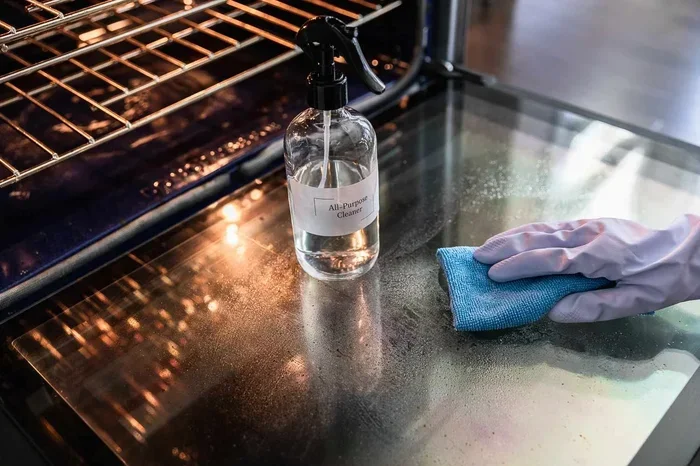
- Spray degreasers: Quick and easy to apply, they work well on light to moderate buildup.
- Foam cleaners: They penetrate stubborn stains and lift grime without heavy scrubbing.
Always follow the product instructions carefully. Wear gloves and ensure proper ventilation when using commercial cleaners. Test any product on a small, hidden area first to avoid damaging the glass or the oven frame.
How to Choose the Right Product
Not all oven cleaners are created equal. Consider these factors when picking a product:
- Check if it’s safe for glass surfaces specifically.
- Look for non-toxic, fume-free options if you have a small kitchen.
- Read reviews to see how well it handles baked-on grease removal.
- Choose a gel formula for vertical oven door glass, as it stays in place.
Preventive Tips to Keep Oven Glass Clean
Cleaning is easier when you prevent heavy buildup in the first place. A few simple habits can save you hours of scrubbing later.
Clean After Every Use
Wipe your oven glass with a damp cloth after each use while it’s still warm. This prevents grease from hardening and bonding to the surface. Even a quick wipe takes less than a minute and keeps your oven looking clean.
Use Oven Liners
Oven liners catch food spills and drips before they reach the glass. Place a liner on the bottom rack to protect both the oven floor and the door glass from grease splatter. Replace the liner regularly for best results.
Cover Dishes When Cooking
Covering baking dishes with foil or lids prevents food splatters from reaching the oven glass. This simple habit dramatically reduces grease buildup over time. It’s one of the easiest ways to maintain clean oven door glass.
Schedule Monthly Deep Cleans
Set a reminder to deep clean your oven glass once a month. Regular maintenance prevents the need for intensive cleaning sessions. A monthly routine keeps your oven in great shape and extends its lifespan.
Common Mistakes to Avoid When Cleaning Oven Glass
Even with the best intentions, people make mistakes that damage oven glass or make cleaning harder. Here are the pitfalls to watch out for.
Using Abrasive Scrubbers
Steel wool, abrasive pads, and rough scrub brushes scratch oven glass. These scratches create tiny grooves where grease accumulates, making future cleaning even harder. Always use soft cloths, microfiber towels, or non-abrasive sponges.
Using Harsh Chemical Cleaners
Strong chemical cleaners can etch or damage oven glass over time. They may also leave behind toxic residues that contaminate your food during cooking. Stick to gentle, food-safe cleaning methods whenever possible.
Ignoring the Rubber Gasket
The rubber seal around the oven door collects grease and food particles too. Neglecting this area leads to odors, poor heat sealing, and uneven cooking. Wipe the gasket gently during your oven door glass cleaning routine.
Scrubbing Too Hard
Force doesn’t always equal results. Scrubbing aggressively can crack or chip oven glass, especially if it already has micro-fractures. Let cleaning solutions do the work for you. Give them time to dissolve the grease before wiping.
Expert Tips for Streak-Free Results
Getting your oven glass truly sparkling takes a few extra steps beyond just removing the grime. These tips ensure a flawless, streak-free finish every time.
- Rinse thoroughly after cleaning: Residue from cleaning solutions can leave streaks on glass.
- Dry with a lint-free cloth: Microfiber towels prevent streaks and leave a clear, shiny finish.
- Clean on a cloudy day: Direct sunlight dries cleaning solutions too quickly, leaving streaks behind.
- Use distilled water for rinsing: Tap water contains minerals that can leave spots on glass surfaces.
- Buff in circular motions: This technique eliminates streaks and gives the glass a polished look.
These oven glass cleaning tips make a noticeable difference in the final result. Streak-free glass lets you see your food cooking clearly and gives your oven a professional, well-maintained appearance.
When to Replace Oven Glass
Sometimes, despite your best efforts, oven glass becomes too damaged to clean effectively. Cracks, chips, or deep scratches compromise the glass’s integrity and should be addressed immediately. Replacing oven glass is often more affordable than replacing the entire unit.
Check with your oven manufacturer for compatible replacement glass panels. Most major brands sell replacement parts directly or through authorized dealers. Regular cleaning and gentle handling can extend the life of your oven glass significantly, but eventually, all glass wears out from repeated use and thermal stress.
Conclusion
How To Clean Stubborn Oven Glass is simpler than most people think. With the right methods and a little patience, you can remove even the worst baked-on grease and carbonized food stains. Baking soda paste, vinegar solutions, hydrogen peroxide, and steam cleaning all offer effective, affordable ways to restore your oven glass to its original clarity. Commercial products are available when DIY methods fall short, but they’re rarely necessary for routine maintenance.
Prevention is your best long-term strategy. Wipe the glass after each use, cover dishes while cooking, and schedule monthly deep cleans. These habits keep your oven glass clean and reduce the need for intensive scrubbing sessions. Avoid common mistakes like using abrasive scrubbers or harsh chemicals that damage the glass over time.
Clean oven glass improves your cooking experience, enhances kitchen safety, and keeps your oven looking its best. Start with the baking soda method today and see the difference for yourself. Your oven deserves the care, and the results will speak for themselves.
Frequently Asked Questions
Can I use oven cleaner on the glass door?
Yes, but choose a cleaner specifically labeled safe for glass. Many commercial oven cleaners are too harsh and can etch or damage glass surfaces over time. Always test on a small area first and follow the product instructions carefully.
How long does it take to clean stubborn oven glass?
It depends on how much buildup there is. Light grime takes about 15 to 20 minutes with baking soda paste. Heavy, carbonized stains may require overnight soaking or multiple treatment rounds. Steam cleaning can speed up the process significantly for most levels of grime.
Is baking soda safe for all types of oven glass?
Yes, baking soda is safe for tempered glass, ceramic glass, and standard oven glass. It’s a gentle, non-abrasive cleaner when used as a paste. Avoid using it with steel wool or rough scrubbers, as the combination can scratch the surface.
Can I clean oven glass without removing it?
Absolutely. Most methods work without removing the glass. Baking soda paste, vinegar spray, and hydrogen peroxide can all be applied directly to the glass while it’s in the oven door. Steam cleaning also works in place. Removing the glass makes the job easier but isn’t always necessary.
What causes white haze on oven glass?
White haze is usually mineral deposits from steam and cooking vapors. It can also come from residue left behind by commercial cleaners. A paste of baking soda and water removes this haze effectively. Rinsing with distilled water after cleaning prevents mineral buildup from returning.
How often should I clean my oven glass?
For best results, wipe the glass after every few uses and do a deeper clean once a month. Heavy users who cook frequently may need to clean every two weeks. Regular maintenance prevents the need for intensive cleaning sessions and keeps your oven looking great.
=== CONCLUSION ===
How To Clean Stubborn Oven Glass becomes manageable once you know which methods work best. Start with the gentlest approach and escalate only if needed. Baking soda paste and vinegar remain the gold standard for most cleaning jobs, while hydrogen peroxide handles the toughest carbonized stains. Prevention through regular wiping and proper cooking habits keeps your oven glass clear between deep cleans. With these tips, your oven door will look as good as new, and your cooking experience will improve every time you open that door.