Does A Convection Oven Cook Faster Than A Regular Oven
A convection oven uses a fan to push hot air around the cooking chamber, which means it cooks food faster than a regular oven. Most users can expect about 25 percent shorter cooking times and more even browning on their dishes. Understanding how each oven type works helps you choose the right one for your home cooking needs.
Cooking at home gets a lot easier when you understand your oven. Many home cooks wonder about the difference between a convection oven and a regular oven. The question comes up a lot in kitchens across the country. Does a convection oven cook faster than a regular oven? The short answer is yes. But the full story is more interesting than just a simple yes or no.
Knowing how your oven works changes the way you cook. It affects your cooking time, your cooking temperature, and even the texture of your food. Whether you are roasting vegetables, baking cookies, or preparing a holiday turkey, the type of oven you use matters. This guide breaks down everything you need to know. You will learn how each oven type works, when to use which one, and how to adjust your favorite recipes.
By the end of this article, you will feel confident choosing the right oven setting for every meal. Let us dive into the world of oven types and find out what makes them different.
Key Takeaways
- Convection ovens cook faster: The fan pushes hot air around, cutting cooking time by up to 25 percent compared to a regular oven.
- Regular ovens heat from top and bottom elements: They work great for recipes that need steady, gentle heat without airflow.
- Temperature adjustments matter: Lower the heat by about 25°F when using the convection setting for best results.
- Not all foods suit convection cooking: Delicate dishes like custards and soufflés may not do well with a fan-forced oven.
- Energy efficiency improves: Shorter cooking times mean less energy used overall, saving on utility bills.
- Recipe conversion is simple: A few small changes make most recipes work perfectly in either oven type.
- Browning and crispiness improve: The moving air in a convection oven promotes better browning and crispy food on every side.
📑 Table of Contents
- Does A Convection Oven Cook Faster Than A Regular Oven? The Short Answer
- How A Convection Oven Works
- How A Regular Oven Works
- Key Differences Between Convection And Regular Ovens
- When To Use Each Oven Type
- Tips For Converting Recipes For Convection Cooking
- Final Thoughts on Convection vs Regular Ovens
Does A Convection Oven Cook Faster Than A Regular Oven? The Short Answer
Yes, a convection oven cooks faster than a regular oven. The fan inside the convection oven moves hot air around the food. This constant flow of air transfers heat more quickly. As a result, your cooking time drops by about 20 to 25 percent. That is a big deal when you are busy preparing a weeknight dinner.
But speed is not the only benefit. The even air circulation in a convection oven also means your food bakes evenly. You get better browning on every side. Your roast comes out crispy on the outside and juicy on the inside. Regular ovens sometimes have hot spots. These are areas where the heat is stronger or weaker. A fan-forced oven reduces this problem almost entirely.
That said, a convection oven is not always the best choice. Some recipes work better in a regular oven. Delicate baked goods, for example, may rise differently with a fan blowing on them. So the answer to does a convection oven cook faster than a regular oven is yes, but knowing when to use each type is the real key to great home cooking.
How A Convection Oven Works
The Role of the Fan and Heating Element
A convection oven has a fan installed near the back of the cooking chamber. This fan blows hot air directly onto your food. In a regular oven, the heat just sits there and slowly warms the air around the dish. In a convection oven, the moving air sweeps across the food surface. This speeds up the cooking process in a big way.
The heating element in a convection oven usually surrounds the fan. This setup creates a uniform flow of hot air. Every part of your food gets the same amount of heat exposure. That is why convection cooking gives you even browning and crispy food every time.
What Makes It Different From a Conventional Oven
A conventional oven relies on radiant heat. The top and bottom heating elements warm the air inside the oven. The hot air rises and the cooler air sinks. This creates a natural cycle called convection, but it is very slow and uneven. There is no fan to force the air movement.
A fan-forced oven, on the other hand, actively pushes the air around. This is a huge difference in cooking speed and heat distribution. The air circulation in a convection oven is much more efficient. Your dishes cook faster and more evenly. This is one of the main reasons convection ovens have become so popular in modern home cooking.
How A Regular Oven Works
Heat Distribution in a Conventional Oven
A regular oven heats food using two main elements. One is at the top and one is at the bottom. The top element provides broiling heat. The bottom element provides baking heat. Together, they warm the oven cavity. But the heat does not move around very much.
Hot air naturally rises, so the top of the oven is hotter than the bottom. This means your food on the upper rack cooks faster than food on the lower rack. It also means you may need to rotate your pans halfway through cooking. This is a common step in many recipes for a regular oven.
When A Regular Oven Works Best
Regular ovens shine when you need gentle, steady heat. Recipes that rely on a slow, even rise work well here. Think about custards, flans, and delicate pastries. These foods need a calm environment. A strong fan blowing on them can disrupt the texture and rise.
A conventional oven is also great for dishes that need a crispy top but a soft interior. Gratins and casseroles benefit from the top-down heat. The broiling element at the top creates a golden crust without overcooking the inside. For these types of recipes, a regular oven is often the better choice.
Key Differences Between Convection And Regular Ovens
Cooking Speed and Time
The biggest difference between these two oven types is cooking speed. A convection oven cooks food faster because the fan moves hot air around the food. This constant contact with heat reduces cooking time significantly. In most cases, you can cut your cooking time by 20 to 25 percent when using a convection oven.
For example, if a recipe says to roast chicken for 60 minutes in a regular oven, the same chicken might be done in about 45 minutes in a convection oven. This is a huge time saver. It also means less energy used, which brings us to the next point.
Heat Distribution and Evenness
Heat distribution is another major difference. A regular oven has hot spots. The area near the top element is hotter. The area near the bottom element is also hotter. The middle of the oven is usually the most even zone. But even there, the heat is not perfectly uniform.
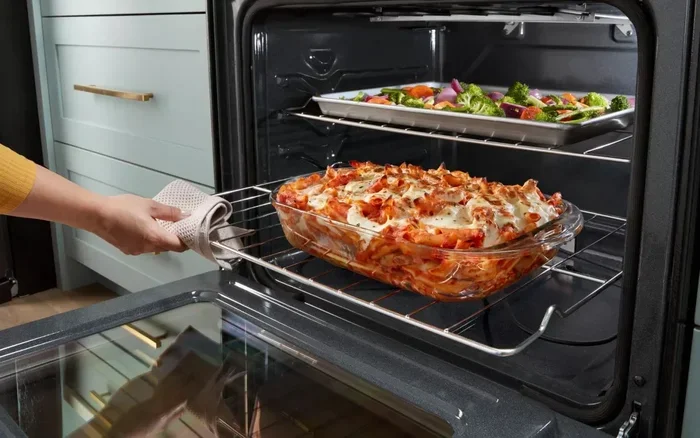
A convection oven solves this problem. The fan forces the hot air to circulate evenly throughout the cooking chamber. Every rack position gets similar heat exposure. Your food bakes evenly on all sides. This is especially helpful when you are roasting multiple trays of vegetables or baking several sheets of cookies at once.
Energy Use and Efficiency
Because a convection oven cooks faster, it uses less energy overall. Even though the fan uses a small amount of electricity, the shorter cooking time more than makes up for it. Over time, this can lead to noticeable savings on your energy bill.
Regular ovens take longer to preheat and longer to cook. The lack of a fan means the heat stays where it is. This can lead to longer cooking times and higher energy use. If energy efficiency matters to you, a convection oven is the clear winner.
Side-by-Side Comparison
| Feature | Convection Oven | Regular Oven |
|---|---|---|
| Cooking Speed | 20-25% faster | Standard speed |
| Heat Distribution | Even, fan-driven | Uneven, radiant |
| Browning | Excellent, crispy food | Good, may need rotation |
| Energy Use | Lower overall | Higher overall |
| Best For | Roasting, baking in bulk | Delicate baked goods |
| Recipe Adjustments | Lower temp by 25°F | No adjustment needed |
| Preheating Time | Faster | Slower |
When To Use Each Oven Type
Best Foods for Convection Cooking
The convection setting is perfect for foods that benefit from dry, even heat. Here are some great choices:
- Roasted meats: Turkey, chicken, pork loin, and beef roast all come out beautifully. The moving air creates a crispy outer layer while keeping the inside juicy.
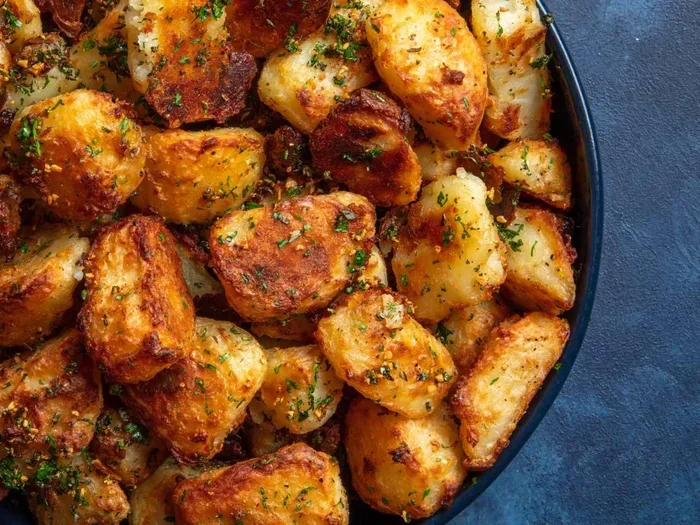
- Root vegetables: Potatoes, carrots, and parsnips roast evenly and develop great flavor.
- Baked goods in bulk: Cookies, scones, and muffins bake evenly when you use multiple trays.
- Pizza: The fan helps create a crispy crust that rivals a pizza stone.
- Reheating leftovers: Food comes out crispy rather than soggy.
For all of these foods, the air circulation in a convection oven makes a noticeable difference. Your cooking time drops and your results improve.
Best Foods for Regular Oven Cooking
Some foods do better without the fan. Here is when to stick with a regular oven:
- Custards and flans: The gentle, still heat prevents the texture from breaking down.
- Soufflés: The rising structure needs calm, undisturbed heat.
- Delicate cakes: Angel food cake and chiffon cake can collapse with too much air movement.
- Bread dough proofing: The fan can dry out the surface of rising dough.
- Creamy gratins: A regular oven lets the top brown gently without overcooking the creamy interior.
These recipes rely on a stable, gentle cooking environment. A fan-forced oven can interfere with the delicate processes involved.
Tips For Converting Recipes For Convection Cooking
Temperature Adjustments
When you switch a recipe from a regular oven to a convection oven, you need to make a simple change. Lower the cooking temperature by 25°F. This is the standard rule of thumb for recipe adjustments. The moving air in a convection oven transfers heat more efficiently. So a lower temperature gives the same result as a higher temperature in a regular oven.
For example, if a recipe calls for 375°F in a regular oven, set your convection oven to 350°F. This small change prevents your food from overcooking on the outside while staying underdone on the inside.
Timing Changes
Along with lowering the temperature, you should also check your food earlier. Start checking about 10 to 15 minutes before the recipe suggests. Since a convection oven cooks faster, your dish may be ready sooner than expected. Use a meat thermometer for roasts and check baked goods with a toothpick.
Over time, you will learn exactly how much time to cut from each recipe. Every oven is slightly different. Keep notes on what works best for your specific convection oven.
Common Mistakes to Avoid
Here are some mistakes home cooks make when using a convection oven:
- Not lowering the temperature: This leads to overcooked or burnt food. Always reduce the heat by 25°F.
- Overcrowding the oven: The fan needs space to circulate air. Do not fill every rack with pans. Leave room for the air to flow around each dish.
- Using the wrong pan: Dark, heavy pans absorb more heat and can cause over-browning. Use light-colored, lightweight baking sheets for best results.
- Forgetting to cover food: Because the air moves constantly, exposed surfaces can dry out faster. Use foil or a lid when needed.
- Ignoring the convection setting: Some ovens have a dedicated convection button. Use it for roasting and baking. Turn it off for delicate items that need still heat.
Avoiding these common mistakes will help you get the best results every time you use your convection oven for home cooking.
Final Thoughts on Convection vs Regular Ovens
So, does a convection oven cook faster than a regular oven? Absolutely. The fan-driven air circulation makes a real difference in cooking speed, heat distribution, and overall results. A convection oven is a fantastic tool for busy home cooks who want better results in less time.
But a regular oven still has its place. Delicate recipes and certain baked goods do better without the fan. The key is knowing which oven type to use for each dish. Once you understand the difference, you can adjust your cooking temperature, timing, and oven settings with confidence.
Both oven types have their strengths. A convection oven excels at roasting, baking in bulk, and creating crispy food. A regular oven shines with delicate, gentle recipes that need calm, even heat. The best cook knows when to use each one.
Start experimenting with your oven today. Try the same recipe in both modes if you have both options available. Notice the difference in cooking time, browning, and texture. You will quickly learn what works best for your kitchen and your cooking style.
The more you cook, the more confident you will become. Understanding your oven is one of the simplest ways to improve your home cooking. So go ahead, try a new recipe, and enjoy the process.
Frequently Asked Questions
Can I use aluminum foil in a convection oven?
Yes, you can use aluminum foil in a convection oven. However, avoid covering more than one-third of the oven floor with foil. The fan needs space to circulate air properly. Blocking too much airflow can lead to uneven cooking and longer cooking times.
Do I need special pans for a convection oven?
No special pans are required, but light-colored, low-sided baking sheets work best. Dark pans absorb more heat and can cause over-browning. Low-sided pans allow the hot air to flow around the food evenly for better cooking results.
Why does my convection oven cook food faster?
The fan inside a convection oven blows hot air directly onto the food. This constant flow of air transfers heat more efficiently than the still air in a regular oven. The result is faster cooking, better browning, and more even heat distribution throughout the cooking chamber.
Should I use convection for baking bread?
It depends on the bread. Convection works well for crusty loaves like baguettes because it creates a crispy exterior. However, for soft breads and enriched doughs, a regular oven is often better. The dry air from the fan can prevent proper rise and create a tough crust on delicate breads.
How much should I reduce the cooking temperature for convection?
The standard rule is to reduce the temperature by 25°F when converting a regular oven recipe to convection. Some cooks reduce it by 20°F for more delicate items. Start with the 25°F reduction and adjust based on your oven and your results over time.
Is a convection oven worth the extra cost?
For most home cooks, yes. The faster cooking time, even heat distribution, and energy savings make a convection oven a smart investment. You also get better browning and crispy food consistently. If you cook frequently, the benefits of a convection oven quickly outweigh the extra cost.
=== CONCLUSION ===
Does a convection oven cook faster than a regular oven? The answer is a clear yes. A convection oven uses a fan to move hot air around the food, which cuts cooking time by up to 25 percent. You also get more even heat distribution, better browning, and improved energy efficiency. These benefits make the convection oven a favorite for many home cooks.
However, a regular oven still has its place. Delicate recipes like custards, soufflés, and soft breads work best with gentle, still heat. Knowing when to use each oven type is the real secret to great cooking.
Start by making simple recipe adjustments when switching between oven types. Lower the cooking temperature by 25°F and check your food a few minutes early. With a little practice, you will master both oven types and enjoy better results in the kitchen every single day.