Why Is My Gas Oven Smoking And What Causes The Smoke
A smoking gas oven is a common problem that worries many homeowners. The main causes include food spills, grease buildup, and a dirty oven interior. Most smoke issues are easy to fix at home with simple cleaning and maintenance. In some cases, smoke signals a serious problem that needs a professional. This guide covers every reason your oven might smoke and how to solve it fast.
Key Takeaways
- Food residue and spills are the #1 cause of oven smoke. Regular cleaning prevents most smoke problems.
- Grease buildup on oven walls and racks creates heavy smoke. Deep cleaning your oven removes this buildup.
- Self-cleaning cycles produce smoke, but it is usually normal. Know the difference between normal and dangerous smoke.
- A clogged burner or gas leak can cause smoke and is a safety risk. Act fast if you smell gas.
- New ovens may smoke during the first few uses. This is normal and usually stops after a few heating cycles.
- Prevention is the best fix. Use oven liners and clean up spills quickly.
- Call a technician if smoke persists after cleaning. Do not ignore ongoing smoke issues.
📑 Table of Contents
- Why Is My Gas Oven Smoking? The Most Common Reasons Explained
- Is It Normal for a Gas Oven to Smoke During Self-Cleaning?
- How to Tell If the Smoke From Your Oven Is Dangerous
- Quick Fixes to Stop Your Gas Oven From Smoking
- Preventing Smoke Buildup in Your Gas Oven
- When to Call a Professional for Oven Smoke Issues
- Comparison: Normal Oven Smoke vs. Dangerous Oven Smoke
- Expert Insight: How Often Should You Clean Your Gas Oven?
- Final Thoughts: Keeping Your Gas Oven Smoke-Free
Why Is My Gas Oven Smoking? The Most Common Reasons Explained
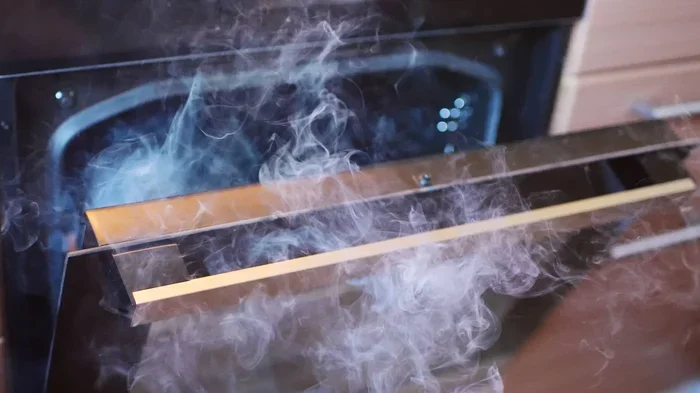
You preheat your oven. You put in your food. Then you notice it — a wisp of smoke curling out from under the door. It is a scary moment. Your first thought might be that your oven is broken. But most of the time, a smoking gas oven has a simple explanation.
Gas oven smoke happens for many reasons. Some are harmless. Others need your attention right away. The good news is that most causes are easy to fix. You do not need to be a repair expert. With a little knowledge, you can figure out what is going on and take action.
This guide walks you through every reason your gas oven might produce smoke. We also cover what to do about each one. Whether your oven smokes during cooking, during a self-clean cycle, or for no clear reason, you will find the answer here.
Food Spills and Residue Are the Top Culprit
Let us start with the most common reason. Food spills and crumbs sit on the oven floor. When you turn up the heat, that food burns. Burnt food creates smoke. It also creates a strong, unpleasant smell.
This happens all the time. A piece of pizza falls. A sauce splashes. A piece of bread crumbs falls to the bottom. You do not notice it. Then you preheat the oven to 400 degrees. That small spill starts to smoke almost immediately.
The fix is simple. Clean your oven regularly. Wipe up spills as soon as the oven cools down. A quick wipe after each use goes a long way. You do not need a deep clean every week. But staying on top of spills keeps smoke away.
Grease Buildup on Oven Walls and Racks
Over time, grease builds up on the inside of your oven. This grease comes from cooking oils, fats, and food juices. When the oven gets hot, that grease starts to smoke. Even a thin layer of grease can produce a lot of smoke.
Oven racks are a big part of this problem. Grease collects on the metal bars. When food sits on those racks, the grease heats up and smokes. The smoke rises and spreads throughout your oven cavity.
Deep cleaning your oven removes this buildup. Use an oven-safe cleaner. Let it sit for the recommended time. Then wipe it all away. Your oven will look and smell brand new. And it will stop smoking from grease.
New Ovens Often Smoke During the First Few Uses
If you just bought a new oven, do not panic. New ovens often smoke during the first few heating cycles. This is completely normal. The smoke comes from the manufacturing residue left inside the oven.
Factories use oils and coatings to protect the oven parts during shipping. When you heat the oven for the first time, those residues burn off. The smoke smells a bit like burning plastic or chemicals. It is not dangerous, but it can be alarming.
To reduce smoke from a new oven, run it empty at a high temperature for about 30 minutes. Open a window for ventilation. Repeat this one or two more times. After that, the smoke should stop completely.
Clogged Burners Block Gas Flow and Create Smoke
Your gas oven uses burners to create heat. Those burners have small holes that let gas flow through. When those holes get clogged, the gas does not burn properly. Instead of a clean blue flame, you get a yellow or orange flame. That flame produces more smoke.
Food debris, grease, and crumbs are the usual culprits. They get into the burner ports and block the gas. The flame becomes weak and uneven. You may notice your food is not cooking evenly, too.
Cleaning your burners is easy. Remove them from the oven. Soak them in warm, soapy water. Use a toothpick or a thin needle to clear out the clogged holes. Dry them completely before putting them back. Your flames should return to a steady blue color.
Is It Normal for a Gas Oven to Smoke During Self-Cleaning?
Many people worry when their oven smokes during a self-cleaning cycle. The answer is yes, some smoke is normal. But there is a line between normal and concerning.
During self-cleaning, the oven heats up to around 900 degrees Fahrenheit. This extreme heat burns off all the food residue and grease inside. The burning process creates a lot of smoke. You may also see flames inside the oven. This is expected.
Here are some tips to manage self-cleaning smoke:
- Remove large food pieces before starting the cycle.
- Turn on your exhaust fan and open a window.
- Stay home while the self-clean cycle runs.
- Do not use the oven for at least an hour after the cycle ends.
If the smoke is excessive or the smell is extremely strong, something might be wrong. A large amount of grease buildup will create more smoke than usual. Consider cleaning the oven manually before running the self-clean cycle.
Self-Cleaning Smoke vs. Dangerous Smoke
Not all smoke during self-cleaning is the same. Normal smoke is light and white or gray. It smells like burning food. It goes away once the cycle finishes.
Dangerous smoke is dark and thick. It smells like burning plastic or electrical components. It does not go away when the cycle ends. This type of smoke could mean a wiring problem or an overheating component.
Trust your instincts. If something does not feel right, turn off the oven. Unplug it if you can. Call a professional for help. Safety always comes first.
How to Tell If the Smoke From Your Oven Is Dangerous
Smoke is not always dangerous. But sometimes it is a sign of a serious problem. You need to know the difference. This section helps you identify when oven smoke is a warning sign.
Signs the Smoke Is Not Normal
Watch for these red flags:
- The smoke is black or dark gray. This often means something is burning plastic or electrical insulation.
- You smell gas along with the smoke. A gas smell is a serious safety issue. Leave the area and call your gas company.
- The smoke does not go away after the oven cools. Normal smoke from food or grease stops once the heat source is removed.
- You see sparks or flames inside the oven. This is never normal and requires immediate action.
- The oven smoke comes with a burning electrical smell. This could mean a wiring fault or a failing component.
What To Do If You Suspect a Gas Leak
If you smell gas and see smoke, do not ignore it. Gas leaks are extremely dangerous. Here is what you should do right away:
- Turn off the oven immediately.
- Do not use any electrical switches near the oven.
- Open windows and doors to ventilate the area.
- Leave the house if the smell is strong.
- Call your gas company from outside the home.
- Call emergency services if you suspect a leak.
Do not try to fix a gas leak yourself. Always let a professional handle it. A gas leak can lead to fire or explosion. Take it seriously every single time.
Quick Fixes to Stop Your Gas Oven From Smoking
Now that you know the common causes, let us look at the solutions. Most smoke problems can be fixed quickly at home. Here are the best quick fixes.
Clean the Oven Interior
A dirty oven is the number one cause of smoke. Cleaning the interior removes food residue and grease. Use an oven cleaner spray or a homemade paste of baking soda and water.
Apply the cleaner to the inside walls, the floor, and the door glass. Let it sit for at least 30 minutes. Wipe it away with a damp cloth. Rinse thoroughly. Your oven will be smoke-free after a good cleaning.
Clean the Oven Racks
Oven racks collect grease and food bits over time. When you cook, that buildup smokes. Remove the racks and soak them in hot, soapy water. Scrub them with a non-abrasive sponge.
For tough grease, make a paste of baking soda and water. Apply it to the racks and let it sit for an hour. Scrub again and rinse clean. Dry the racks completely before putting them back in the oven.
Check and Clean the Burners
Clogged burners create uneven flames and extra smoke. Remove the burner caps and the base ports. Soak them in warm soapy water. Use a pin or toothpick to clear any blocked holes.
Clean the area around the burners, too. Crumbs and grease often collect there. A quick wipe-down keeps the burners clear and the flames steady.
Use Oven Liners
Oven liners are a simple but effective tool. They sit on the bottom of the oven and catch food spills and drips. When the liner gets dirty, you just throw it away or wash it.
Oven liners are especially helpful if you cook a lot of messy foods. They reduce the amount of cleaning you need to do. And they keep smoke to a minimum.
Run a Steam Clean
Many modern ovens have a steam clean feature. This uses water and low heat to loosen grime. It is gentler than self-cleaning and produces less smoke.
To use steam clean, add a cup of water to the oven floor. Run the cycle for about 20 minutes. The steam loosens the food residue. Then you just wipe it away with a cloth. It is fast, easy, and effective.
Preventing Smoke Buildup in Your Gas Oven
Prevention is always better than fixing a problem after it starts. A few simple habits keep your oven clean and smoke-free.
Clean Up Spills Right Away
The best habit you can build is cleaning up spills immediately. When the oven cools down after cooking, wipe the floor and walls. Do not let food sit and bake on for hours or days.
Keep a damp cloth near the oven. A quick wipe after every use takes seconds. Over time, this habit saves you from heavy cleaning sessions and smoke problems.
Use Parchment Paper and Baking Sheets
Parchment paper catches drips and prevents food from sticking to the oven floor. It is a simple way to protect the inside of your oven.
Just make sure the parchment paper does not touch the heating elements. It should stay flat on the baking sheet. If it touches a hot element, it can smoke or even catch fire.
Control Your Cooking Temperature
Cooking at very high temperatures causes more splattering and smoking. When possible, use lower temperatures for longer cooking times.
For example, instead of roasting at 450 degrees, try 400 degrees. You may need to add a few extra minutes. But the lower heat reduces smoke and keeps your oven cleaner.
Schedule Regular Oven Maintenance
Just like any other appliance, your oven needs regular maintenance. A deep clean every few months keeps grease and grime under control.
Check the burners, the oven door seal, and the temperature sensor during maintenance. Make sure everything is working properly. A well-maintained oven runs better and produces less smoke.
When to Call a Professional for Oven Smoke Issues
Most smoke problems are easy to fix. But some situations need a professional touch. Do not try to repair gas or electrical issues yourself. It is not safe.
Call a technician if you notice any of these signs:
- The oven smokes even after a thorough cleaning. There may be an internal issue you cannot see.
- The oven temperature is off. A faulty temperature sensor can cause overheating and smoke.
- The oven door seal is damaged. A broken seal lets heat escape and creates uneven cooking.
- You see sparks or electrical arcing inside the oven. This is a wiring problem.
- The gas smell persists after you turn off the oven. There could be a gas line issue.
A qualified technician can diagnose the problem safely. They have the tools and training to handle gas and electrical components. Do not put yourself at risk by trying to fix these issues on your own.
Common Mistakes That Make Oven Smoke Worse
Many people make mistakes that worsen their oven smoke problem. Here are the most common ones:
- Ignoring small spills. They turn into big smoke problems over time.
- Using too much oven cleaner. Excess cleaner can itself smoke when heated.
- Not cleaning the burners regularly. Clogged burners cause uneven flames and smoke.
- Overloading the oven. Too much food blocks airflow and causes smoke.
- Skipping the self-clean cycle. Letting grease build up for months leads to heavy smoke.
Avoid these mistakes and your oven will stay cleaner and smoke-free for longer.
Comparison: Normal Oven Smoke vs. Dangerous Oven Smoke
| Type of Smoke | Color | Smell | Duration | Action Needed |
|---|---|---|---|---|
| Normal from food spills | White or light gray | Burnt food | Stops when oven cools | Clean oven |
| Normal from grease | White or gray | Greasy, burnt | Stops when oven cools | Deep clean oven |
| Normal during self-clean | White to light gray | Burnt residue | Stops after cycle ends | Ventilate area |
| Normal from new oven | White or light gray | Burning plastic/chemicals | Stops after 2-3 heat cycles | Ventilate and run empty cycles |
| Dangerous – electrical | Dark gray or black | Burning plastic or insulation | Continues after oven off | Turn off oven, call professional |
| Dangerous – gas leak | May be minimal | Rotten eggs or sulfur | Continues | Leave area, call gas company |
Expert Insight: How Often Should You Clean Your Gas Oven?
According to appliance experts, you should clean your oven at least once a month if you use it frequently. If you cook every day, a quick wipe-down after each use keeps things manageable.
A full deep clean every three to four months is ideal. This includes removing the racks, cleaning the burners, and scrubbing the interior walls. If you use the self-clean cycle, do it every six months or as needed.
Regular cleaning is the single best thing you can do to prevent oven smoke. It also extends the life of your appliance and keeps your food tasting better.
Final Thoughts: Keeping Your Gas Oven Smoke-Free
A smoking gas oven is almost always fixable. Most of the time, the cause is simple. Food spills, grease buildup, and clogged burners are the usual suspects. A good cleaning session solves the problem in most cases.
Remember that some smoke is normal. New ovens smoke during their first few uses. Self-cleaning cycles produce smoke. These are expected and not a cause for alarm.
But trust your instincts. If the smoke seems unusual or comes with a gas smell, take action immediately. Safety is the top priority. When in doubt, call a professional.
Keep your oven clean. Use oven liners. Clean up spills quickly. And schedule regular maintenance. These simple habits keep your gas oven running smoothly and smoke-free for years to come.
Now that you know the answer to why is my gas oven smoking, you can tackle the problem with confidence. Start with a thorough cleaning. Check the burners. And keep up with regular maintenance. Your oven will thank you with clean, smoke-free cooking every single time.
Frequently Asked Questions
Why does my gas oven smoke when I first turn it on?
Smoke when you first turn on the oven is often from food residue or grease that was left behind from the last cooking session. The heat burns off that residue, creating smoke. Cleaning the oven regularly prevents this from happening.
Is it safe to use a gas oven that is smoking?
It depends on the type of smoke. Light white smoke from food spills or grease is usually safe. But dark smoke, smoke with a burning plastic smell, or smoke accompanied by a gas odor is not safe. Turn off the oven and investigate or call a professional.
How do I clean my gas oven to prevent smoke?
Remove the oven racks and soak them in warm soapy water. Use an oven cleaner spray or a baking soda paste on the interior walls and floor. Let it sit for 30 minutes, then wipe clean. Clean the burner ports with a toothpick to remove any clogs.
Can a dirty oven cause smoke even when I am not cooking?
Yes, a dirty oven can produce smoke even when idle. Residual grease and food particles on the oven walls or floor can smoke when the oven heats up for a self-clean cycle or a preheat setting. Keeping the oven clean prevents this.
Why does my oven smoke more when I cook fatty foods?
Fatty foods release oils and grease when heated. These oils splatter on the oven walls and floor. When the oven gets hot, that grease smokes. Using a baking sheet or parchment paper helps catch the drips and reduces smoke.
When should I replace my gas oven instead of repairing it?
Consider replacing your oven if it smokes consistently even after deep cleaning, if you notice electrical issues, or if repair costs exceed half the price of a new unit. An old or damaged oven can be a safety risk, so do not hesitate to upgrade when needed.
=== CONCLUSION ===
Why is my gas oven smoking is a question with many possible answers. The most common causes are food spills, grease buildup, clogged burners, and new oven residue. Most of these issues are easy to fix with regular cleaning and simple maintenance.
Remember that some smoke is normal during self-cleaning or when cooking fatty foods. But dark smoke, gas smells, or electrical burning smells are warning signs. Take them seriously and act fast.
By following the tips in this guide, you can keep your gas oven clean, safe, and smoke-free. Start with a thorough cleaning today. Make it a habit to wipe up spills right away. And schedule regular maintenance to catch problems early.
Your oven works hard for you every day. Give it the care it deserves. A little effort goes a long way toward preventing smoke and keeping your kitchen safe and comfortable.