How To Use A Smeg Oven The Ultimate Step By Step Guide
Our ultimate guide teaches you how to use a Smeg oven like a pro. You will learn setup, settings, cooking tips, cleaning, and troubleshooting. Whether you own a vintage-style Smeg or a modern model, this guide covers everything you need to cook with confidence.
So, you just got a Smeg oven. Maybe it was a gift, or maybe you finally treated yourself to that iconic retro fridge that led you down a kitchen appliance rabbit hole. Either way, you are probably staring at that beautiful stainless steel door and wondering what on earth to do next.
Learning how to use a Smeg oven is simpler than you think. These ovens combine vintage charm with modern cooking technology. They look stunning on your countertop, and they perform just as well as any high-end appliance you would pay three times as much for. But to get the most out of yours, you need to know a few key things.
In this guide, we walk you through everything. From the very first setup to cooking your first meal, we have got you covered. You will learn about each setting, how to position your food, and how to keep your oven running smoothly for years. Let us dive in.
Key Takeaways
- Setup matters: Proper first-use preparation ensures safe and efficient cooking from day one.
- Master the settings: Understanding Smeg oven modes like convection, bake, and roast unlocks better results.
- Cleaning keeps it running: Regular maintenance extends your oven’s life and keeps food tasting great.
- Rack placement is key: Positioning racks correctly affects even cooking and browning.
- Troubleshooting is easy: Most common issues have simple fixes you can do at home.
📑 Table of Contents
Getting To Know Your Smeg Oven
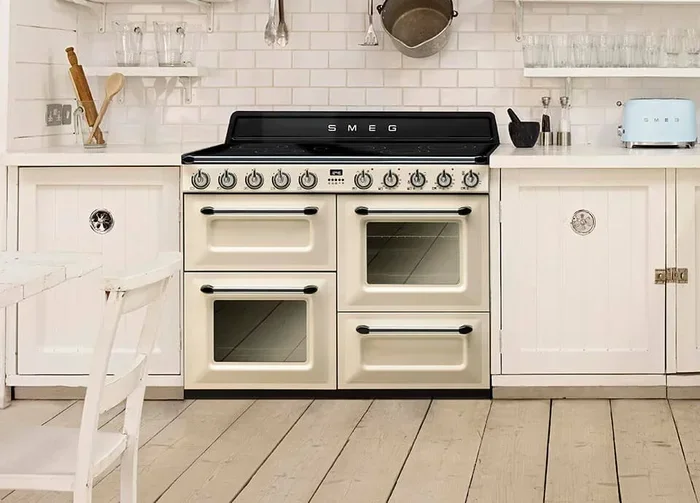
Before you even turn on your Smeg oven, it helps to understand what makes it special. Smeg is an Italian brand known for retro-designed kitchen appliances. Their ovens stand out with rounded edges, bold color options, and that unmistakable mid-century modern look. But underneath the beautiful exterior, you will find serious cooking power.
Most Smeg ovens come in two styles. You have the built-in models that slide into your kitchen cabinetry, and the standalone countertop versions. Both types offer similar cooking functions. The main difference is how they fit into your kitchen space.
Key Features Of A Smeg Oven
Here are the features you will find on most Smeg oven models:
- Multiple cooking modes including bake, roast, grill, and convection
- Digital or analog controls depending on your model
- Temperature range typically from 50°C to 250°C (122°F to 482°F)
- Timer function with audible alert when cooking is done
- Interior lighting so you can check on your food without opening the door
- Removable crumb tray for easy cleaning
- Double glazing on the oven door for heat retention and safety
Understanding these features is the first step toward mastering your Smeg oven. Each one plays a role in how your food turns out. So take a moment to locate them on your specific model before you start cooking.
Setting Up Your Smeg Oven For First Use
Setting up a new Smeg oven is straightforward, but skipping this step can cause problems later. The first thing you want to do is remove all packaging materials. Check for any stickers, plastic wraps, or protective films left behind from manufacturing.
Step-by-Step Setup Process
Follow these steps to get your Smeg oven ready for its first cook:
- Place the oven in your desired location. Make sure there is enough ventilation around it. Built-in models need proper cabinet clearance.
- Plug the oven in and confirm the power indicator lights up on the display.
- Clean the interior with a soft damp cloth. New ovens often have a slight manufacturing residue or odor.
- Run an empty heat cycle at 200°C for about 15 minutes. This burns off any remaining factory residues.
- Wipe down the interior again after the cycle. Your oven is now ready for real cooking.
Many people skip that empty heat cycle, but trust us, it makes a difference. You will notice less odor when you cook your first meal. This simple step also helps you verify that all the heating elements are working properly before you put real food inside.
Quick Tip: Place a lemon sliced in a bowl inside the oven during the empty heat cycle. It helps neutralize any lingering factory smells and leaves a fresh scent behind.
Understanding Smeg Oven Settings And Functions
This is where the magic happens. Smeg ovens offer a range of cooking modes designed for different types of meals. Knowing what each setting does will transform the way you cook. Let us break them down.
Bake Mode
The bake function is your go-to for cakes, cookies, bread, and casseroles. In this mode, the bottom heating element warms the oven evenly. It creates a consistent temperature that surrounds your food from below. This is perfect for recipes that need steady, gentle heat.
When using bake mode, always preheat your Smeg oven. Most recipes call for a preheated oven, and baking in a cold oven leads to uneven results. Give your Smeg about 10 to 15 minutes to reach the target temperature before placing your dish inside.
Roast Mode
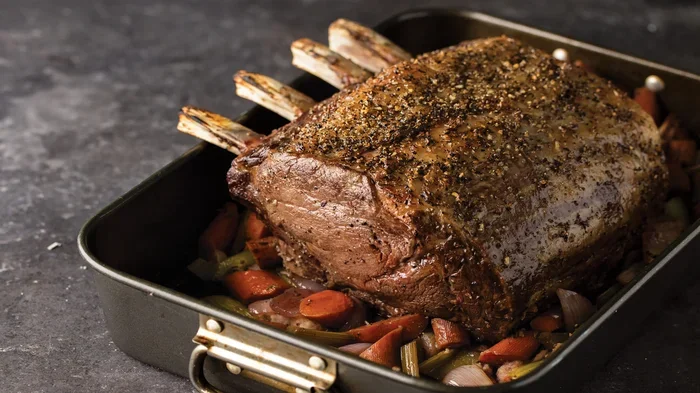
Roast mode uses both the top and bottom heating elements. This creates intense, even heat that is ideal for roasting meats, vegetables, and whole poultry. The top element browns the surface while the bottom element cooks the interior thoroughly.
Use roast mode when you want a crispy outer layer on a pork shoulder or golden-brown chicken. The high heat sears the outside while locking in juices. This mode works beautifully for Sunday roasts and holiday meals.
Convection Mode
Convection cooking uses a fan to circulate hot air throughout the oven cavity. This is a game changer for even cooking. The fan distributes heat so that every rack position cooks at the same temperature.
When to use convection mode:
- Baking multiple trays of cookies at once
- Roasting vegetables on different racks
- Cooking pastries that need even browning on all sides
- Reheating leftovers without drying them out
One important thing to remember: convection cooking generally requires lowering the temperature by about 10 to 20 degrees compared to conventional baking. This prevents overcooking and ensures your food comes out perfectly golden.
Grill Mode
The grill function activates the top heating element at high intensity. It is perfect for melting cheese on casseroles, toasting bread, or getting a crispy finish on the top of dishes. Use grill mode in short bursts to avoid burning your food.
Keep a close eye on anything under the grill. The top element generates intense direct heat, and food can go from perfectly browned to burnt in seconds. A good rule of thumb is to stay within arm’s reach when using this mode.
Defrost Function
Many Smeg ovens include a defrost setting that uses room-temperature air to thaw frozen foods gently. This is much safer than leaving food out on the counter where bacteria can grow. Use this function for meats, frozen vegetables, and baked goods you want to thaw overnight.
Cooking With Your Smeg Oven: Practical Tips
Now that you understand the settings, let us talk about how to actually cook with your Smeg oven. These tips will help you get better results every single time you turn it on.
Oven Rack Positioning
Where you place your oven rack matters more than most people realize. The position affects how much heat your food receives and how evenly it cooks.
- Bottom rack: Best for dishes that need strong bottom heat like pizzas and crusty breads
- Middle rack: The default position for most baking and roasting. It offers the most even heat distribution
- Top rack: Ideal for dishes that need more top browning or when using the grill function
For best results, rotate your pans halfway through cooking. Even with convection, hot spots can exist in any oven. A simple half-turn ensures everything browns evenly.
Preheating Your Smeg Oven
Always preheat. This cannot be stressed enough. Preheating allows the oven to reach a stable temperature before your food goes in. Without preheating, your cake might rise unevenly, your cookies might spread too much, and your roast might cook inconsistently.
Most Smeg ovens have a preheat indicator light or signal. Wait until it turns off or changes before loading your food. This usually takes 10 to 15 minutes depending on the temperature you are targeting.
Temperature Accuracy And Calibration
Over time, oven thermostats can drift slightly out of calibration. If you notice your food consistently overcooking or undercooking, consider investing in an oven thermometer. Place it inside your Smeg oven and compare the reading to the dial setting.
Most Smeg ovens are well-calibrated from the factory. But if yours is off by more than 10 degrees, you can usually adjust it through the settings menu or by contacting Smeg customer support. Some models allow manual temperature offset adjustments for precise cooking.
Expert Insight: Professional bakers recommend keeping an oven thermometer inside your Smeg at all times. It takes the guesswork out of temperature and helps you achieve bakery-quality results at home.
Cooking Times And Adjustments
Every recipe you follow was likely tested in a standard home oven. Smeg ovens perform similarly, but there are a few adjustments worth noting:
- Convection mode typically reduces cooking time by 20 to 25 percent compared to conventional bake mode
- Fan-assisted models cook more evenly, so you can place multiple dishes inside without flavor transfer
- Glass or dark pans absorb more heat and may require slightly shorter cooking times
- Light-colored metal pans reflect heat and are better for delicate baked goods
Keep a cooking log if you are experimenting. Note down temperatures, times, and results. Over time, you will develop an intuition for exactly how your Smeg oven performs with your favorite recipes.
Cleaning And Maintaining Your Smeg Oven
A clean oven cooks better and lasts longer. Smeg ovens are designed with maintenance in mind, but regular care makes all the difference. Here is how to keep yours looking and performing like new.
Daily Cleaning Habits
After each use, wait for the oven to cool down slightly but not completely. Wipe up any spills or crumbs while they are still warm and soft. Use a damp cloth with mild soap. Avoid abrasive cleaners or steel wool, as these can scratch the interior coating.
Empty the crumb tray regularly. Most Smeg ovens have a removable tray at the bottom. Slide it out, empty the debris, and wipe it clean. This simple habit prevents smoke and odors during future cooking sessions.
Deep Cleaning Schedule
Set a schedule for deeper cleaning. Once a month is usually sufficient for regular home use. Here is a simple deep cleaning routine:
- Remove the oven racks and soak them in warm soapy water
- Make a paste of baking soda and water. Spread it on the interior walls and floor of the oven
- Let it sit for 15 to 20 minutes to loosen grease and grime
- Wipe clean with a damp cloth. Use a soft brush for stubborn spots
- Clean the door glass with a glass cleaner or vinegar-water solution
- Replace the racks once everything is dry
Self-Clean Feature
Some Smeg oven models include a self-clean cycle. This feature heats the oven to very high temperatures, burning off food residue and grease into ash. The ash can then be easily wiped away.
Use the self-clean function sparingly. It consumes a lot of energy and can produce smoke if there are large food deposits inside. Always remove loose debris before running the cycle, and make sure your kitchen is well-ventilated.
Quick Tip: Place a small bowl of water inside the oven before running the self-clean cycle. The steam helps loosen baked-on grime and reduces smoke during the process.
Troubleshooting Common Smeg Oven Issues
Even the best appliances occasionally have quirks. Most Smeg oven problems are easy to fix without calling a technician. Here are the most common issues and how to solve them.
Oven Not Heating Up
If your Smeg oven fails to heat, check the power source first. Make sure it is properly plugged in and the circuit breaker has not tripped. If power is not the issue, the heating element may have burned out. You can visually inspect the element through the oven window for visible damage or breakages.
Uneven Cooking Results
Uneven cooking usually points to rack placement or a faulty fan in convection models. Try repositioning your food to the middle rack. If the problem persists, check that the convection fan is running. You should hear a gentle hum during convection mode. If it is silent, the fan motor may need replacement.
Oven Light Not Working
A dead oven light is annoying but easy to fix. First, check if the bulb has blown. Smeg ovens use standard appliance bulbs that are widely available. Turn off the oven, let it cool completely, and replace the bulb following your user manual instructions.
Strange Odors During First Few Uses
It is completely normal for a new Smeg oven to produce mild odors during the first several uses. This is just residual manufacturing materials burning off. Running empty heat cycles as described in the setup section should eliminate this within three to four uses.
Common Mistake: Many users panic when they see steam or light smoke during the first few cook cycles. This is normal and not a sign of malfunction. However, if you see heavy smoke or smell burning plastic, turn off the oven immediately and contact Smeg support.
Conclusion
Using a Smeg oven is a genuinely enjoyable experience. From the moment you unbox it to the first delicious meal you pull out of that beautifully designed cavity, you will understand why this brand has such a loyal following. The combination of retro aesthetics and modern cooking performance is hard to beat.
Remember that how to use a Smeg oven comes down to understanding the settings, positioning your food correctly, and maintaining the appliance with regular care. Once you master these basics, you will cook with confidence and creativity. Try new recipes, experiment with different modes, and most importantly, enjoy the process.
Your Smeg oven is more than just a kitchen appliance. It is a centerpiece that brings style and function together. Treat it well, and it will reward you with countless memorable meals for years to come. Happy cooking!
Frequently Asked Questions
What temperature should I preheat my Smeg oven to for baking?
Most baking recipes call for preheating to 175°C to 190°C (350°F to 375°F). Always check your specific recipe and allow your Smeg oven at least 10 to 15 minutes to reach the target temperature before placing your food inside.
Can I use metal pans in a Smeg oven?
Yes, you can use metal pans in a Smeg oven. Stainless steel, aluminum, and cast iron are all safe options. Avoid pans with plastic or wooden handles that are not heat-resistant, as they can melt or scorch at high temperatures.
How do I clean the glass door on my Smeg oven?
Mix equal parts water and white vinegar in a spray bottle. Spray the glass, let it sit for a few minutes, and wipe clean with a soft cloth. For stubborn spots, make a paste of baking soda and water, apply it gently, and rinse thoroughly.
Is the Smeg oven self-cleaning?
Some Smeg oven models include a self-clean cycle that uses high heat to burn off food residue. Check your specific model’s user manual to confirm whether this feature is included. Even with self-cleaning, manual cleaning of racks and the crumb tray is still recommended.
Why does my Smeg oven smell like burning when I first use it?
A slight burning smell during the first few uses is completely normal. It comes from residual manufacturing oils and materials inside the oven. Running two or three empty heat cycles at 200°C should eliminate the odor entirely.
Can I cook frozen food directly in my Smeg oven?
Yes, you can cook frozen food directly in a Smeg oven. However, cooking times will be longer than for thawed food. Use the convection mode for more even results, and always check that the food is fully cooked through before serving.
=== END ===