Where To Place Cake In Oven For Perfect Baking Results
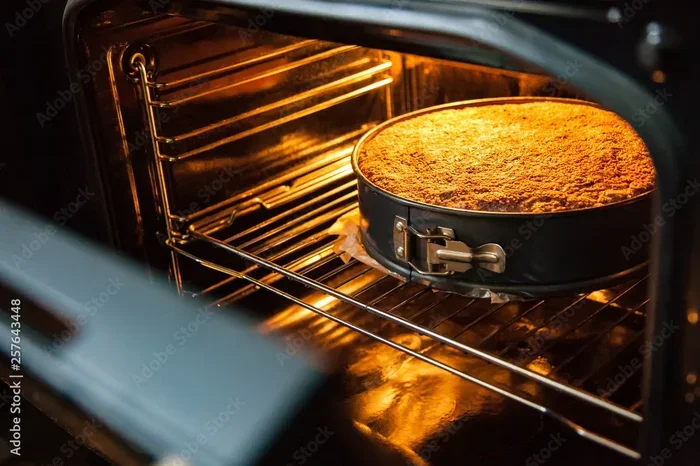
Placing your cake in the right spot inside the oven is the single biggest factor for even baking. The center rack almost always delivers the best results for cake baking, ensuring hot air flows evenly around the pan. Whether you use a convection oven or a conventional oven, rack position directly affects how your cake rises, browns, and turns out.
This is a comprehensive guide about Where To Place Cake In Oven.
Key Takeaways
- Center rack is king: Placing your cake on the center rack ensures the most even heat distribution for perfect baking results.
- Avoid top and bottom racks: These positions cause uneven browning, burning, or undercooking due to direct heat exposure.
- Convection ovens need adjustment: Lower the temperature by 25°F and monitor baking time closely when using fan-forced settings.
- Pan size and oven type matter: Dark pans absorb more heat, while glass pans need careful placement to prevent cracking.
- Use an oven thermometer: Many ovens run hot or cold, so an accurate thermometer helps you place the cake at the right baking temperature.
- Rotate halfway through: Even on the center rack, rotating your cake halfway ensures uniform golden brown crust on all sides.
[FEATURED_IMAGE_PLACEHOLDER]
Baking a cake feels like magic. You mix the batter, pour it into a pan, and wait for that beautiful rise. But here is the thing most beginners miss: where to place cake in oven makes or breaks the final result. You could follow the perfect recipe, use premium ingredients, and still end up with a sunken middle or a burnt top. The culprit is often rack placement.
Think of your oven as a small room with its own weather patterns. Heat moves differently depending on where you stand inside that space. Some spots are hotter. Some are cooler. Some have direct heat blasting from the bottom element, while others catch the hot air rising from above. Placing cake in oven the wrong way means fighting against these natural patterns instead of working with them.
This guide walks you through everything you need to know about cake rack placement. We will cover the best rack position, what happens when you place your cake too high or too low, how different oven types change the game, and simple tips that guarantee better cakes every single time. Whether you are baking a birthday cake or a simple vanilla sponge, this article has you covered.
If you have ever wondered why your neighbor’s cake comes out picture-perfect while yours falls flat, the answer might just be a rack position away. Let us fix that right now.
Why Oven Rack Placement Matters for Cake Baking
Your oven is not a uniform box of heat. It has hot zones, cold zones, and airflow patterns that shift depending on the rack level you use. Understanding these dynamics is the first step toward perfect cake placement.
How Heat Moves Inside an Oven
Heat in an oven moves in three main ways: conduction, convection, and radiation. The bottom element radiates heat upward. The top element radiates heat downward. Hot air naturally rises, creating a circular flow pattern inside the cavity. This means the top of the oven is generally hotter than the bottom, and the sides are cooler.
When you place a cake pan on a specific rack, you are essentially choosing which heat source it receives the most exposure to. A cake on the top rack gets blasted by downward radiation from the upper element. A cake on the bottom rack sits close to the upward radiation from the lower element. The center rack sits in the sweet spot where rising hot air circulates most evenly around the pan.
The Science of Even Heat Distribution
Even heat distribution is the holy grail of cake baking. When heat surrounds the pan uniformly, the batter rises evenly, the crust forms at a steady pace, and the interior cooks through without drying out the edges. Uneven heat, on the other hand, causes domed tops, cracked surfaces, soggy bottoms, or burnt edges.
Placing cake in oven on the center rack gives you the most balanced heat exposure from all directions. This is why almost every professional baker and baking instructor recommends the center position as the default starting point. It is not a guess. It is physics working in your favor.
One thing to keep in mind: every oven is slightly different. Older models may have more uneven heat distribution than newer ones. If you suspect your oven runs hot in certain spots, consider using an oven thermometer to verify actual temperatures. This small tool can completely transform your baking results.
The Best Position: Center Rack Explained
The center rack is the gold standard for cake baking position. But what exactly makes it so good, and how do you position your pan correctly once it is on that rack?
Why the Center Rack Wins
The center rack sits roughly equidistant from the top and bottom heating elements. This balanced distance means the cake receives heat from above and below at similar intensities. The surrounding air also circulates freely because the pan is not too close to any wall or element.
Here is what happens when your cake sits on the center rack:
- The top browns at a steady, even rate without burning.
- The bottom cooks through without becoming overly dark or soggy.
- The sides of the cake bake at the same pace as the center, preventing doming.
- Heat circulates around the entire pan, reducing the risk of uneven baking.
How to Position the Pan on the Center Rack
Simply place the rack in the middle position of your oven. Most ovens have three to five racks. Slide the one in the middle out, set your cake pan on it, and push the rack back in. Make sure the pan is centered side to side as well. You want at least two inches of clearance between the pan and the oven walls on all sides.
This clearance matters because blocked airflow creates hot spots. A pan pressed against the back wall of the oven will receive uneven heat on one side, which can cause one part of the cake to bake faster than the rest. Give your cake some breathing room, and it will thank you with a beautiful, level rise.
What Happens If You Place Your Cake Too High or Too Low
Not every cake belongs on the center rack, but understanding what happens at the top and bottom positions helps you make informed decisions when you need to adjust.
Too High: The Top Rack Problem
When you place a cake on the top rack, the upper heating element delivers intense direct heat to the top of the pan. This causes several common problems:
- The top of the cake browns or burns before the inside is fully cooked.
- The batter rises too quickly, creating a tall dome or even cracking on the surface.
- The cake may overflow if it rises above the pan, creating a mess and wasting batter.
- The edges can become dry and tough while the center remains gummy.
If you have ever pulled a cake out and found a dark brown top with a raw center, the top rack was likely the culprit. Placing cake in oven too high puts the batter directly in the path of radiant heat, which overwhelms the baking process.
Too Low: The Bottom Rack Problem
The bottom rack sits close to the lower heating element, which means the bottom of the pan receives a concentrated blast of heat. This leads to a different set of issues:
- The bottom of the cake becomes overly dark or burnt while the top stays pale.
- The edges of the cake bake faster than the center, creating a dense outer ring.
- Heat rises from below, which can cause the bottom to cook too fast and the top to sink.
- In extreme cases, the bottom pan gets so hot it warps or causes pyrex pan cracking if you are using glass bakeware.
For those using glass pans, it is worth noting that not all glass is safe for direct high-heat exposure. If you are unsure about your bakeware, check whether your pans are Pyrex oven safe before placing them on any rack, especially the bottom one.
The Rare Exception: When You Might Use a Non-Center Rack
There are a few situations where you might intentionally choose a different rack position. If you are baking multiple cakes at once, you may need to use two racks, placing one in the upper third and one in the lower third. In this case, rotate the pans halfway through baking to compensate for the different heat levels. Similarly, if your oven has a known hot spot on one side, you can shift the rack slightly to avoid it.
For single cake bakes, though, the center rack remains the best choice 95% of the time.
Convection vs. Conventional Oven: How It Affects Cake Placement
The type of oven you use changes the heat dynamics significantly. Understanding the difference helps you adjust cake rack placement accordingly.
Conventional Ovens
Conventional ovens heat from elements at the top and bottom. Without a fan, the hot air sits relatively still, creating natural stratification where the top is hotter than the bottom. In a conventional oven, the center rack provides the most balanced environment for cake baking.
Baking temperature for cakes in a conventional oven typically follows the recipe exactly. If a recipe calls for 350°F, you set it to 350°F. The heat is more static, so the cake bakes at the rate the recipe expects.
Convection Ovens
Convection ovens use a fan to circulate hot air throughout the cavity. This forced airflow cooks food faster and more evenly. However, it also changes how a cake interacts with heat. The constant movement of air can cause the top of a cake to set too quickly, which may interfere with proper rising.
When using a convection oven for cake baking, follow these adjustments:
- Lower the temperature by 25°F from what the recipe recommends.
- Check the cake 5 to 10 minutes earlier than the suggested baking time.
- Place the cake on the center rack, as the fan helps distribute heat more evenly across all levels.
- Avoid opening the oven door too often, as it releases the circulating hot air and disrupts the cooking process.
If you are unsure about temperature conversions, especially between Fahrenheit and Celsius, it helps to know the equivalents. For instance, if you are following a recipe that uses Celsius and you need to know what 350 F in Celsius fan oven actually is, it converts to approximately 175°C. Getting the temperature right is just as important as getting the rack position right.
Quick Comparison Table
| Factor | Conventional Oven | Convection Oven |
|---|---|---|
| Heat Source | Top and bottom elements, no fan | Fan circulates hot air |
| Best Rack Position | Center rack | Center rack |
| Temperature Adjustment | None needed | Reduce by 25°F |
| Baking Time | Follow recipe | Check 5-10 min early |
| Heat Distribution | More stratified | More even |
| Crust Formation | Slower, more even browning | Faster, can brown more quickly |
Tips for Perfect Cake Placement Every Time
Great cake baking is about more than just picking the right rack. Small details in preparation and placement make a huge difference in the final product.
1. Prepare Your Pan Before Placing It
Grease and flour your pan, or line it with parchment paper, before placing it in the oven. This prevents the batter from sticking to the sides and ensures the cake releases cleanly after baking. A well-prepared pan also promotes even heat transfer from the oven air to the batter.
2. Preheat the Oven Fully
Never place a cake in a cold oven and turn it on. Preheating ensures the oven reaches the target baking temperature before the batter goes in. Most cakes need 15 to 20 minutes of preheating. Use an oven thermometer to confirm the temperature is accurate, as many ovens display temperatures that are off by 10 to 25 degrees.
3. Do Not Overcrowd the Oven
If you are baking multiple cakes, leave at least two inches of space between pans. Overcrowding blocks airflow and creates uneven heat distribution. This is especially important in smaller ovens where space is limited.
4. Rotate the Pan Halfway Through
Even on the center rack, ovens can have slight hot spots. Opening the oven and rotating the pan 180 degrees halfway through the baking time helps the cake bake evenly on all sides. Do this quickly to minimize heat loss.
5. Use the Right Pan Material
Light-colored aluminum pans are ideal for most cakes because they reflect heat rather than absorbing it. Dark pans absorb more heat and can cause the bottom and edges to overbake. Glass pans, such as Pyrex, heat slowly and evenly but require careful monitoring. If you are using glass, make sure your pans are Pyrex oven safe and avoid placing them on the bottom rack where direct heat is strongest.
6. Trust the Toothpick Test
When the baking time is almost up, insert a toothpick into the center of the cake. If it comes out clean or with just a few moist crumbs, the cake is done. If wet batter clings to the toothpick, it needs more time. Overbaking is just as bad as underbaking, so watch carefully toward the end.
Common Cake Baking Mistakes and How to Avoid Them
Even experienced bakers make placement mistakes from time to time. Here are the most common errors and how to fix them.
Mistake 1: Placing the Cake on the Wrong Rack
The most common mistake is simply putting the cake on the wrong rack. Whether it is the top rack, bottom rack, or even the very top or bottom of the oven, wrong placement leads to uneven results. Always default to the center rack unless you have a specific reason to adjust.
Mistake 2: Ignoring Oven Hot Spots
Every oven has hot spots. These are areas where heat concentrates more than others, often near the heating elements or the back wall. To find your oven’s hot spots, place a piece of bread on the center rack and toast it at 350°F for a few minutes. The bread will brown more quickly in the hot areas, revealing the problem zones.
Mistake 3: Opening the Oven Door Too Often
Every time you open the oven door, you release a significant amount of heat. The temperature can drop by 25°F or more, which can cause a cake to sink or fail to rise properly. Resist the urge to peek too early. Wait at least until two-thirds of the baking time has passed before checking.
Mistake 4: Using the Wrong Pan Size for the Recipe
A pan that is too small causes the batter to overflow, creating a mess and potentially uneven baking. A pan that is too large causes the batter to spread too thin, resulting in a dry, overcooked cake. Always match the pan size to the recipe, and when in doubt, choose the size specified.
Mistake 5: Not Letting the Cake Cool Before Removing It
Placing a hot cake on a cool surface or trying to remove it from the pan too early can cause it to collapse or stick. Let the cake cool in the pan for 10 to 15 minutes before turning it out onto a wire rack. This allows the structure to set and prevents sinking or cracking.
Expert Insights: What Professional Bakers Say About Rack Placement
Professional pastry chefs consistently emphasize one thing: rack placement is the most overlooked variable in home baking. Many culinary schools teach students to always start with the center rack and adjust only when necessary. The reasoning is simple: the center position provides the most forgiving environment for beginners and the most consistent results for experts.
Some professional bakers also recommend using a baking stone or a sheet of parchment on the rack below the cake to diffuse heat from the bottom element. This simple trick prevents the bottom of the cake from getting too dark and promotes more even heat distribution throughout the baking process.
Another pro tip is to place a shallow pan of water on the rack below your cake if you are baking a delicate sponge or chiffon cake. The steam helps keep the top from drying out and promotes a tender, even crumb. This technique is especially useful in ovens that run particularly dry.
Ultimately, the best bakers pay attention to their specific oven. They learn its quirks over time. They know that their oven might run 10 degrees hot, or that the back left corner is always a little cooler. Once you understand your oven, you can adjust cake rack placement with confidence every single time.
Final Thoughts
Where to place cake in oven is one of those small details that makes a massive difference. The center rack gives you the best odds of an even rise, a golden golden brown crust, and a moist, tender crumb. Avoid the top and bottom racks for single cake bakes, and make adjustments only when you have a specific reason to do so.
Remember to preheat your oven, use an oven thermometer, rotate your pan halfway through, and choose the right pan material for your recipe. These small habits compound over time and elevate your baking from good to great.
Now that you know exactly where to place your cake, it is time to put this knowledge into practice. Pull out your favorite recipe, preheat that oven, and place that pan right on the center rack. You will taste the difference in every bite. Happy baking!
Frequently Asked Questions
Can I bake a cake on the top rack of the oven?
You can, but it is not recommended for most cakes. The top rack exposes the cake to direct radiant heat from the upper element, which often causes the top to burn before the inside is fully cooked. If you must use the top rack, lower the temperature by 25°F and watch the cake closely to prevent overbrowning.
How do I know if my oven rack is positioned correctly?
The center rack is almost always the correct position for cake baking. Slide the rack out and check that your cake pan has at least two inches of clearance on all sides from the oven walls. If the pan fits comfortably without touching any surface, your rack placement is correct.
Should I place the cake on a baking sheet?
Yes, placing a baking sheet on the rack below your cake pan can help diffuse heat and catch any drips. It also provides an extra layer of protection, especially if your oven’s bottom element runs hot. This simple step promotes more even heat distribution around your cake.
What is the best oven temperature for baking a cake?
Most cakes bake best at 350°F (175°C). This temperature allows the batter to rise evenly and form a golden crust without burning. If you are using a convection oven, reduce the temperature to 325°F. Always verify your oven’s actual temperature with an oven thermometer for the best results.
How long should I bake a cake?
Baking time varies depending on the recipe, pan size, and oven type. Most standard cakes take 25 to 35 minutes. Start checking for doneness at the lower end of the time range using the toothpick test. Avoid opening the oven door during the first two-thirds of baking, as this can cause the cake to collapse.
Does cake pan material affect where I should place it in the oven?
Yes, it does. Dark pans absorb more heat and can cause the bottom and edges to overbake, so they work best on the center rack with careful monitoring. Glass pans heat slowly and evenly but can be sensitive to sudden temperature changes. Light-colored aluminum pans are the most versatile and work well on any rack, though the center rack still delivers the best results.
=== META TITLE ===
Where To Place Cake In Oven For Perfect Baking Results
===
=== URL SLUG ===
where-to-place-cake-in-oven
===