What Rack To Bake Cakes In Oven For Perfect Results
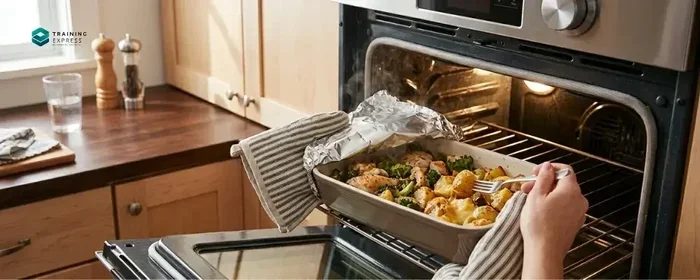
Choosing the right rack to bake cakes in oven makes all the difference. The middle rack position works best for most cakes because it allows hot air to circulate evenly. Using the wrong rack can lead to uneven baking, sunken centers, and burnt edges. This guide covers every oven rack placement you need to know for perfect cake results. You will learn how to adjust rack position based on your cake type and oven style.
Baking a cake feels simple enough. You mix the batter, pour it into a pan, and slide it into the oven. But here is the thing most beginners miss. Where you place the rack to bake cakes in oven can completely change the outcome. One wrong move and you end up with a cake that is burnt on top but raw in the middle. Or worse, a cake that never rises properly at all.
The good news is that fixing this is easy. Once you understand how heat moves inside your oven, everything clicks. Oven rack placement for cakes is not guesswork. There is a clear, simple method that works almost every time. In this guide, I will walk you through exactly where to place your rack, why it matters, and how to adjust for different cake types. By the end, you will never second-guess your rack position again.
Key Takeaways
- Middle rack is king: The center oven rack delivers the most even heat for almost every cake.
- Avoid top and bottom racks: These positions cause uneven browning and poor rising.
- Convection ovens need adjustment: Lower the rack slightly and reduce temperature when using fan mode.
- Multi-layer cakes need rotation: Rotate pans halfway through for even baking on multiple racks.
- Rack height matters: Positioning the rack too high or too low leads to burnt tops or undercooked bottoms.
- Know your oven: Every oven has hot spots, so understanding your specific oven improves results.
- Use a simple test: The toothpick test and visual cues help you confirm proper rack placement.
📑 Table of Contents
- Why Rack Placement Matters When You Bake a Cake
- The Best Rack Position for Most Cakes
- When to Use a Different Rack Position
- How Oven Types Affect Rack Choice
- Common Rack Mistakes That Ruin Cakes
- Quick Tips for Perfect Cake Baking Every Time
- Comparison Table: Rack Positions and Their Best Uses
- Final Thoughts on Rack Placement for Cake Baking
Why Rack Placement Matters When You Bake a Cake
Your oven heats from the bottom and sometimes the top too. Hot air rises, and cool air sinks. This creates a natural flow of heat inside the oven cavity. Where you place your cake rack determines how much heat your cake receives from each direction.
Put your cake too close to the bottom, and the bottom burns before the inside cooks. Place it too high, and the top browns way too fast while the center stays gooey. The middle rack position gives you balanced heat from all sides. This is why professional bakers almost always use the center rack for baking cakes.
Here is a quick breakdown of how heat works in a standard oven:
- Bottom element: Provides direct heat from below. Great for crusty bread but risky for cakes.
- Top element: Provides overhead heat for broiling and browning. Too much heat from above dries out cake tops.
- Side elements: In convection ovens, fans circulate hot air evenly around the food.
- Center zone: The most balanced area with steady, even heat distribution.
Understanding this basic heat flow helps you make smarter decisions every time you bake a cake in the oven. It is the foundation of great cake baking tips.
The Science Behind Even Cake Baking
Heat transfer works in three ways: conduction, convection, and radiation. Conduction happens when the pan touches the hot rack. Convection is the movement of hot air around the cake. Radiation comes from the heating elements above and below.
When you place your cake on the middle oven rack, you minimize direct radiation from both the top and bottom elements. The cake bakes mainly through convection and gentle conduction. This creates a smooth, even rise and a uniform crumb. It also reduces the chance of uneven cake baking, which is one of the most common problems home bakers face.
The Best Rack Position for Most Cakes
If you remember only one thing from this article, let it be this: always use the middle rack to bake cakes in oven. This single rule solves 90% of cake baking problems. The middle rack sits roughly in the center of the oven cavity, surrounded by even heat on all sides.
Here is why the middle rack works so well:
- Balanced heat exposure: The cake gets equal warmth from above and below.
- Better air circulation: Hot air flows freely around the pan without obstruction.
- Reduced risk of burning: There is enough distance from both the top and bottom heating elements.
- Consistent rising: The batter rises evenly because heat reaches all parts at the same rate.
For standard cake recipes like vanilla sponge, chocolate cake, carrot cake, and pound cake, the middle rack is your best friend. Set your rack in the center slot before preheating the oven. This gives you the best oven rack placement for cakes in almost every situation.
Which Oven Rack Slot Is the Middle?
Most ovens have three to five rack positions. The middle slot is usually the one that sits evenly between the top and bottom of the oven interior. If your oven has four slots, the second slot from the top or the second from the bottom will both work. If you have five slots, the third slot is dead center.
Quick tip: hold a piece of aluminum foil in the oven to check where the heat hits strongest. The spot with the most even heat distribution is your sweet spot for the middle rack for cake baking.
When to Use a Different Rack Position
While the middle rack is the default, some cake types benefit from a slightly different position. Knowing when to adjust your cake baking rack placement gives you more control over the final result.
Using the Lower Rack for Deep or Tall Cakes
Tall cakes like bundt cakes or deep layer cakes sometimes need a slight adjustment. These cakes rise high and can touch the top element if placed on the middle rack. In this case, move the rack down one slot below center.
This gives the cake more room to grow without hitting the top heating element. It also keeps the bottom of the cake farther from the direct heat source, which prevents over-browning. Just be careful not to go too low. The bottom rack for cake baking should only be used as a slight adjustment, not as a default position.
Using the Upper Rack for Crusty Tops
Some recipes call for a golden, deeply browned top. Think of certain Italian creams or custard cakes. In these cases, moving the rack up one slot above center can help. The closer proximity to the top element promotes more browning on the surface.
However, this technique requires close monitoring. Check your cake a few minutes early. You do not want the top to burn while the inside is still raw. Upper rack baking works best for shorter bake times and thinner cakes.
Baking Multiple Cakes at Once
What if you need to bake two or three cakes at the same time? Maybe you are preparing for a party or a bake sale. In this case, you can use two racks.
Place one rack in the lower third of the oven and another in the upper third. Put one cake on each rack. Halfway through the baking time, swap the racks. This rotation ensures both cakes get equal exposure to heat. Without rotation, the cake on the lower rack may underbake while the top one overbakes.
Quick tip: never stack pans directly on top of each other on the same rack. This blocks airflow and leads to uneven cake rising. Always give each pan plenty of space.
How Oven Types Affect Rack Choice
Not all ovens are the same. The type of oven you own changes how you think about rack placement for baking cakes. Let me walk you through the most common oven types and how each one affects your cake.
Standard Thermal Ovens
These are the most common ovens found in homes. They heat from a bottom element and sometimes a top element. Heat rises naturally, which means the top of the oven is always hotter than the bottom.
For standard thermal ovens, the middle rack position is ideal for cake baking. The temperature is most consistent in this zone. If you notice your cakes browning too fast on top, try lowering the rack by one slot. If the bottom is browning too quickly, raise the rack slightly.
Convection Ovens
Convection ovens have a fan that circulates hot air throughout the cavity. This creates a more even temperature across all rack positions. Convection oven cake baking is faster and more efficient than standard baking.
However, convection ovens come with a catch. The fan can cause the top of a cake to set too quickly, which interferes with rising. Here is what to do:
- Lower the temperature by 25°F (about 15°C). Convection ovens run hotter, so reducing the temp prevents over-baking.
- Place the rack in the lower-middle position. This gives the cake room to rise without hitting the top element.
- Avoid convection for delicate cakes. Angel food cakes, soufflés, and chiffon cakes do better with conventional heat.
Many bakers love their convection oven for cakes because the even airflow reduces hot spots. But you need to make adjustments. Simply following a standard recipe without changes will often lead to a dry or over-browned cake.
Toaster Ovens and Small Ovens
Small ovens heat differently than full-size ovens. The heating elements are closer to the food, which means rack position matters even more. In a toaster oven, there is usually only one or two rack positions.
Always place your cake pan in the center of the small oven. If the rack has only one position, center the pan as much as possible. Watch your cake closely because small ovens can overheat quickly. Baking cakes in small ovens requires a bit more attention but produces wonderful results when done right.
Common Rack Mistakes That Ruin Cakes
Even experienced bakers make rack placement mistakes. Here are the most common errors and how to avoid them.
Placing the Rack Too Low
This is the number one mistake. Putting your cake on the bottom rack exposes it to intense bottom heat. The result? A dark, burnt bottom with a raw or gummy center. The edges may also over-brown while the middle does not cook through.
If your cake keeps coming out with a burnt bottom, check your rack position first. Move it up to the middle slot and try again. This simple fix solves the problem in most cases.
Placing the Rack Too High
The opposite problem happens when the rack is too high. The top of the cake gets blasted by direct heat from the top element. You end up with a thick, burnt crust on top while the inside remains undercooked.
A cake with a domed, cracked top often points to a rack that is too high. Lower the rack to the center position and the problem usually disappears. Even cake baking starts with proper rack height.
Opening the Oven Door Too Often
Every time you open the oven door, you release a burst of hot air. This causes temperature drops and uneven baking. Even if your rack position is perfect, frequent opening can ruin your cake.
Resist the urge to peek. Use the oven light to check on your cake instead. Only open the door when you need to rotate the pan or when the minimum bake time has passed. This small habit makes a huge difference in cake baking results.
Ignoring Your Oven’s Hot Spots
Every oven has hot spots. These are areas where the heat is stronger or weaker than the rest. A cake placed over a hot spot will brown faster on one side.
To find your oven’s hot spots, place a piece of white bread on each rack and bake at 350°F for a few minutes. The spots that brown first are your hot zones. Once you know where they are, you can position your cake pans to avoid them. This is one of the best oven baking tips for improving your results.
Quick Tips for Perfect Cake Baking Every Time
Here is a collection of practical tips that will elevate your cake baking game. These are simple habits that make a big difference.
- Preheat your oven fully. Wait at least 15 to 20 minutes after the preheat signal before putting your cake in. A fully heated oven ensures consistent temperature from the start.
- Use an oven thermometer. Built-in oven thermostats are often inaccurate. A standalone thermometer gives you the real temperature inside your oven.
- Center your pan on the rack. Do not let the pan hang off the edge. This blocks airflow and causes uneven baking.
- Rotate your pan halfway through. Even on the middle rack, turning the pan 180 degrees helps compensate for any hot spots.
- Do not overcrowd the oven. Leave at least two inches of space between pans and oven walls for proper air circulation.
- Check for doneness early. Start checking a few minutes before the minimum bake time. A toothpick inserted in the center should come out clean or with a few moist crumbs.
- Cool the cake in the pan for 10 minutes. Then transfer it to a wire rack. This prevents the bottom from getting soggy.
These cake baking tips work hand in hand with proper rack placement. Together, they give you the best chance of pulling a perfectly baked cake out of your oven every single time.
Comparison Table: Rack Positions and Their Best Uses
| Rack Position | Best For | Avoid For |
|---|---|---|
| Top Rack | Quick browning, finishing touches, broiling | Full cake baking, delicate sponges |
| Upper-Middle Rack | Cakes that need a bit more top browning | Very tall or deep cakes |
| Middle Rack (Center) | Almost all cakes, even baking, sponge cakes | Rarely wrong — this is the safest choice |
| Lower-Middle Rack | Tall bundt cakes, deep layer cakes | Thin cakes that bake quickly |
| Bottom Rack | Pizza, crusty bread, roasting | Cake baking — causes burnt bottoms |
The table above gives you a quick visual reference for oven rack placement for baking cakes. Keep it handy the next time you preheat your oven. With practice, choosing the right rack becomes second nature.
Final Thoughts on Rack Placement for Cake Baking
Baking a great cake is all about details. And one of the simplest details that makes the biggest difference is where you place your rack to bake cakes in oven. The middle rack gives you even heat, balanced rising, and a beautiful golden finish. It works for almost every cake recipe you will ever try.
Once you understand your oven and how heat flows, you can make small adjustments for different cake types. A slightly lower rack for tall bundt cakes. A slightly higher rack for recipes that need extra browning on top. Convection ovens need temperature adjustments but reward you with wonderfully even results.
Avoid the common mistakes that trip up so many bakers. Do not place your rack too low or too high. Do not open the oven door constantly. And always pay attention to your oven’s unique quirks. Every oven is different, and learning yours is part of the joy of baking.
Start with the middle rack for cake baking and build from there. Pair proper rack placement with good ingredients, accurate measurements, and a little patience. You will be amazed at how much your cakes improve. Happy baking, and enjoy every slice!
Frequently Asked Questions
What is the best rack position to bake cakes in oven?
The middle rack is the best position for baking cakes in most ovens. It provides even heat distribution from all sides, which leads to uniform rising and browning. For the vast majority of cake recipes, placing your pan on the center rack gives you the most consistent and reliable results.
Can I bake a cake on the top rack of the oven?
You can, but it is not recommended for full cake baking. The top rack exposes your cake to direct heat from the upper element, which can burn the top while leaving the inside undercooked. The top rack works better for finishing touches or quick browning, not for baking a full cake from start to finish.
Should I use the bottom rack to bake a cake?
No, the bottom rack is not ideal for cake baking. It sits too close to the bottom heating element, which causes the bottom of the cake to burn or over-brown. The bottom rack is better suited for pizza, bread, and roasting. Always use the middle rack for cakes.
How do I bake cakes evenly in a convection oven?
In a convection oven, lower the temperature by about 25°F and place your cake on the lower-middle rack. The fan circulates hot air, which can set the top of the cake too quickly. Reducing the temperature and adjusting the rack position compensates for this and gives you even, beautiful results.
Do I need to rotate my cake pan while baking?
Yes, rotating your cake pan halfway through the bake time is a great practice. Even on the middle rack, ovens can have hot spots that cause uneven baking. A simple 180-degree rotation ensures your cake bakes evenly on all sides. This is one of the easiest cake baking tips to follow.
What rack should I use for baking multiple cakes at once?
When baking multiple cakes, place one on the lower-middle rack and one on the upper-middle rack. Rotate both pans and swap their positions halfway through baking. This ensures both cakes receive equal heat exposure. Never stack pans on the same rack, as this blocks airflow and leads to uneven baking.
=== CONCLUSION ===
Choosing the right rack to bake cakes in oven is one of the easiest ways to improve your baking results. The middle rack position works for nearly every cake type and oven style. It gives you even heat, balanced rising, and a beautiful golden finish without any guesswork.
Remember the key principles: center your rack, avoid the top and bottom positions, adjust for convection ovens, and rotate your pans when needed. These simple habits transform your baking from inconsistent to consistently excellent. With the right oven rack placement for cakes and a little practice, you will bake perfect cakes every time.