Why a Sun Oven Is the Best Way to Cook Outdoors Every Day
A Sun Oven is a game-changer for anyone who loves outdoor cooking and wants a simple, eco-friendly way to prepare meals. This sun-powered oven uses the natural energy of the sun to bake, boil, and steam food without any fuel or electricity. Whether you are camping, off-grid, or just looking to save on energy bills, a Sun Oven makes solar cooking easy and fun every single day.
A Sun Oven is one of the most exciting innovations in outdoor cooking today. It takes the pure energy of the sun and turns it into a reliable way to prepare breakfast, lunch, dinner, and even desserts. If you have ever wondered whether cooking with the sun is really practical, the answer is a strong yes.
More and more people are discovering the joy of solar cooking. A Sun Oven lets you bake bread, roast vegetables, boil water, and slow-cook stews using nothing but sunlight. It is clean, quiet, and endlessly renewable. Whether you live off-grid, love camping, or simply want to reduce your energy use, a Sun Oven fits the bill perfectly.
In this guide, we will walk you through everything you need to know about Sun Oven cooking. You will learn how it works, what you can cook, how it compares to other outdoor methods, and whether it is a smart investment for your kitchen. Let us dive in.
Key Takeaways
- Zero Fuel Cooking: A Sun Oven uses only sunlight, so you never need gas, charcoal, or electricity to cook a meal.
- Massive Savings: Cooking with a sun-powered oven can cut your energy bills significantly over time.
- Healthier Meals: Solar cooking preserves nutrients better than high-heat methods and avoids harmful smoke.
- Easy to Use: Modern Sun Ovens are simple to set up, with clear instructions and minimal learning curve.
- Great for Emergencies: A Sun Oven works during power outages, making it a reliable backup cooking tool.
- Eco-Friendly Choice: Cooking with a Sun Oven produces zero emissions and reduces your carbon footprint.
- Portable and Versatile: Many models are lightweight and perfect for camping, hiking, and backyard use.
📑 Table of Contents
What Is a Sun Oven and How Does It Work?
The Science Behind Solar Cooking
A Sun Oven is a device that captures sunlight and converts it into heat for cooking. Think of it like a greenhouse in a box. Sunlight enters through a clear cover, hits the dark cooking surface, and gets trapped inside. The heat builds up and stays concentrated, reaching temperatures high enough to bake, roast, and boil food.
The process relies on three simple principles. First, the oven collects sunlight through a reflective surface or transparent lid. Second, it converts that light into heat using a dark-colored interior. Third, it traps the heat inside an insulated chamber so it does not escape. This is the same greenhouse effect that warms the Earth, but packed into a portable cooking unit.
How a Sun Oven Captures and Traps Heat
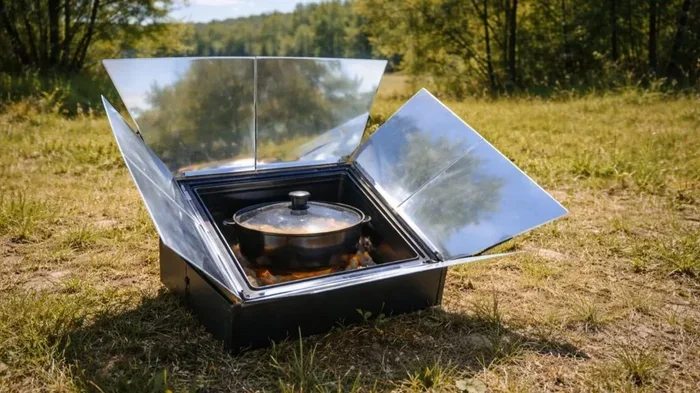
Most Sun Ovens use a combination of reflective panels and a glass or plastic cover. The reflectors bounce additional sunlight into the cooking chamber. The glass lid lets light in but prevents heat from escaping. This design allows temperatures to reach 300 to 400 degrees Fahrenheit on a sunny day.
You do not need direct blazing sun either. A Sun Oven can work on partly cloudy days, though it takes a bit longer. The key is to position the oven facing the sun and adjust it every 30 to 60 minutes as the sun moves across the sky. It is simple, and once you get the hang of it, it becomes second nature.
Benefits of Cooking with a Sun Oven Every Day
Save Money on Energy Bills
One of the biggest advantages of a Sun Oven is the money you save. Traditional ovens, stovetops, and grills all use gas or electricity that costs money every month. A Sun Oven runs entirely on free solar energy. Over weeks and months, those savings add up fast.
Even if you only use it a few times a week, you will notice a difference in your utility bills. For families who cook outdoors often, a sun-powered oven can reduce indoor cooking heat, which means less air conditioning in the summer. That is a double savings that many people overlook.
Cook with Clean, Renewable Energy
Clean energy cooking is more than a trend. It is a responsibility. When you cook with a Sun Oven, you produce zero emissions. There is no burning of fossil fuels, no release of smoke, and no contribution to air pollution. Every meal you prepare is a small step toward a healthier planet.
This makes renewable energy cooking ideal for environmentally conscious households. If you care about your carbon footprint and want to make a real difference, switching to solar thermal cooking is one of the easiest changes you can make. It does not require any lifestyle overhaul, just a willingness to try something new.
Enjoy Healthier and Better-Tasting Meals
Cooking with a Sun Oven preserves more nutrients in your food compared to high-heat methods. Because the temperature rises slowly and evenly, vitamins and minerals stay intact. Vegetables retain their color and crunch. Meats stay moist and flavorful.
There is also the taste factor. Sun-cooked meals have a unique, clean flavor that many people prefer. Without the char or smoke of a grill, the natural tastes of your ingredients shine through. Slow solar baking brings out depth in breads, stews, and casseroles in a way that conventional ovens sometimes cannot match.
How to Use a Sun Oven for Everyday Meals
Best Foods to Cook in a Sun Oven
The versatility of a Sun Oven might surprise you. Here are some of the best foods to try:
- Baked goods: Bread, rolls, cookies, muffins, and cakes all bake beautifully in a Sun Oven.
- Roasted vegetables: Root vegetables, squash, peppers, and tomatoes roast evenly with a lovely caramelized flavor.
- Soups and stews: Slow cooking works perfectly. Just add your ingredients, set the oven, and let the sun do the work.
- Rice and grains: Brown rice, quinoa, and lentils cook wonderfully with consistent low heat.
- Meats: Chicken, fish, and thin cuts of beef cook through reliably on a sunny day.
- Dehydrated foods: Some Sun Oven models work as a solar food dehydrator, perfect for making jerky and dried fruit.
Step-by-Step Cooking Guide
Using a Sun Oven is straightforward. Follow these simple steps for great results every time:
- Place the oven in direct sunlight, facing south in the northern hemisphere or north in the southern hemisphere.
- Adjust the reflectors to bounce maximum sunlight into the cooking chamber.
- Preheat the oven for about 15 to 30 minutes before adding your food.
- Place your food inside on the provided tray or pot. Dark-colored cookware works best.
- Close the lid tightly to trap heat inside.
- Turn the oven every 30 to 45 minutes to keep it pointed at the sun.
- Check your food for doneness. Cooking times are similar to a slow oven, sometimes a bit longer on cloudy days.
With a little practice, you will be able to whip up sun-cooked meals without even thinking about it. Many users say the learning curve is less than a week.
Sun Oven vs. Traditional Outdoor Cooking Methods
Head-to-Head Comparison
How does a Sun Oven stack up against other outdoor cooking methods? Here is a quick comparison:
| Feature | Sun Oven | Charcoal Grill | Gas Grill | Campfire |
|---|---|---|---|---|
| Fuel Source | Sunlight (free) | Charcoal (recurring cost) | Propane (recurring cost) | Wood (free if gathered) |
| Emissions | Zero | High smoke and CO2 | Moderate CO2 | High smoke and CO2 |
| Temperature Control | Good, steady heat | Moderate | Excellent | Poor |
| Portability | Lightweight models available | Bulky | Bulky | None |
| Indoor Use | Not recommended | No | No | No |
| Daily Use Cost | Zero | Medium to high | Medium | Low (if wood is free) |
| Ease of Use | Very easy | Moderate | Easy | Moderate |
Which Method Fits Your Lifestyle?
If you want zero fuel cooking with minimal effort, the Sun Oven wins hands down. It is perfect for daily use, especially in sunny climates. Charcoal and gas grills are great for quick, high-heat cooking like searing steaks, but they come with ongoing costs and fuel dependency.
A campfire is romantic and fun, but it is not practical for everyday outdoor meal prep. It produces smoke, requires firewood, and offers very little temperature control. The Sun Oven gives you consistent, predictable results without any of that hassle.
For off-grid cooking and emergency preparedness, a Sun Oven is unmatched. When the power goes out, the sun keeps shining. You can still cook your meals without any fuel at all. This makes it an essential part of any survival kit or emergency food plan.
Tips for Getting the Most Out of Your Sun Oven
Quick Tips for Better Results
Here are some practical tips that experienced solar cooking enthusiasts swear by:
- Use dark-colored pots and trays. Dark surfaces absorb heat much more efficiently than light ones. This is the single biggest tip for better performance.
- Preheat before adding food. Give your Sun Oven at least 15 to 30 minutes to build up heat before you put anything inside.
- Keep the glass clean. A dirty cover lets in less light and reduces efficiency. Wipe it down regularly with a soft cloth.
- Adjust every 30 minutes. The sun moves, and so should your oven. A quick turn keeps the heat maximum.
- Use a thermometer. Most Sun Ovens come with one, but a standalone oven thermometer helps you track internal temperature more accurately.
- Cook in smaller portions. The oven works best when it is not overloaded. Smaller batches cook faster and more evenly.
- Try solar baking early in the day. Morning sun is often more consistent and less intense than midday heat, which can cause uneven cooking.
Common Mistakes to Avoid
Even experienced users make mistakes. Here are the most common ones and how to avoid them:
- Not positioning the oven correctly. If the reflectors are not aimed at the sun, you will lose significant heat. Always double-check the angle.
- Opening the lid too often. Every time you open the lid, you let heat escape. Resist the urge to peek too frequently. Trust the process.
- Using the wrong cookware. Glass or light-colored pots reflect heat instead of absorbing it. Stick with dark, oven-safe cookware.
- Ignoring weather forecasts. A Sun Oven needs sunshine to work. Plan your cooking around clear weather when possible.
- Overloading the oven. Too much food blocks airflow and slows cooking. Give your food room to cook evenly.
Expert Insights on Solar Cooking
According to solar cooking experts, the key to mastering solar thermal cooking is patience. Unlike a gas grill that heats up in minutes, a Sun Oven works with the gentle, steady power of the sun. It rewards those who plan ahead and embrace a slower cooking rhythm.
Many users report that after a few weeks of daily use, solar cooking becomes their preferred method. The simplicity, the cost savings, and the satisfaction of cooking with pure sunlight create a habit that is hard to break. As one expert puts it, “A Sun Oven is not just a cooking tool. It is a lifestyle shift toward sustainable living.”
Experts also recommend starting with simple recipes like roasted vegetables or rice before attempting more complex bakes. This builds confidence and helps you understand how your specific oven model performs in different conditions. Once you feel comfortable, you can explore solar baking breads, pastries, and even casseroles.
Is a Sun Oven Worth the Investment?
Cost vs. Long-Term Savings
The upfront cost of a Sun Oven ranges from about 100 to 400 dollars depending on the model and size. That might seem like a lot at first, but consider the long-term savings. You are eliminating fuel costs entirely. Over a year, a Sun Oven can save you hundreds of dollars on gas, charcoal, or electricity.
When you factor in the health benefits, the environmental impact, and the convenience of off-grid cooking, the value proposition becomes even stronger. A Sun Oven is not just an appliance. It is an investment in a more sustainable, self-sufficient lifestyle.
Who Should Buy a Sun Oven?
A Sun Oven is perfect for a wide range of people:
- Outdoor enthusiasts who camp, hike, or RV frequently and want a lightweight, fuel-free cooking solution.
- Eco-conscious homeowners who want to reduce their energy consumption and live more sustainably.
- Off-grid living advocates who need a reliable cooking method without dependence on utility infrastructure.
- Prepares and survivalists who want a backup cooking method that works during emergencies and power outages.
- Budget-conscious families who want to cut monthly energy costs without sacrificing the meals they love.
- Anyone who loves outdoor cooking and wants to try something new and exciting.
If any of these describe you, a Sun Oven is absolutely worth it. The initial cost pays for itself quickly, and the daily enjoyment of cooking with the sun is a reward in itself.
Cooking with a Sun Oven every day is simpler, cleaner, and more rewarding than most people expect. It brings the power of the sun right into your kitchen, whether that kitchen is a backyard patio, a campsite, or a rural homestead. The benefits are clear: zero fuel costs, healthier meals, a smaller carbon footprint, and the quiet satisfaction of cooking with nature.
If you have been curious about solar cooking, now is the perfect time to start. A Sun Oven is an investment that pays dividends every single day. Try it for a week, and you will wonder how you ever cooked without it. Embrace the sun, enjoy the process, and discover that the best way to cook outdoors is the way nature intended.
Frequently Asked Questions
Can a Sun Oven work on cloudy days?
Yes, but with reduced efficiency. A Sun Oven can still capture diffuse sunlight on partly cloudy days, though cooking times will be longer. Direct, bright sunshine produces the best results, but the oven is not completely useless on overcast days.
How long does it take to cook a meal in a Sun Oven?
Cooking times are similar to a conventional oven set to a low temperature, usually between 250 and 350 degrees Fahrenheit. A typical meal might take 1 to 3 hours depending on the dish, the intensity of sunlight, and the outdoor temperature.
Is a Sun Oven safe to use around children and pets?
Yes, a Sun Oven is very safe. There are no open flames, no gas lines, and no hot exterior surfaces that reach dangerous temperatures. The glass lid can get warm, so supervision around young children is always wise, but the risk of burns or fire is minimal compared to a grill or campfire.
Can I bake bread in a Sun Oven?
Absolutely. Solar baking is one of the most popular uses for a Sun Oven. Bread, rolls, and even pastries bake beautifully when the oven is preheated properly. The slow, even heat creates a lovely crust and a soft, well-cooked interior.
What maintenance does a Sun Oven need?
Maintenance is minimal. Keep the glass or plastic cover clean for maximum light transmission. Check the reflective panels for damage or discoloration. Store the oven in a cool, dry place when not in use. With basic care, a Sun Oven can last for many years of daily use.
Can a Sun Oven replace my regular oven entirely?
For many households, a Sun Oven can handle a large portion of daily cooking, especially during sunny months. However, it works best as a complement to your regular kitchen setup. On rainy days or during winter in colder climates, you may still need a conventional oven for backup cooking.