How To Clean Oven Fast With Baking Soda And Vinegar
Learn how to clean oven fast with baking soda and vinegar using a safe, affordable, and eco-friendly method that cuts through tough grease in minutes. This guide covers everything from preparation to maintenance, so your oven stays sparkling without harsh chemicals or expensive products.
Key Takeaways
- Baking soda and vinegar are the ultimate natural cleaning duo: They break down grease and grime safely and affordably.
- You can clean your oven in under 30 minutes: No need for expensive store-bought cleaners or long soaking sessions.
- Regular maintenance prevents buildup: A quick wipe-down after each use keeps your oven interior fresh and ready for the next cook.
- Avoid common mistakes like using steel wool: It damages oven surfaces and makes future cleaning harder.
- Oven racks and doors need special attention: These areas collect the most grease and need targeted cleaning methods.
- Vinegar smell disappears quickly: Don’t let the temporary odor scare you away from this effective method.
📑 Table of Contents
- How To Clean Oven Fast With Baking Soda And Vinegar
- Why Baking Soda And Vinegar Work So Well For Oven Cleaning
- What You Need Before You Start
- Step-By-Step Guide To Clean Oven Fast
- How To Handle Tough Stains And Heavy Grease Buildup
- Tips To Keep Your Oven Sparkling After Cleaning
- Common Mistakes To Avoid When Cleaning Your Oven
- Conclusion
How To Clean Oven Fast With Baking Soda And Vinegar
Cleaning your oven fast with baking soda and vinegar is one of the easiest and most effective methods you can try at home. This natural combination cuts through stubborn grease, removes burnt food residue, and leaves your oven smelling fresh. No toxic fumes. No expensive products. Just simple pantry staples that work surprisingly well.
If you have ever opened your oven and felt overwhelmed by layers of baked-on grease, you are not alone. Grease buildup is one of the most common problems with kitchen appliances. It happens every time you cook, especially with fatty or oily foods. The good news is that you do not need harsh chemical cleaners to fix it. A mixture of baking soda and vinegar handles the job beautifully.
In this guide, we will walk you through the entire process step by step. You will learn the right way to prepare your cleaning solution, how to apply it effectively, and what to do about tough stains. By the end, you will know exactly how to clean oven fast using ingredients you probably already have in your kitchen.
Let us get started. Your oven deserves a deep clean, and you deserve a simple method that actually works.
Why Baking Soda And Vinegar Work So Well For Oven Cleaning
Before we dive into the steps, it helps to understand why this combination is so effective. Many people reach for commercial oven cleaners, but those products often contain strong chemicals that can be harmful. Baking soda and vinegar offer a safer alternative that still delivers powerful results.
The Science Behind The Cleaning Power
Baking soda, also known as sodium bicarbonate, is a mild alkaline substance. It works as a gentle abrasive that lifts dirt and grease from surfaces. When you mix baking soda with water, it creates a paste that sticks to oven walls and breaks down food residue over time.
Vinegar, on the other hand, is acidic. When it meets the baking soda paste, it creates a fizzing reaction. This reaction helps loosen stubborn grime and lifts it away from the oven surface. Together, these two ingredients create a natural cleaning solution that tackles grease buildup without damaging your oven.
One of the best things about this method is that it is safe for most oven types. Whether you have a standard gas oven, an electric oven, or even a self-cleaning oven model, this approach works gently and effectively. It is also safe for stainless steel surfaces and oven racks made of metal or coated materials.
Benefits Of Using Natural Cleaners For Your Kitchen
Switching to natural cleaning methods has several advantages. First, it saves you money. Baking soda and vinegar cost just a few dollars and last a long time. Second, it is better for your health. Commercial oven cleaners release fumes that can irritate your lungs and eyes. Third, it is better for the environment. Natural ingredients break down safely and do not contribute to indoor air pollution.
Many homeowners have made the switch to homemade cleaners and never looked back. The results speak for themselves. A clean oven interior, fresh-smelling kitchen, and peace of mind knowing you are not exposing your family to harsh chemicals.
What You Need Before You Start
Gathering your supplies ahead of time makes the whole process smoother. You do not need anything fancy or expensive. Here is a simple list of everything you will need to clean your oven fast.
Essential Supplies
- Baking soda: About half a cup for a standard oven. You can use more if your oven is very large or heavily soiled.
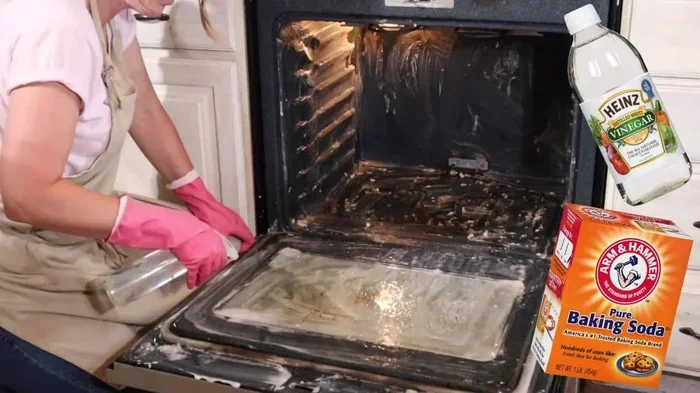
- White vinegar: One cup in a spray bottle. White distilled vinegar works best because it is clear and does not stain.
- Warm water: A few cups for making the paste and wiping down surfaces.
- A spray bottle: Any clean spray bottle will do. This makes it easy to apply the vinegar evenly.
- Soft cloths or sponges: Microfiber cloths work great. Avoid abrasive scrubbers that can scratch oven surfaces.
- A bowl: For mixing the baking soda paste.
- A spatula or old butter knife: Helpful for scraping off loose debris before cleaning.
- Rubber gloves: Optional but recommended. They keep your hands clean and protect your skin.
Optional But Helpful Extras
While not strictly necessary, a few extra items can make the job even easier. A small bowl of hot water placed inside the oven for a few minutes helps soften tough grease. A plastic scraper works well for removing large chunks of burnt food. And a dry microfiber cloth is perfect for the final polish after cleaning.
Having everything ready before you start means you can focus on the cleaning process without interruptions. Set aside about 30 to 45 minutes for a thorough job. The actual cleaning takes less time than most people expect.
Step-By-Step Guide To Clean Oven Fast
Now for the part you have been waiting for. Follow these steps carefully, and your oven will look brand new in no time. This method works for both the oven interior and the oven door, so you get a complete clean in one session.
Step 1: Remove The Oven Racks
Start by pulling out all the oven racks. These are the metal trays that sit inside the oven. Removing them gives you full access to the oven interior and allows you to clean each piece separately. Set the racks aside on a towel or old newspaper to catch any drips.
While the racks are out, take a moment to remove any large pieces of burnt food from the bottom of the oven. Use a spatula or a dry cloth to gently scrape away loose debris. Do not use metal tools that could scratch the oven surface. A soft plastic scraper works perfectly for this task.
Step 2: Make Your Baking Soda Paste
In a medium bowl, combine half a cup of baking soda with a few tablespoons of warm water. Mix it until you get a thick paste consistency. The paste should be spreadable but not too runny. If it is too thick, add a tiny bit more water. If it is too thin, add more baking soda.
This paste is the heart of your oven cleaning solution. The baking soda works to break down grease and food residue while being gentle enough not to damage the oven surface. It is a true homemade cleaner that rivals any store-bought product.
Step 3: Apply The Paste To The Oven Interior
Using your hands or a spatula, spread the baking soda paste evenly across the oven interior. Focus on the walls, the floor, and the ceiling of the oven. Avoid covering the heating elements directly, especially in electric ovens. Apply a thicker layer to areas with heavy grease buildup or tough stains.
Use your fingers or a cloth to gently rub the paste into the surface. This helps the baking soda penetrate the grime and start breaking it down. For areas with baked-on food, let the paste sit for a few minutes before moving on.
Step 4: Let It Sit
Now comes the easy part. Let the baking soda paste sit for at least 15 to 20 minutes. During this time, the paste works on breaking down the grease and loosening the stuck-on food residue. For really tough stains, you can let it sit for up to an hour.
While you wait, you can clean the oven racks using a separate method. Fill a sink or bathtub with hot water and add a few tablespoons of baking soda. Let the racks soak while you work on the oven interior. This multitasking approach saves you time.
Step 5: Spray Vinegar And Watch The Magic
After the paste has had time to work, fill a spray bottle with white vinegar. Spray the vinegar generously over the baking soda paste inside the oven. You will see it start to fizz and bubble. This reaction is exactly what you want. It helps lift the loosened grime away from the oven surface.
The fizzing action is completely safe and non-toxic. It is simply the acid in the vinegar reacting with the alkaline baking soda. This natural chemical reaction is what makes this cleaning method so effective for grease removal and stain lifting.
Step 6: Wipe Everything Clean
Take a damp cloth or sponge and start wiping away the baking soda paste. The vinegar and water mixture should come off easily, taking the loosened grease and grime with it. Use circular motions and apply gentle pressure. For stubborn spots, let the vinegar sit for a minute and try again.
Rinse your cloth frequently in clean water and wring it out. Continue wiping until all the baking soda residue is gone and the oven interior looks clean. You may need to rinse the cloth several times, especially if there was a lot of grease buildup.
Step 7: Clean The Oven Door
The oven door often accumulates a lot of grease and food splatter. Apply the same baking soda paste to the door, focusing on the glass panel and the edges. Spray vinegar over the paste and wipe clean with a damp cloth.
For the oven door glass, use a separate clean cloth dampened with a bit of vinegar. This helps remove any remaining haze or streaks. The glass should be clear and transparent when you are done. If any spots remain, apply a small amount of paste directly to those areas and wipe again.
Step 8: Clean And Replace The Racks
By now, your oven racks should have finished soaking. Remove them from the water and scrub away any remaining grime with a soft sponge. Rinse them thoroughly under clean water and dry them completely before placing them back in the oven.
Make sure the racks are fully dry before you slide them back in. Moisture left on the racks can cause rust over time, especially in gas ovens where heat and moisture combine. A quick towel dry works perfectly.
How To Handle Tough Stains And Heavy Grease Buildup
Sometimes, even the best baking soda paste needs a little extra help. Heavily soiled ovens with years of buildup require a bit more effort. Here are some proven techniques to handle the toughest messes.
Method 1: The Steam Soak
Place a oven-safe bowl filled with hot water on the bottom rack of the oven. Close the door and let the oven run at a low temperature for about 10 minutes. The steam helps soften baked-on grease and food residue, making it much easier to wipe away afterward.
After the steam treatment, apply your baking soda paste as usual. The softened grime will respond much better to the cleaning solution. This method works wonders on ovens that have not been cleaned in a long time.
Method 2: The Overnight Treatment
For extremely tough stains, apply a thick layer of baking soda paste and let it sit overnight. Cover the paste with a damp cloth to keep it from drying out. In the morning, spray vinegar and wipe clean. The extended soaking time gives the baking soda more opportunity to break down stubborn grease and food residue.
This overnight method is especially effective for ovens with heavy grease buildup on the walls and floor. It requires patience but delivers excellent results without any harsh chemicals.
Method 3: Targeted Spot Treatment
For isolated tough stains, make a thicker paste with more baking soda and less water. Apply it directly to the stain and let it sit for 30 minutes. Spray vinegar and scrub gently with a soft sponge. Repeat if necessary. This spot treatment approach saves you from having to clean the entire oven interior again.
Tips To Keep Your Oven Sparkling After Cleaning
Once you have invested the time to clean your oven, you want to keep it that way. A simple maintenance routine makes future cleaning sessions much faster and easier. Here are some practical tips to help you maintain a clean oven interior.
Clean Spills Immediately
The best time to clean your oven is right after a spill occurs. When food or grease drips onto the oven floor, wipe it up as soon as the oven has cooled down. This prevents the residue from baking on and becoming a tough stain. Keep a damp cloth near the oven for quick wipe-downs after cooking.
Use Oven Liners
Oven liners are inexpensive sheets that sit on the bottom rack and catch drips and spills. They are usually made of silicone or aluminum foil. When a liner gets dirty, you simply replace it or wash it. This simple addition to your kitchen setup reduces the amount of cleaning needed for your oven interior.
Schedule Regular Cleaning
Set a cleaning schedule that works for your cooking habits. If you cook frequently, aim to give your oven a quick wipe-down every two weeks. For less frequent cooks, a monthly cleaning session is usually sufficient. Regular maintenance prevents the buildup that makes deep cleaning so difficult.
Avoid Overfilling Pans
One of the simplest ways to reduce oven mess is to avoid overfilling baking pans and dishes. When food bubbles over, it splatters onto the oven walls and floor. Using appropriately sized pans and covering dishes with foil can significantly reduce spills and splatter.
Run A Quick Self-Clean Cycle
If you have a self-cleaning oven, use this feature periodically. The high heat burns off food residue and grease, leaving behind ash that is easy to wipe away. However, do not rely solely on the self-cleaning function. Regular manual cleaning with baking soda and vinegar keeps your oven in the best condition.
Common Mistakes To Avoid When Cleaning Your Oven
Even with the best intentions, people often make mistakes that can damage their oven or reduce cleaning effectiveness. Avoid these common pitfalls to get the best results every time.
Using Abrasive Scrubbers
Steel wool, metal scouring pads, and harsh abrasive sponges can scratch and damage oven surfaces. These scratches create tiny grooves where grease and food residue accumulate, making future cleaning even harder. Stick to soft cloths, microfiber towels, and gentle sponges for all oven cleaning tasks.
Skipping The Rack Cleaning
It is tempting to focus only on the oven interior and forget about the racks. But dirty racks transfer grease and grime back onto your food every time you cook. Always clean your oven racks thoroughly as part of your regular cleaning routine. Soaking them in hot water with baking soda works wonders.
Using Too Much Vinegar
While vinegar is a powerful natural cleaner, using too much can leave a lingering smell. A light mist from a spray bottle is usually sufficient. The fizzing reaction happens quickly, and you do not need to drench the oven interior. A little goes a long way.
Not Letting The Paste Sit Long Enough
Patience is key when cleaning with baking soda. If you rush the process and wipe away the paste too quickly, it does not have enough time to break down the grease. Give it at least 15 to 20 minutes of sitting time for the best results. For tough stains, longer is better.
Ignoring The Oven Door Seal
The rubber seal around the oven door often gets overlooked during cleaning. This area collects dust, grease, and food particles that can affect oven temperature and efficiency. Wipe the seal gently with a damp cloth and a bit of baking soda paste to keep it clean and functioning properly.
Conclusion
Learning how to clean oven fast with baking soda and vinegar gives you a reliable, affordable, and eco-friendly solution for keeping your kitchen appliance in top shape. This method works on grease removal, tough stains, and burnt food residue without exposing your family to harsh chemicals. With just a few simple supplies and about 30 minutes of your time, you can transform a grimy oven into a sparkling clean cooking space.
Remember that regular maintenance is the secret to easy oven cleaning. Wipe up spills promptly, use oven liners, and schedule routine cleaning sessions. These small habits prevent the heavy buildup that makes deep cleaning so time-consuming. Your oven interior will stay cleaner for longer, and each cleaning session will be quicker and easier than the last.
Start today. Grab some baking soda and vinegar, follow the steps in this guide, and experience how satisfying a clean oven can be. Your kitchen appliance will thank you, and your next cooking session will be even more enjoyable in a fresh, clean oven.
Frequently Asked Questions
How long does it take to clean an oven with baking soda and vinegar?
Most oven cleaning sessions take between 30 and 45 minutes. The actual cleaning process is quick once you have your supplies ready. The baking soda paste needs about 15 to 20 minutes to work on the grease, which gives you time to clean other parts of the kitchen.
Can I use apple cider vinegar instead of white vinegar?
Yes, apple cider vinegar works as a substitute. However, white distilled vinegar is preferred because it is clear and does not leave any color residue on oven surfaces. Apple cider vinegar may leave a slight tint on light-colored oven interiors, so white vinegar is the safer choice for cleaning.
Is it safe to use baking soda and vinegar in a self-cleaning oven?
Yes, this method is safe for self-cleaning ovens. In fact, many homeowners prefer natural cleaners over the high-heat self-cleaning cycle because it avoids the strong odor that sometimes accompanies the self-cleaning process. Just avoid spraying vinegar directly on the heating elements.
How often should I deep clean my oven?
A deep clean every one to two months is usually sufficient for regular home cooks. If you cook frequently or prepare greasy foods, you may want to clean more often. Light wipe-downs after each use can help extend the time between deep cleaning sessions.
Will the vinegar smell linger in my oven after cleaning?
The vinegar smell dissipates quickly once the oven is wiped dry and aired out. You can speed up the process by leaving the oven door open for a few minutes after cleaning. Most people find that any remaining odor fades within an hour or so.
Can I use this method to clean a really old and dirty oven?
Absolutely. This baking soda and vinegar method works on ovens of all ages and levels of grime. For very old and heavily soiled ovens, you may need to repeat the process or let the paste sit overnight. Multiple applications will gradually break down even the most stubborn grease buildup and burnt food residue.