How To Clean An Oven Hood Easy Steps For Sparkling Results
Learning how to clean an oven hood is simple and fast when you follow the right steps. This guide shows you everything from removing greasy filters to wiping down the exterior. You will need basic supplies like baking soda, vinegar, and warm water. We cover every oven hood type so you can get started right away. Your kitchen will smell fresh and look amazing in under an hour.
Your oven hood works hard every day. It pulls smoke, steam, and cooking odors out of your kitchen. But over time, all that grease and grime builds up. A dirty hood looks terrible and can even become a fire risk. That is why learning how to clean an oven hood is so important.
In this guide, we walk you through every step of the process. You do not need fancy products or expensive tools. Just basic household items and a little bit of elbow grease. Whether you have a stainless steel hood or a simple mesh filter, we have you covered. By the end, you will know exactly how to make your oven hood look and work like new again.
Key Takeaways
- Regular cleaning prevents grease buildup: Cleaning your oven hood every few weeks keeps it working at peak performance.
- Simple household items work great: Baking soda, vinegar, and dish soap can handle most grease and grime.
- Different hood types need different care: Stainless steel, charcoal filter, and aluminum mesh hoods each have specific cleaning methods.
- Safety always comes first: Turn off and cool down your oven hood before you start any cleaning process.
- Deep cleaning takes more effort but lasts longer: A monthly deep clean removes stubborn grease and extends your hood’s lifespan.
- Maintenance between cleanings saves time: Wiping down surfaces after cooking reduces the need for heavy-duty cleaning sessions.
📑 Table of Contents
- Why Cleaning Your Oven Hood Matters
- What You Will Need to Clean an Oven Hood
- Step-by-Step Guide to Clean an Oven Hood
- How to Clean Different Oven Hood Types
- Common Mistakes to Avoid When Cleaning Your Oven Hood
- Maintenance Tips for a Sparkling Oven Hood
- How Often Should You Clean Your Oven Hood?
- Benefits of a Clean Oven Hood
- When to Call a Professional
- Final Thoughts on Cleaning Your Oven Hood
Why Cleaning Your Oven Hood Matters
Many people forget about their oven hood until it looks really dirty. But regular cleaning does more than just make it look good. It keeps your kitchen safe, fresh, and healthy. Here is why you should make oven hood cleaning a regular habit.
It Reduces Fire Risk
Grease buildup inside your hood and filters is a serious fire hazard. When grease heats up, it can ignite. The U.S. Fire Administration reports that kitchen hoods and vents contribute to many home fires each year. Cleaning your oven hood regularly removes this dangerous buildup and keeps your family safe.
It Improves Air Quality
A dirty hood cannot pull air through as well. This means smoke and cooking odors linger in your kitchen longer. You might notice your kitchen still smells like last night’s dinner even hours later. A clean hood works efficiently and keeps your kitchen air fresh.
It Saves Energy and Money
When grease clogs your hood fan, the motor has to work harder. This uses more electricity and can shorten the life of your appliance. A clean oven hood runs smoothly and costs less to operate over time.
It Keeps Your Kitchen Looking Great
Grease splatter on your hood makes the whole kitchen look dirty. Even if you just wiped down your counters, a grimy hood draws the eye. Regular cleaning keeps your kitchen looking its best and makes a big difference in your cooking space.
What You Will Need to Clean an Oven Hood
Before you start, gather everything you need. Having all your supplies ready makes the process much smoother. You probably already have most of these items in your kitchen.
Essential Cleaning Supplies
- Dish soap: A basic degreaser that cuts through light grease.
- Baking soda: A natural abrasive that tackles stubborn grime.
- White vinegar: Dissolves grease and removes odors naturally.
- Warm water: Helps dissolve soap and loosen grease.
- Soft microfiber cloths: Won’t scratch stainless steel surfaces.
- A soft-bristled brush or old toothbrush: Reaches into tight corners and crevices.
- Spray bottle: For mixing and applying your cleaning solution.
- Rubber gloves: Protects your hands from grease and cleaning products.
Optional but Helpful Items
- Degreaser spray: Commercial kitchen degreasers work fast on heavy buildup.
- Plastic scraper: Helps remove dried, caked-on grease safely.
- Bucket or basin: For soaking removable filters and parts.
- Old newspapers or towels: Protect your countertop from drips and mess.
Quick Tip: Avoid using steel wool or harsh abrasive pads on stainless steel hoods. They can leave permanent scratches that trap more grease in the future.
Step-by-Step Guide to Clean an Oven Hood
Now let us get into the actual cleaning process. Follow these steps in order for the best results. The entire process takes about 30 to 60 minutes depending on how dirty your hood is.
Step 1: Turn Off and Cool Down Your Oven Hood
Safety comes first. Switch off your oven hood and unplug it from the power outlet. Wait at least 15 to 20 minutes for all parts to cool down completely. Never clean a hot hood or filter. You risk burns and can also damage sensitive components with cold water on hot surfaces.
Step 2: Remove the Grease Filter
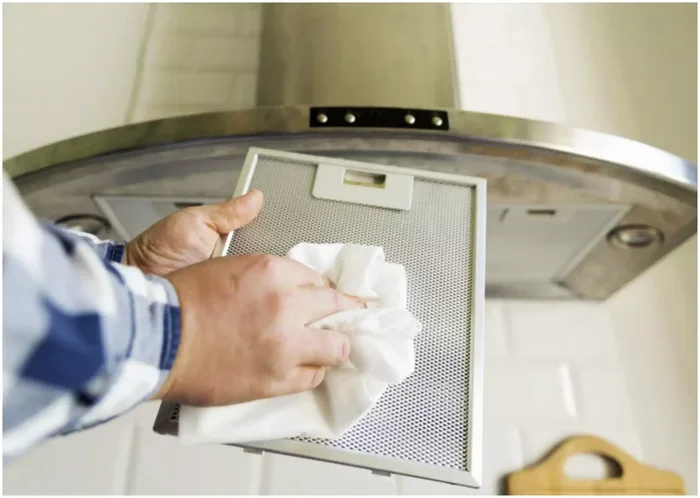
Most oven hoods have removable grease filters. These are usually located right under the hood light or on the sides. Gently pull them out or unhook them from their clips. Check your owner’s manual if you are unsure how yours comes out. Place the filter in a sink or basin for cleaning.
Step 3: Soak the Filter
Fill a basin or sink with hot water and add a few drops of dish soap. For extra grease-cutting power, add two tablespoons of baking soda. Let the filter soak for at least 15 to 30 minutes. This softens the hardened grease and makes scrubbing much easier.
Step 4: Scrub the Filter
After soaking, use a soft brush or old toothbrush to scrub away remaining grease. Pay extra attention to corners and mesh areas where grease likes to hide. Rinse the filter under hot water and check if it is clean. Repeat scrubbing if needed. For aluminum mesh filters, you can also boil them in a pot with baking soda for 10 minutes to loosen tough grease.
Step 5: Clean the Hood Interior
While your filter soaks, turn your attention to the hood body. Spray a mixture of warm water and dish soap directly onto the interior surfaces. For stubborn grease spots, make a paste of baking soda and water. Apply it to the greasy areas and let it sit for 5 to 10 minutes. Then wipe everything down with a damp microfiber cloth.
Step 6: Wipe Down the Exterior
Now clean the outside of your oven hood. Spray your vinegar and water solution (equal parts vinegar and warm water) onto a cloth and wipe the entire surface. For stainless steel hoods, always wipe in the direction of the grain. This prevents streaks and keeps the finish looking smooth and professional.
Step 7: Clean the Charcoal Filter (If Applicable)
Some oven hoods use charcoal filters instead of grease filters. These cannot be washed or soaked. Instead, you should replace them every 3 to 6 months. If your charcoal filter looks dark and saturated, it is time for a new one. Check your model’s manual for the correct replacement filter size.
Step 8: Dry Everything and Reassemble
Once all parts are clean and rinsed, dry them thoroughly with a clean towel. Make sure the filter is completely dry before putting it back in. Reattach the filter, plug the hood back in, and turn it on to check that everything works properly. Run it for a minute to make sure there are no unusual sounds.
Expert Insight: Professional cleaners recommend doing a light wipe-down of your oven hood after every few cooking sessions. This prevents heavy grease buildup and makes your monthly deep clean much faster and easier.
How to Clean Different Oven Hood Types
Not all oven hoods are the same. The material and design affect how you should clean them. Here is how to handle the most common types found in kitchens today.
Stainless Steel Oven Hoods
Stainless steel hoods are popular because they look sleek and modern. However, they show fingerprints, grease, and streaks easily. Always use a gentle cleaning solution and a soft cloth. Never use abrasive cleaners or rough pads. For tough grease spots, apply a small amount of cooking oil to a cloth after cleaning. This restores the protective finish and gives the surface a beautiful shine.
Aluminum Mesh Filters
Aluminum mesh filters are the most common type. They are lightweight and washable. The best way to clean them is by soaking in hot soapy water with baking soda. For really greasy filters, you can boil them in a large pot with water and a cup of baking soda for 10 minutes. This melts away the toughest grease without damaging the aluminum.
Charcoal Filter Hoods
Charcoal filters are used in recirculating hoods that do not vent outside. These filters absorb odors and grease from the air. You cannot wash them. The only option is regular replacement. Most charcoal filters need to be swapped out every 3 to 6 months depending on how often you cook. Keep a spare filter on hand so you are never stuck with a dirty one.
Copper and Brass Hoods
Some kitchens feature decorative copper or brass hoods. These require special care. Use a gentle copper cleaner or a mixture of salt and vinegar. Never use harsh chemicals on these metals. They can strip the finish and cause permanent damage. Always test any cleaner on a small hidden area first.
Common Mistakes to Avoid When Cleaning Your Oven Hood
Even with the best intentions, people make mistakes when cleaning their oven hoods. Avoid these common errors to get better results and protect your appliance.
Using Too Much Water
While you need water to clean filters, too much water can damage electrical parts inside the hood. Never spray water directly onto the motor or light housing. Always keep liquids away from internal components. Stick to damp cloths for the exterior and electrical parts.
Skipping the Soak Step
Many people try to scrub dry filters and wonder why nothing works. Soaking is essential for loosening hardened grease. Without a good soak, you will scrub for much longer and still not get the filter fully clean. Be patient and let the soaking do the hard work for you.
Using Harsh Chemical Cleaners
Strong chemical cleaners can damage your hood’s finish and leave behind toxic residues. These chemicals can also get into your food through the ventilation system. Stick to natural cleaners like baking soda and vinegar. They are just as effective and much safer for your kitchen environment.
Forgetting to Clean the Fan Blades
The fan blades inside your hood collect a surprising amount of grease. If you only clean the filter and ignore the blades, grease will quickly build up again. Use a damp cloth wrapped around a butter knife to reach between the blades. This simple trick makes a big difference in overall cleanliness.
Not Replacing Filters on Time
Even with regular cleaning, filters wear out over time. A worn-out filter cannot trap grease and odors effectively. Set a reminder to check your filters every 3 months. Replace charcoal filters every 6 months and wash metal filters monthly for best results.
Quick Tip: Mark your calendar or set a phone reminder for oven hood cleaning day. It is easy to forget this chore, but regular maintenance saves you from tough deep cleans later.
Maintenance Tips for a Sparkling Oven Hood
Cleaning your oven hood once is great. But keeping it clean over time is even better. These simple habits make a huge difference in how often you need to do a full cleaning session.
Wipe Down After Every Cook
After you finish cooking, give your hood a quick wipe with a damp cloth. This removes fresh grease before it has a chance to harden. It takes less than two minutes and keeps your hood looking clean between deeper cleans.
Use Your Hood While Cooking
Always turn on your oven hood before you start cooking and keep it running for 5 to 10 minutes after. This captures steam and grease before it settles on surfaces. Proper use of your range hood ventilation system reduces the amount of cleaning you need to do.
Keep a Spray Bottle Handy
Mix equal parts vinegar and water in a spray bottle and keep it near your oven hood. A quick spray and wipe after cooking makes a big difference. This simple habit prevents grease from building up into thick layers that require heavy scrubbing.
Check for Wear and Tear
During your regular cleaning sessions, inspect your hood for any signs of damage. Look for loose screws, cracked filters, or worn-out fan blades. Catching small problems early prevents expensive repairs later. If your hood makes unusual noises or does not pull air as strongly, it might be time for a professional check.
Deep Clean Monthly
A quick wipe-down handles daily grease. But a thorough monthly deep clean keeps your oven hood in top shape. Follow the full step-by-step guide we shared above once a month. This routine maintenance ensures your kitchen stays fresh, safe, and looking its best.
How Often Should You Clean Your Oven Hood?
The answer depends on how much you cook. If you cook every day or fry a lot of greasy foods, you should clean your oven hood more often. Here is a general schedule to follow:
- Light cooking (1-2 times per week): Clean the grease filter every 2 months.
- Moderate cooking (3-5 times per week): Clean the grease filter every month.
- Heavy cooking or frequent frying (daily): Clean the grease filter every 2 weeks.
- Quick wipe-down: After every few cooking sessions.
- Charcoal filter replacement: Every 3 to 6 months.
Following this schedule keeps your oven hood working at its best. It also prevents heavy grease buildup that becomes difficult to remove. Think of it like brushing your teeth. Small regular efforts save you from painful and time-consuming problems later.
Benefits of a Clean Oven Hood
Now that you know how to clean an oven hood, let us talk about why it is worth the effort. A clean hood gives you so much more than just a pretty kitchen.
- Better ventilation: A clean hood moves air more efficiently and removes cooking odors faster.
- Reduced grease in your kitchen: Less grease on surfaces means less overall cleaning for you.
- Longer appliance lifespan: Regular maintenance extends the life of your oven hood by years.
- Lower energy bills: A clean fan motor runs more efficiently and uses less electricity.
- Improved kitchen hygiene: Less grease means fewer bacteria and a healthier cooking environment.
- Pleasant cooking experience: A clean kitchen makes cooking more enjoyable and less stressful.
When you take care of your oven hood, it takes care of you. The benefits go far beyond just appearances. A well-maintained hood protects your investment and keeps your kitchen running smoothly for years to come.
When to Call a Professional
Most oven hood cleaning can be done at home with the steps we shared above. However, there are times when professional help makes sense. If your hood has heavy, caked-on grease that does not come off with soaking and scrubbing, a professional cleaning service can handle it. Also, if you notice any electrical issues, unusual noises, or weak airflow, call a technician. These could be signs of deeper problems that need expert attention.
Some homeowners also hire professionals for annual deep cleans, especially if they have commercial-style kitchen hoods or complex ventilation systems. It is a worthwhile investment if you want your hood to last for many years.
Final Thoughts on Cleaning Your Oven Hood
Learning how to clean an oven hood does not have to be a daunting task. With the right supplies and a simple step-by-step approach, you can get amazing results in less than an hour. The key is consistency. Regular cleaning prevents heavy grease buildup and keeps your hood working at its best.
Start with a light wipe-down after cooking, and do a full deep clean every few weeks. Your kitchen will stay fresh, safe, and welcoming. Plus, a sparkling clean oven hood makes your whole kitchen feel brighter and more inviting. You will notice the difference every time you step into your cooking space.
Take a few minutes today to gather your supplies and give your oven hood the care it deserves. Your future self will thank you every time you cook in a clean, well-ventilated kitchen. A little effort now goes a long way toward protecting your appliance, your home, and your family.
Frequently Asked Questions
How often should I clean my oven hood?
It depends on how much you cook. For most households, cleaning the oven hood every 4 to 6 weeks works well. If you fry food often or cook daily, aim for every 2 weeks. A quick wipe-down after heavy cooking sessions helps too.
Can I wash my oven hood filter in the dishwasher?
Yes, most aluminum grease filters are dishwasher safe. Place them on the top rack and run a normal cycle with hot water. However, hand washing with baking soda and hot water often works better for tough grease. Always check your hood’s manual first to be sure.
What is the best homemade cleaner for an oven hood?
A mixture of baking soda and warm water makes an excellent paste for cutting through grease. You can also use equal parts white vinegar and warm water in a spray bottle. Both are natural, safe, and work surprisingly well on kitchen grease buildup.
Can I use chemical degreasers on my oven hood?
Yes, but use them carefully. Commercial degreasers work fast on heavy grease. However, they can be harsh on stainless steel and may leave chemical residue. Always rinse thoroughly after using chemical cleaners and avoid getting them near electrical parts.
How do I remove stubborn grease from my oven hood?
For stubborn grease, make a thick paste of baking soda and water. Apply it to the greasy areas and let it sit for 15 to 20 minutes. Then scrub gently with a soft brush. For really tough spots, spray undiluted vinegar on the baking soda paste and let it fizz before wiping clean.
Do charcoal filters need cleaning?
No, charcoal filters cannot be cleaned or washed. They absorb grease and odors through the charcoal material and lose effectiveness over time. The best practice is to replace charcoal filters every 3 to 6 months to keep your oven hood working properly.
=== CONCLUSION ===
Keeping your oven hood clean is one of the simplest and most important kitchen maintenance tasks you can do. We covered everything from why cleaning matters to the step-by-step process for every hood type. You now know how to use basic supplies like baking soda and vinegar to tackle even the toughest grease. Remember, consistency is your best friend. A little regular care prevents heavy buildup and keeps your kitchen hood running smoothly for years. Start today, follow the steps in this guide, and enjoy the sparkling results in your kitchen.