How Long To Cook Breaded Fish In The Oven Perfectly
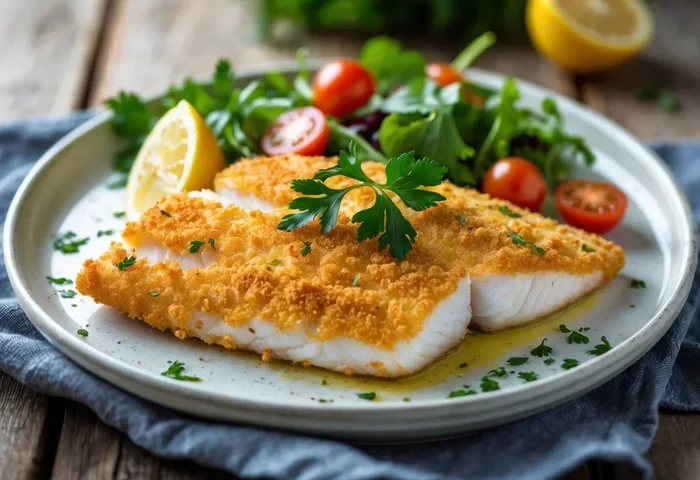
Cooking breaded fish in the oven typically takes 15 to 25 minutes at 400°F, depending on the fillet thickness and type of fish. This guide walks you through exact timing, temperatures, and techniques to achieve crispy, golden breaded fish every single time. You will learn how to prep, bread, bake, and serve restaurant-quality oven-baked fish at home.
There is something magical about breaded fish in the oven. It is crispy on the outside, tender on the inside, and smells absolutely incredible while it bakes. Whether you are making a weeknight dinner for your family or impressing guests at a weekend gathering, oven-baked breaded fish is one of the most reliable and delicious meals you can prepare.
But here is the question everyone asks: how long to cook breaded fish in the oven? The answer depends on a few key factors, including the thickness of your fillets, the type of fish you are using, and your oven temperature. In this guide, we break down everything you need to know to get perfectly crispy, golden-brown fish every single time.
You will learn the exact cooking times, the best temperatures, how to prep your fish properly, and plenty of tips that separate a good baked fish dinner from a great one. Let us dive in.
Key Takeaways
- Standard Bake Time: Most breaded fish fillets cook perfectly in 15 to 25 minutes at 400°F, with thinner fillets needing less time and thicker cuts requiring more.
- Internal Temperature Matters: Always check that your fish reaches 145°F internally to ensure it is safe and fully cooked through.
- Preheat Is Essential: Preheating your oven ensures even cooking and a crispy exterior from the moment the fish goes in.
- Wire Rack Wins: Placing breaded fish on a wire rack over a baking sheet promotes airflow and prevents the bottom from getting soggy.
- Breadcrumb Choice Changes Everything: Panko breadcrumbs create a crunchier crust than regular breadcrumbs, and homemade breading lets you control flavor and texture.
- Rest Before Serving: Letting breaded fish rest for 2 to 3 minutes after baking helps the crust stay intact and juices redistribute.
📑 Table of Contents
Why Bake Breaded Fish in the Oven?
Frying fish on the stovetop is a classic method, but baking breaded fish in the oven offers several advantages. First, it is far easier to manage. You place your fillets on a tray, pop them in the oven, and let the heat do the work. There is no hot oil splattering, no monitoring the flip, and no greasy cleanup.
Second, oven-baking is healthier. You use little to no oil, which means fewer calories and less fat in your meal. For those watching their diet but still craving something crunchy and satisfying, oven-baked breaded fish is the perfect solution.
Third, baking allows you to cook larger batches at once. If you are feeding a family or hosting a dinner party, you can fit multiple fillets on a single baking sheet. This makes oven-baked fish dinner planning much simpler and more efficient.
How Long To Cook Breaded Fish In The Oven
Standard Cooking Time at 400°F
The most common and reliable temperature for breaded fish in the oven is 400°F. At this heat, most standard-thickness fillets (about ½ inch thick) will cook through in approximately 15 to 20 minutes. Thicker fillets, around ¾ inch or more, may need closer to 20 to 25 minutes.
Here is a general breakdown to help you plan:
- Thin fillets (¼ to ½ inch): 12 to 15 minutes at 400°F
- Standard fillets (½ to ¾ inch): 15 to 20 minutes at 400°F
- Thick fillets (¾ inch and above): 20 to 25 minutes at 400°F
- Whole small fish: 25 to 30 minutes at 400°F
These times are guidelines. Every oven behaves differently, and the type of fish, the thickness of your breading, and even how crowded your baking sheet is can affect cooking time. Always use a meat thermometer to check the internal temperature of fish, which should reach 145°F for safe consumption.
How Thickness Affects Cooking Time
Thickness is the single biggest factor in determining how long your breaded fish needs to bake. A thin tilapia fillet will cook much faster than a thick cod loin, even at the same temperature. When fillets are uneven in thickness, the thinner parts can dry out while the thick center remains undercooked.
To address this, try pounding thicker fillets to an even ½-inch thickness before breading. This creates a uniform surface that cooks evenly throughout. It is a simple trick that makes a huge difference in your oven-baked fish results.
Temperature Variations and Their Effects
While 400°F is the sweet spot for most breaded fish recipes, you can adjust the temperature depending on your goals:
- 375°F: Lower heat means slower cooking. This works well for delicate fish like sole or flounder that might fall apart at higher temperatures. Expect cooking times around 20 to 25 minutes.
- 400°F: The ideal balance of crispy exterior and moist interior for most fish types. This is the go-to temperature for crispy oven-baked fish.
- 425°F: Higher heat creates a faster, crunchier crust. Best for thicker fillets with sturdy breading. Reduce cooking time slightly and watch closely to prevent burning.
If you are looking for a deeper flavor, you can also try starting at a higher temperature for the first 10 minutes and then reducing to 375°F to finish cooking gently. This technique gives you a beautifully browned crust while keeping the fish moist inside.
Step-by-Step Guide to Preparing Breaded Fish
Choosing the Right Fish
Not all fish are created equal when it comes to baking with a breadcrumb coating. Some fish hold their shape beautifully, while others are more delicate and require extra care. Here are the best options for oven-baked breaded fish:
- Cod: Firm, flaky, and holds breading wonderfully. A top choice for fish and chips-style baking.
- Tilapia: Mild flavor, thin fillets, and quick cooking time. Great for beginners.
- Halibut: Thick and meaty, perfect for a heartier breaded fish dish.
- Catfish: Naturally tender and takes breading well. A Southern favorite.
- Mahi-Mahi: Slightly sweet and firm, excellent for a more upscale breaded fish recipe.
When selecting fish, look for fillets that are bright in color, fresh-smelling, and firm to the touch. Frozen fish works too, but make sure to thaw it completely and pat it dry before breading. Excess moisture is the enemy of a crispy crust.
The Breading Process
The breading process is where you build layers of flavor and texture. A proper three-step breading station makes all the difference:
- Flour: Lightly dredge each fillet in all-purpose flour. This creates a dry surface that helps the egg wash adhere.
- Egg Wash: Beat eggs with a splash of milk or water. Dip the floured fillet into the egg mixture, coating both sides evenly.
- Breadcrumbs: Press the fillet into your breadcrumbs, making sure the coating adheres firmly on all sides. For extra crunch, use panko breadcrumbs instead of standard ones.
For the best homemade breading, mix panko breadcrumbs with grated Parmesan cheese, garlic powder, paprika, salt, and a pinch of cayenne pepper. This gives your breadcrumb fish a rich, savory flavor that pairs perfectly with any side dish.
Setting Up Your Baking Sheet
How you arrange your fish on the baking sheet matters more than most people realize. Here is what works best:
- Line a baking sheet with parchment paper or lightly grease it with cooking spray.
- Place a wire rack on top of the baking sheet and arrange the fillets on the rack.
- Lightly spray the top of each fillet with cooking spray to help the breading brown evenly.
- Leave space between each fillet so hot air circulates freely around them.
The wire rack setup is a game-changer. It allows heat to reach the bottom of the fillet, preventing the breading from steaming and turning soggy. This is one of the most important fish cooking tips you will ever follow.
Tips for Perfectly Crispy Breaded Fish
Make Sure Your Fish Is Dry
Moisture is the number one enemy of crispy breading. Before you start the breading process, pat your fish fillets completely dry with paper towels. If you are using frozen fish, thaw it in the refrigerator overnight and then blot away any excess liquid. The drier the surface, the better the breadcrumbs will stick and the crispier the result will be.
Chill Before Baking
This is a trick that many home cooks overlook. Once you have breaded your fish, place the coated fillets on a plate and refrigerate them for 15 to 30 minutes before baking. The cold temperature helps the breading set and adhere to the fish, which means less coating falls off during cooking. Your golden brown fish will thank you for it.
Do Not Overcrowd the Pan
It is tempting to fit as many fillets as possible onto one baking sheet, but overcrowding traps steam and prevents proper crisping. If you need to cook a large batch, use two baking sheets or bake in multiple rounds. Your oven-baked fish will cook more evenly and develop a much better texture.
Use a Meat Thermometer
guessing whether your fish is done leads to either undercooked or overcooked fillets. A simple instant-read meat thermometer takes all the guesswork out of the equation. Insert it into the thickest part of the fillet, and when it reads 145°F, your fish is ready. This is the safest and most reliable way to check doneness.
Let It Rest
Once your breaded fish comes out of the oven, resist the urge to cut into it immediately. Let the fillets rest on the wire rack for 2 to 3 minutes. This allows the juices to redistribute throughout the fish and the breading to firm up slightly. The result is a fillet that holds together beautifully when you serve it.
Common Mistakes to Avoid
Skipping the Preheat
Never put breaded fish into a cold oven. Preheating ensures the oven reaches the correct temperature before the fish goes in, which is essential for even cooking and a properly crispy crust. A preheated oven also starts the breading process immediately, helping it set and brown from the start.
Using Too Much Breadcrumb Coating
More breading does not mean better results. A thick, heavy coating can take much longer to cook through, leaving you with a breadcrumb shell surrounding a potentially overcooked fish interior. Aim for a thin, even layer of breading that hugs the shape of the fillet. This gives you the best breaded fish texture and cooking time.
Not Adjusting for Different Fish Types
As mentioned earlier, different fish have different densities and moisture levels. A thin, delicate sole fillet and a thick, meaty halibut steak will cook at very different rates. Adjust your timing based on the fish you are using, and always rely on internal temperature rather than the clock alone.
Forgetting to Flip
While many oven-baked breaded fish recipes do not require flipping, doing so halfway through cooking can help the top brown more evenly. If your oven has hot spots, flipping is especially helpful. Use a thin spatula and flip gently to avoid breaking the breading.
Ignoring the Wire Rack
Placing breaded fish directly on a baking sheet without a rack is one of the most common mistakes home cooks make. Without airflow underneath, the bottom of the fish steams instead of crisping. A wire rack solves this problem instantly and is one of the simplest upgrades you can make to your fish oven recipe.
Serving Suggestions and Pairings
Once your breaded fish in the oven is perfectly golden and cooked through, it is time to think about serving. Here are some delicious pairings that round out the meal:
- Lemon wedges: A squeeze of fresh lemon brightens the flavor and cuts through the richness of the breading.
- Tartar sauce: A classic pairing that adds creamy, tangy flavor to every bite.
- Coleslaw: A crunchy, light coleslaw balances the crispy fish beautifully.
- Mashed potatoes: For a comforting, hearty meal that feels like a restaurant dinner at home.
- Steamed vegetables: Asparagus, green beans, or broccoli make a healthy, colorful side.
- French fries or sweet potato fries: For the ultimate fish-and-fries experience baked in the same oven.
When you are in a hurry and need a quick side, consider serving the fish over a bed of rice or with a simple salad. The breaded fish dinner pairs well with almost anything, making it a versatile meal for any occasion.
Now that you have mastered how long to cook breaded fish in the oven, you might also enjoy exploring other oven-baked dishes. For example, stuffed bread makes an excellent side to accompany your fish dinner. You can find a great guide on how long to cook stuffing in the oven at 400°F to pair perfectly with your meal.
Similarly, if you love the idea of oven-baked appetizers, barbecue meatballs baked in the oven are a fantastic crowd-pleaser. Check out this recipe for barbecue meatballs in the oven for another delicious oven-baked option.
And if you are concerned about the safety of your baking dishes, always make sure your pans and trays are oven-safe. For more information on this, you can read our guide on whether Pyrex is safe for oven use to ensure your kitchen tools are up to the task.
Key Takeaways
- Standard Bake Time: Most breaded fish fillets cook perfectly in 15 to 25 minutes at 400°F, with thinner fillets needing less time and thicker cuts requiring more.
- Internal Temperature Matters: Always check that your fish reaches 145°F internally to ensure it is safe and fully cooked through.
- Preheat Is Essential: Preheating your oven ensures even cooking and a crispy exterior from the moment the fish goes in.
- Wire Rack Wins: Placing breaded fish on a wire rack over a baking sheet promotes airflow and prevents the bottom from getting soggy.
- Breadcrumb Choice Changes Everything: Panko breadcrumbs create a crunchier crust than regular breadcrumbs, and homemade breading lets you control flavor and texture.
- Rest Before Serving: Letting breaded fish rest for 2 to 3 minutes after baking helps the crust stay intact and juices redistribute.
Conclusion
Cooking breaded fish in the oven is one of the easiest and most satisfying meals you can make at home. With the right temperature, timing, and technique, you can achieve restaurant-quality results without any of the fuss. Remember that the sweet spot is 400°F for 15 to 25 minutes, depending on fillet thickness, and always use a meat thermometer to confirm your fish has reached 145°F internally.
The key to perfectly crispy breaded fish lies in the details. Dry your fish thoroughly, use a wire rack, chill before baking, and do not overcrowd the pan. These small steps make a massive difference in the final result. Once you master the basics, you can experiment with different fish types, breading flavors, and serving styles to make this recipe your own.
Whether you are cooking a quick weeknight dinner or a special weekend meal, oven-baked breaded fish never disappoints. It is healthy, delicious, and incredibly easy to prepare once you know the right approach. Now that you have all the information you need, it is time to get into the kitchen and start baking.
Your next breaded fish dinner is going to be a hit. Crispy, golden, and perfectly cooked from edge to center. Enjoy every bite and feel proud of the meal you created.
Frequently Asked Questions
Can I use frozen fish for breaded fish in the oven?
Yes, you can use frozen fish, but it is important to thaw it completely before breading and baking. Pat the fillets dry after thawing to remove excess moisture. Cooking time may be slightly longer for frozen-thawed fish compared to fresh fillets, so keep an eye on the internal temperature.
What is the best type of breadcrumb for oven-baked fish?
Panko breadcrumbs are widely considered the best choice for oven-baked breaded fish. They are lighter, larger, and create a crunchier crust than standard breadcrumbs. You can also mix panko with grated Parmesan for extra flavor and texture.
How do I know when breaded fish is done?
The most reliable way to check if breaded fish is done is to use a meat thermometer. Insert it into the thickest part of the fillet. When it reads 145°F internally, the fish is fully cooked and safe to eat. The breading should also be golden brown and the fish should flake easily with a fork.
Can I bake breaded fish at a lower temperature?
Yes, you can bake breaded fish at 375°F, but expect a longer cooking time of about 20 to 25 minutes for standard fillets. Lower temperatures cook the fish more gently, which can be helpful for delicate fish varieties. Just make sure the internal temperature still reaches 145°F.
Should I flip my breaded fish while it bakes?
Flipping is not always necessary, especially if you spray the top of the fillets with cooking spray before baking. However, flipping halfway through can help the top brown more evenly, particularly if your oven has hot spots. Use a thin, flexible spatula and flip gently to preserve the breading.
What sides pair well with oven-baked breaded fish?
Oven-baked breaded fish pairs wonderfully with coleslaw, roasted vegetables, mashed potatoes, steamed asparagus, or a simple green salad. For a classic combination, serve it with lemon wedges and tartar sauce alongside fries or rice.