How To Cook Fish Sticks In The Oven With These Tips
Learning how to cook fish sticks in the oven is easy and rewarding. With the right temperature and a few simple tips, you can make crispy, golden fish sticks that taste better than store-bought. Whether you use frozen fish sticks or homemade ones, this guide covers everything you need to know for perfect results every single time.
There is something truly satisfying about pulling a batch of golden, crispy fish sticks out of the oven. Whether you are feeding a hungry family, prepping quick weeknight dinners, or just craving a tasty snack, how to cook fish sticks in the oven is a skill worth mastering. It is faster than frying, healthier than deep-frying, and delivers results that rival any restaurant-quality fish stick you have ever tasted.
Many people reach for the deep fryer or the microwave when they want fish sticks. But the oven offers something those methods simply cannot. Even cooking, less mess, and that beautiful golden crunch without a pool of oil. In this guide, we walk you through everything you need to know about oven baked fish sticks, from prep to plating. You will learn the best temperatures, timing tricks, and simple tips that elevate your fish sticks from ordinary to outstanding.
So grab your frozen fish sticks or gather ingredients for homemade fish sticks. Let us dive into the world of how to cook fish sticks in the oven like a pro.
Key Takeaways
- Right Temperature Matters: Preheating your oven to 400°F 425°F ensures crispy, evenly cooked fish sticks.
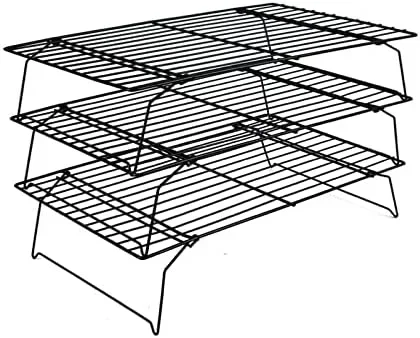
- Don’t Skip the Wire Rack: Using a wire rack over a baking sheet helps air circulate and keeps fish sticks crispy on all sides.
- Frozen vs. Homemade: Both options work great in the oven, but homemade fish sticks give you more control over ingredients and flavor.
- Timing Is Key: Most fish sticks need only 10 to 15 minutes to cook through and turn golden brown.
- Flip Halfway Through: Turning fish sticks midway ensures even browning and a satisfying crunch on every side.
- Pair With Great Sides: Tartar sauce, coleslaw, and roasted veggies make oven-baked fish sticks a complete meal.
📑 Table of Contents
- Why Oven-Baked Fish Sticks Are A Great Choice
- What You Need To Get Started
- Step-By-Step Guide To Cooking Fish Sticks In The Oven
- Tips For Perfectly Crispy Fish Sticks
- Common Mistakes To Avoid
- Best Side Dishes To Serve With Fish Sticks
- How To Make Healthier Fish Sticks
- Storing and Reheating Leftover Fish Sticks
- Conclusion
Why Oven-Baked Fish Sticks Are A Great Choice
Before we get into the step-by-step process, let us talk about why the oven is the best way to make fish sticks. Understanding the benefits helps you appreciate the process and stay motivated to cook more often at home.
Healthier Than Deep Frying
Deep-fried fish sticks absorb a lot of oil. That means extra calories and fat. When you bake fish sticks in the oven, you use little to no oil. The result is a lighter snack or meal that still has a satisfying crunch. Health-conscious eaters love oven-baked options because they get the taste without the guilt.
Easier and Less Messy
Frying on the stovetop means dealing with hot oil splatter. The oven keeps everything contained. You lay your fish sticks on a tray, pop them in, and wait. There is no oil to monitor, no splashing, and no stressful cleanup afterward. Cooking fish in the oven is genuinely one of the simplest kitchen tasks you can do.
Consistent Results Every Time
Ovens provide even, steady heat. This means your frozen fish sticks or homemade fish sticks cook uniformly. You do not have to worry about one side burning while the other stays raw. Once you learn the basics, you can repeat the process with confidence every single time.
What You Need To Get Started
Great cooking starts with good preparation. Here is everything you need before you begin how to cook fish sticks in the oven.
Ingredients for Homemade Fish Sticks
If you are making homemade fish sticks, here is a simple ingredient list:
- White fish fillets: Cod, tilapia, or pollock work best. They are mild, flaky, and perfect for breading.
- All-purpose flour: For the first dip in your breading station.
- Eggs: Beaten eggs help the breading stick to the fish.
- Breadcrumbs or panko: Panko gives a crunchier texture. Regular breadcrumbs work fine too.
- Seasonings: Salt, pepper, garlic powder, and paprika add great flavor to your fish stick recipe.
- Cooking spray or olive oil: A light spray helps the breading brown and crisp up.
Equipment You Will Need
- Baking sheet: A standard rimmed baking sheet works perfectly.
- Wire cooling rack: This is a game-changer. Placing fish sticks on a rack over the baking sheet allows hot air to flow underneath, making them evenly crispy.
- Parchment paper or silicone mat: Prevents sticking and makes cleanup a breeze.
- Mixing bowls: For setting up your breading station.
- Tongs: For flipping fish sticks without breaking them.
Frozen vs. Homemade Fish Sticks
Both options work wonderfully in the oven. Frozen fish sticks are convenient and ready to go straight from the freezer. Homemade fish sticks let you control the ingredients, adjust seasoning, and customize the breading. Below is a quick comparison to help you decide.
| Feature | Frozen Fish Sticks | Homemade Fish Sticks |
|---|---|---|
| Prep Time | Zero minutes | 20 to 30 minutes |
| Customization | Limited | Full control over ingredients |
| Cost | Lower per serving | Higher upfront cost |
| Freshness | Good quality brands available | Fresh and preservative-free |
| Texture | Great when baked properly | Can be extra crispy |
Step-By-Step Guide To Cooking Fish Sticks In The Oven
Now let us get into the heart of the matter. Here is a clear, simple guide on how to cook fish sticks in the oven that anyone can follow.
Step 1: Preheat Your Oven
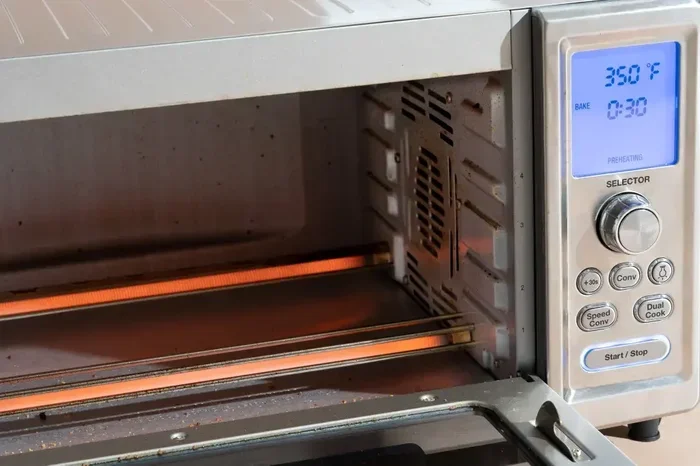
Always start by preheating your oven. Set it to 400°F to 425°F. This high heat is essential for getting a crispy exterior while cooking the fish through. Preheating takes about 10 to 15 minutes, so use that time to prepare your fish sticks.
Preheating is one of the most overlooked steps in oven fried fish recipes. Skipping it leads to uneven cooking and soggy results. Take those extra minutes. Your fish sticks will thank you.
Step 2: Prepare the Baking Sheet
Line your baking sheet with parchment paper or a silicone baking mat. If you are using a wire rack, place it on top of the baking sheet. Lightly spray or brush the rack with oil. This helps the breading adhere and brown beautifully.
If you do not have a wire rack, you can place fish sticks directly on the prepared baking sheet. Just be aware that the bottoms may not get as crispy without airflow underneath.
Step 3: Arrange the Fish Sticks
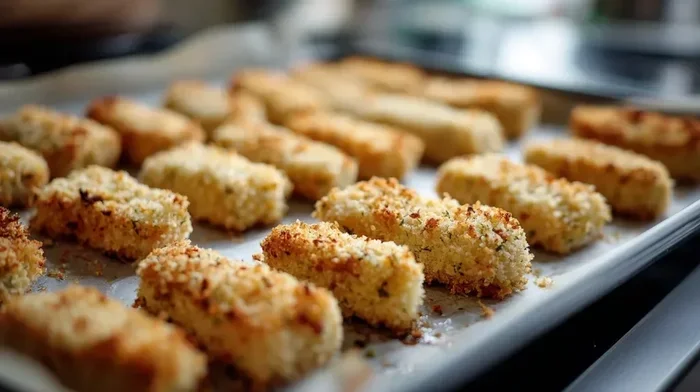
Place your fish sticks on the rack or baking sheet. Leave space between each one. You want about half an inch of gap so hot air circulates freely. Crowding the pan leads to steaming, which makes fish sticks soft instead of crispy.
Pro tip: If you are cooking frozen fish sticks, do not thaw them first. Cook them straight from the freezer. Thawing adds moisture, and moisture is the enemy of crispiness.
Step 4: Lightly Oil or Spray the Top
Give your fish sticks a light mist of cooking spray or a gentle brush of olive oil. This step is not about adding fat. It is about helping the breading turn golden and crispy in the oven temperature for fish of 400°F to 425°F.
Step 5: Bake and Monitor
Place the baking sheet in the center of the oven. Bake fish sticks for about 10 to 15 minutes. The exact time depends on thickness and whether you are using frozen or homemade sticks.
Here is a helpful timing guide:
- Frozen fish sticks: 12 to 15 minutes
- Homemade thin fish sticks: 8 to 10 minutes
- Homemade thick fish sticks: 12 to 15 minutes
Check at the halfway mark. Use tongs to carefully flip each fish stick. This ensures both sides turn golden brown and cook evenly.
Step 6: Check for Doneness
The fish sticks are done when the outside is crispy and golden, and the inside is fully cooked. The internal temperature should reach 145°F at the thickest point. The fish should be opaque and flake easily with a fork.
If they need more time, give them another 2 to 3 minutes. Watch them closely to avoid overcooking, which can dry out the fish.
Step 7: Serve Immediately
Fish sticks are best served fresh and hot. Transfer them to a plate lined with a paper towel to absorb any excess oil. Serve with your favorite dipping sauces and sides.
Tips For Perfectly Crispy Fish Sticks
Making great fish sticks is about more than just time and temperature. A few extra tricks can take your results from good to amazing.
Use Panko Breadcrumbs
Panko breadcrumbs create a lighter, crunchier coating than regular breadcrumbs. They are Japanese-style and have a flaky, airy texture that fries and bakes beautifully. If you want the crispiest breaded fish sticks possible, reach for panko.
Double-Dip the Breading
For extra thick, crunchy coatings, dip your fish pieces in flour, then egg, then breadcrumbs. Then repeat the egg and breadcrumb step. This double layer creates a substantial crust that stays crispy even after coming out of the oven.
Don’t Overcrowd the Pan
This cannot be stressed enough. Overcrowding traps steam and creates soggy fish sticks. If you need to cook a large batch, use two baking sheets and rotate them in the oven halfway through.
Let the Oven Do the Work
Resist the urge to open the oven door too often. Every time you open it, the temperature drops. This can lead to uneven cooking and longer bake times. Trust the process and check only at the halfway point.
Add a Light Seasoning After Baking
Once your fish sticks come out of the oven, sprinkle a pinch of salt and a dash of lemon zest while they are still hot. The heat helps the seasoning adhere, and the lemon adds a bright, fresh flavor that pairs perfectly with seafood.
Expert Insight
Chef Maria Torres, a seafood cooking specialist, shares this advice: “The secret to crispy fish sticks in the oven is all about air circulation. Always use a wire rack, keep the oven hot, and never skip the flip. These three simple habits make a world of difference.”
Common Mistakes To Avoid
Even experienced home cooks make mistakes when baking fish sticks. Here are the most common ones and how to avoid them.
Not Preheating the Oven
Putting fish sticks into a cold oven leads to uneven cooking. The outside stays pale and soft while the inside might not cook through. Always preheat to the right oven temperature for fish before placing your fish sticks inside.
Using Too Much Oil
A light spray is all you need. Dousing fish sticks in oil makes them greasy and heavy. The goal is a light, crispy coating, not a soggy, oily one.
Thawing Frozen Fish Sticks
Thawing frozen fish sticks before baking adds moisture. That moisture prevents the breading from crisping up. Keep them frozen and bake them directly. The high oven heat will cook them through perfectly.
Skipping the Flip
Flipping fish sticks halfway through the bake time ensures both sides get crispy and golden. If you only bake on one side, you will get one crispy side and one pale side. Take the extra 30 seconds to flip them.
Overbaking
Fish sticks dry out quickly once they are fully cooked. Leaving them in the oven too long turns them tough and rubbery. Set a timer, check early, and pull them as soon as they are golden and flaky.
Quick Tips Summary
- Preheat to 400°F to 425°F for the best results.
- Use a wire rack for maximum crispiness.
- Flip halfway for even browning.
- Do not overcrowd the baking sheet.
- Check internal temperature of 145°F for doneness.
- Serve immediately while hot and crispy.
Best Side Dishes To Serve With Fish Sticks
Fish sticks are versatile and pair wonderfully with many sides. Here are some ideas to build a complete meal around your oven baked fish sticks.
Classic Tartar Sauce
No fish stick meal is complete without tartar sauce. Mix mayonnaise, diced pickles, capers, a squeeze of lemon, and a pinch of dill. It is creamy, tangy, and the perfect complement to crispy fish.
Coleslaw
A crunchy coleslaw adds freshness and texture. The cool, tangy dressing balances the warm, crispy fish sticks beautifully. You can make a quick coleslaw in under 10 minutes with shredded cabbage, carrots, and a simple mayo dressing.
Roasted Vegetables
For a healthier meal, pair fish sticks with roasted vegetables. Asparagus, broccoli, and sweet potatoes all roast beautifully at 400°F alongside the fish sticks. One pan, multiple delicious results.
French Fries or Sweet Potato Fries
Keep the fried theme going with oven-baked fries. Toss potato wedges or sweet potato wedges in a little oil and seasoning, spread them on a second baking sheet, and roast them at the same temperature as your fish sticks. Dinner is served.
Simple Green Salad
A light green salad with a vinaigrette dressing adds a fresh contrast to rich, crispy fish sticks. Mixed greens, cherry tomatoes, cucumber, and a simple lemon vinaigrette make a perfect light side.
How To Make Healthier Fish Sticks
If you are watching what you eat, you can still enjoy delicious fish sticks. Here is how to make healthy fish sticks at home.
Choose Lean Fish
Cod, tilapia, and haddock are lean, protein-rich fish that make excellent fish sticks. They are low in fat and high in omega-3 fatty acids, which are great for heart health.
Use Whole Wheat Breadcrumbs
Swap regular breadcrumbs for whole wheat or panko made from whole grain bread. This adds fiber and nutrients without sacrificing crunch.
Bake Instead of Fry
How to cook fish sticks in the oven naturally makes them healthier. You eliminate the need for frying oil entirely. A light spray of cooking oil is all that is needed for a golden finish.
Skip the Heavy Dipping Sauces
Instead of heavy mayo-based sauces, try Greek yogurt mixed with herbs and lemon zest. It adds creaminess with fewer calories and a tangy flavor that complements fish perfectly.
Storing and Reheating Leftover Fish Sticks
Got leftover oven fried fish? Here is how to handle them properly.
Storing
Let fish sticks cool completely before storing. Place them in an airtight container and refrigerate for up to 3 days. Do not leave cooked fish sticks at room temperature for more than 2 hours.
Reheating
The best way to reheat fish sticks is to put them back in the oven at 375°F for 5 to 7 minutes. This restores the crispiness that the microwave tends to ruin. If you must use a microwave, place a paper towel under and over the fish sticks to absorb moisture.
Freezing Homemade Fish Sticks
Homemade fish sticks freeze beautifully. Arrange them on a baking sheet in a single layer and freeze until solid. Then transfer them to a freezer bag. They keep for up to 3 months. Bake them straight from frozen using the same method described above.
Conclusion
How to cook fish sticks in the oven is a simple, satisfying skill that anyone can learn. With the right temperature, a little patience, and these practical tips, you can create crispy, golden, delicious fish sticks whenever you want. Whether you prefer frozen fish sticks for convenience or love making homemade fish sticks from scratch, the oven delivers consistently great results.
Remember to preheat your oven, use a wire rack, flip halfway, and keep an eye on the clock. Avoid common mistakes like overcrowding the pan or skipping the preheat. Pair your fish sticks with great sides, and you have a meal the whole family will love.
The beauty of oven baked fish sticks is that they are fast, healthy, and incredibly versatile. Once you master the basics, you can experiment with different fish, seasonings, and breadings to make the recipe your own. So go ahead, fire up your oven, and enjoy the satisfying crunch of perfectly cooked fish sticks today.
Frequently Asked Questions
What temperature should I cook fish sticks in the oven?
The ideal oven temperature for fish sticks is between 400°F and 425°F. This high heat ensures the outside turns crispy while the inside cooks through evenly. Preheating your oven before placing the fish sticks inside is essential for the best results.
How long do fish sticks take in the oven?
Most fish sticks need 10 to 15 minutes to bake properly. Frozen fish sticks typically take 12 to 15 minutes, while homemade fish sticks may be ready in 8 to 12 minutes. Always check for an internal temperature of 145°F and look for a golden brown color.
Do I need to flip fish sticks while baking?
Yes, flipping fish sticks halfway through the bake time is highly recommended. This ensures both sides get crispy and turn golden brown. Use tongs to gently turn them, being careful not to break the coating.
Can I use frozen fish sticks for oven baking?
Absolutely. Frozen fish sticks work perfectly in the oven. Do not thaw them first, as that adds moisture and reduces crispiness. Place them directly on a lined baking sheet or wire rack and bake at 400°F to 425°F for 12 to 15 minutes.
What are the best fish sticks to buy for oven baking?
Look for brands that list minimal ingredients and have a good reputation for quality. Brands like Gorton’s, Van de Kamp, and Dr. Praeger’s are popular choices. For the healthiest option, choose fish sticks made with real fish and whole grain breading.
How do I keep fish sticks crispy after baking?
The key to crispy fish sticks is using a wire rack, not overcrowding the pan, and serving them immediately. If you need to keep them warm, place them on a wire rack in a 200°F oven for up to 10 minutes. Avoid covering them, as trapped steam will make the coating soft.