How Long Does It Take To Preheat A Toaster Oven To 375
How long does it take to preheat a toaster oven to 375? Most toaster ovens need between 5 and 10 minutes to reach 375 degrees. The exact time depends on your model, wattage, and whether you use a convection setting. Learning the right preheat time helps you cook food evenly and saves energy.
How long does it take to preheat a toaster oven to 375? This is one of the most common questions home cooks ask. Whether you are baking cookies, roasting vegetables, or making a quick pizza, knowing your preheat time makes a big difference. Preheating a toaster oven to 375 degrees is simple, but the exact time varies.
Many people guess at preheat times and end up with unevenly cooked food. Some open the door too often. Others skip preheating altogether. This guide covers everything you need to know. You will learn the average preheat time, what factors change it, and how to get the best results every time. Let us walk through it step by step.
Key Takeaways
- Average Preheat Time: Most toaster ovens take 5 to 10 minutes to preheat to 375 degrees.
- Wattage Matters: Higher wattage ovens heat up faster than lower wattage models.
- Convection Speed: A convection toaster oven preheats quicker thanks to the fan.
- Preheat Light Is Your Guide: Most ovens signal when they have reached the target temperature.
- Avoid Opening the Door: Every time you open the door, heat escapes and preheat time increases.
- Place Food Right After Preheating: Putting food in immediately ensures even cooking.
📑 Table of Contents
- How Long Does It Take To Preheat A Toaster Oven To 375
- Why Preheating Your Toaster Oven Matters
- Factors That Affect Preheat Time
- Step-By-Step Guide To Preheating To 375
- Tips For Getting The Best Results
- Common Mistakes People Make When Preheating
- How Toaster Oven Preheat Compares To Regular Ovens
- Key Takeaways
- Conclusion
How Long Does It Take To Preheat A Toaster Oven To 375
The short answer is between 5 and 10 minutes for most models. But this range is not set in stone. Several things can make your preheat time shorter or longer. Understanding these factors helps you plan your cooking better.
A standard toaster oven with around 1200 to 1500 watts typically takes about 7 minutes to reach 375 degrees. Smaller compact ovens may take less time. Larger models with more interior space take a bit longer. The type of food you are cooking also matters. If you need a crispy finish, a full preheat is essential. If you are reheating leftovers, a short preheat or no preheat may work fine.
Here is a quick look at average preheat times based on oven type:
- Compact Toaster Oven (800-1000W): 8 to 12 minutes
- Standard Toaster Oven (1200-1500W): 5 to 8 minutes
- Convection Toaster Oven (1500W+): 4 to 7 minutes
- Large Toaster Oven (1800W+): 5 to 10 minutes
These numbers give you a solid starting point. Your actual time may differ slightly. Always trust the preheat indicator light on your oven if it has one. Patience during preheating leads to much better cooking results.
Why Does Preheat Time Vary Between Ovens
Not all toaster ovens heat at the same speed. The heating elements, insulation, and interior size all play a role. A toaster oven with exposed coils on the top and bottom heats faster than one with hidden elements. The fan in a convection model circulates hot air, which speeds up the process significantly.
Also, the starting temperature of the room matters. In a cold kitchen, your oven takes longer to reach 375 degrees. In a warm kitchen, it heats up faster. This is a small detail, but it adds up over time.
Why Preheating Your Toaster Oven Matters
Some people skip preheating to save time. That is understandable. But preheating is a key step that affects your food quality. When you preheat properly, your food cooks more evenly and tastes better.
Think of preheating like warming up before exercise. Your body needs time to get ready. The same goes for your oven. When you place cold food into a cold oven, the cooking process starts slowly. The outside of the food may burn before the inside is fully cooked.
Here are the main reasons preheating matters:
- Even Cooking: A preheated oven surrounds food with consistent heat from all sides.
- Better Texture: Baked goods rise properly and develop a golden crust when the oven is hot.
- Shorter Cook Time: Food cooks faster when it goes into a hot oven.
- Energy Efficiency: A preheated oven uses less energy because it does not need to heat up while cooking.
- Food Safety: Reaching the right temperature quickly helps kill bacteria on the surface of food.
For foods like frozen pizza, roasted vegetables, or chicken nuggets, a hot oven makes a noticeable difference. The outside gets crispy while the inside stays moist. Skipping preheat often leads to soggy or unevenly cooked results.
When You Can Skip Preheating
Not every cooking task requires a full preheat. Reheating leftovers, toasting bread, or melting cheese do not need a preheated oven. These tasks work fine with a cold start. The key is knowing when preheating matters and when it does not. Use your judgment based on the recipe and the food you are preparing.
Factors That Affect Preheat Time
Several factors determine how long your toaster oven takes to reach 375 degrees. Knowing these helps you set realistic expectations. Let us break them down one by one.
Oven Wattage
Wattage is the biggest factor. Higher wattage means more heating power. A 1500-watt oven heats faster than an 800-watt oven. Most standard toaster ovens fall between 1200 and 1500 watts. Check the label on the back of your oven to find the wattage. This number gives you a good idea of how fast it will preheat.
Interior Size
A larger oven cavity takes more time to heat up. The hot air has more space to fill. A compact toaster oven heats up faster because the interior is smaller. If you own a large toaster oven, add a minute or two to your preheat time estimate.
Convection Feature
A convection toaster oven uses a fan to spread hot air around. This dramatically reduces preheat time. The fan moves the warm air quickly, so the entire oven reaches temperature faster. If your model has a convection setting, use it for quicker preheating.
Room Temperature
A cold kitchen in winter means your oven works harder. A warm kitchen in summer helps the oven reach temperature faster. This factor is small, but it adds up. Keep this in mind during extreme weather.
How Full the Oven Is
An empty oven preheats faster than a loaded one. If you put food in before the oven is fully preheated, it absorbs heat and slows the process. Always wait for the preheat signal before adding food.
| Factor | Effect on Preheat Time |
|---|---|
| Higher Wattage | Shorter preheat time |
| Larger Interior | Longer preheat time |
| Convection Fan | Shorter preheat time |
| Cold Room | Longer preheat time |
| Oven Full of Food | Longer preheat time |
Step-By-Step Guide To Preheating To 375
Preheating a toaster oven to 375 degrees is easy. Follow these simple steps for the best results. Even a beginner can do this in under two minutes.
- Clear the Oven: Remove any leftover food or foil from the previous use. Make sure the interior is clean and empty.
- Set the Temperature: Turn the dial or press the buttons to set the oven to 375 degrees. Most toaster ovens have a digital display or a temperature dial.
- Choose the Right Setting: Select the bake setting for most recipes. Use the broil setting only if the recipe specifically calls for it.
- Close the Door: Shut the oven door firmly. An open door lets heat escape and slows down preheating.
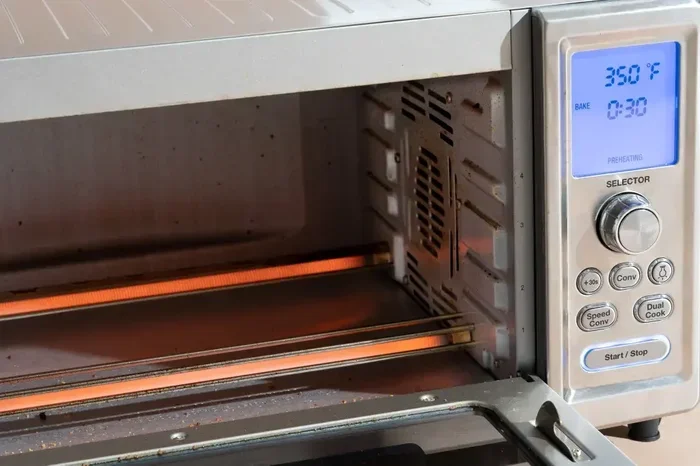
- Wait for the Signal: Most toaster ovens beep or flash a light when they reach 375 degrees. Some models show the temperature on a digital display.
- Place Your Food Inside: As soon as the preheat signal sounds, put your food in the oven. This ensures the best cooking results.
Quick Tips for Each Step
- Tip 1: Use oven mitts when handling hot trays and racks.
- Tip 2: Do not crowd the oven. Leave space around the food for air to circulate.
- Tip 3: If your oven does not have a preheat signal, use an oven thermometer to check the temperature.
- Tip 4: Place the rack in the middle position for even heat distribution.
Following these steps every time builds a good habit. Your food will turn out better, and you will save energy. Consistency is the secret to great toaster oven cooking.
Tips For Getting The Best Results
Preheating is just one part of the equation. A few extra tips take your toaster oven cooking to the next level. These small changes make a big difference.
Use a Baking Stone or Sheet
Placing a baking stone or sheet inside the oven during preheat helps retain heat. When you slide your food onto the hot stone, it gets an immediate burst of heat. This creates a crispy bottom on pizzas, bread, and roasted vegetables.
Do Not Open the Door Too Often
Every time you open the oven door, heat escapes. The oven then needs extra time to recover to 375 degrees. Try not to peek too often. Use the oven light to check on your food instead. Keeping the door closed maintains a steady temperature.
Rotate Your Food Halfway Through
Toaster ovens can have hot spots. The area near the heating element gets hotter than the rest. Rotating your pan or tray halfway through cooking ensures even browning. This simple trick prevents one side from burning while the other stays pale.
Let Food Come to Room Temperature
Taking food out of the fridge 10 to 15 minutes before cooking helps it cook more evenly. Cold food placed in a hot oven can cook unevenly. The outside overcooks while the inside stays cold. A quick tempering step goes a long way.
Clean Your Oven Regularly
Grease and food buildup inside the oven affect heating performance. A dirty oven takes longer to preheat and may not heat evenly. Wipe down the interior after each use. A clean oven heats faster and lasts longer.
Invest in an Oven Thermometer
Not all toaster ovens display the temperature accurately. An inexpensive oven thermometer placed inside the oven tells you the real temperature. This is especially helpful if your oven runs hot or cold. A small tool that makes a big impact.
Common Mistakes People Make When Preheating
Even experienced cooks make preheating mistakes. Avoiding these common errors improves your results. Read through this list and see if you spot any habits to change.
Skipping Preheat Entirely
The biggest mistake is not preheating at all. Some people put food in a cold oven and hope for the best. This leads to longer cook times and uneven results. Always preheat, especially for baked goods and frozen foods.
Opening the Door Repeatedly
Peeking inside the oven slows down preheating. Heat escapes every time the door opens. Wait until the preheat signal appears before checking. Trust the process and let the oven do its job.
Overcrowding the Oven
Packing too much food into the oven blocks airflow. This creates hot and cold spots. Food on the edges cooks faster than food in the center. Give each item enough space for the hot air to circulate properly.
Using the Wrong Rack Position
Placing the rack too close to the top heating element burns the top of your food. Placing it too low leaves the bottom undercooked. The middle rack position works best for most recipes at 375 degrees.
Ignoring the Preheat Signal
Some people see the preheat light turn off and wait a few extra minutes. Others put food in the instant the light goes off. The best practice is to add food right when the signal appears. Waiting too long wastes energy, and waiting too short means your oven is not fully heated.
Not Accounting for Your Specific Model
Every toaster oven is different. Your neighbor’s oven may preheat in 5 minutes, but yours might take 8. Learn your own oven’s timing. Keep a mental note of how long it takes to reach 375 degrees. Over time, you will know exactly when your food is ready to go in.
Avoiding these mistakes saves time, energy, and frustration. Simple changes in your routine lead to noticeably better food.
How Toaster Oven Preheat Compares To Regular Ovens
A toaster oven preheats faster than a full-size conventional oven. A regular oven typically takes 10 to 15 minutes to reach 375 degrees. A toaster oven takes about half that time. This is one of the biggest advantages of using a compact oven.
The smaller interior size is the main reason. There is less air to heat up. The heating elements are closer to the food. This means faster preheat times and less energy use. If you are cooking for one or two people, a toaster oven is often the better choice.
Here is a quick comparison:
| Feature | Toaster Oven | Regular Oven |
|---|---|---|
| Preheat Time to 375 | 5 to 10 minutes | 10 to 15 minutes |
| Energy Use | Lower | Higher |
| Interior Size | Small to medium | Large |
| Best For | Small meals, reheating, snacks | Large meals, multiple dishes |
| Heat Distribution | Can have hot spots | More even overall |
Both types of ovens have their place. The toaster oven wins for speed and efficiency. The regular oven wins for capacity and even heating. Choose based on what you are cooking and how many people you are feeding.
Key Takeaways
- Preheat Time Range: Most toaster ovens take 5 to 10 minutes to reach 375 degrees.
- Wattage Is Key: Higher wattage ovens preheat faster than lower wattage models.
- Use the Convection Setting: If your oven has one, it cuts preheat time significantly.
- Wait for the Signal: Always wait for the preheat indicator before adding food.
- Avoid Common Mistakes: Do not skip preheat, overcrowd the oven, or open the door too often.
- Keep It Clean: A clean oven heats faster and performs better.
Conclusion
How long does it take to preheat a toaster oven to 375? The answer is usually between 5 and 10 minutes. This simple fact can transform your cooking. A properly preheated oven gives you evenly cooked food, better texture, and shorter overall cook times.
Remember the factors that affect preheat time. Wattage, oven size, convection, and room temperature all play a role. Follow the step-by-step guide for consistent results. Avoid the common mistakes that slow you down. And use the tips in this article to get the most out of your toaster oven.
Preheating takes just a few minutes, but it makes a world of difference. Next time you cook, give your oven the time it needs. Your food will thank you. Make preheating a habit, and you will notice better results with every meal.
Frequently Asked Questions
Can I put food in the toaster oven before it finishes preheating?
It is best to wait until the oven reaches 375 degrees before adding food. Putting food in too early leads to longer cook times and uneven results. The only exception is reheating leftovers, which does not require a full preheat.
Does opening the oven door affect preheat time?
Yes, opening the door lets hot air escape and slows down preheating. Every time you open the door, the oven needs extra time to recover to 375 degrees. Use the oven light to check on your food instead of opening the door.
Can I use aluminum foil during preheating?
Avoid placing foil on the oven floor or covering the heating elements during preheating. Foil can block heat flow and cause uneven heating. You can use foil on a baking tray for cooking, but keep it away from the heating elements.
How do I know if my toaster oven has reached 375 degrees?
Most toaster ovens have a preheat light or beep that signals when the target temperature is reached. If your model does not have this feature, use a small oven thermometer placed inside to check the actual temperature.
Is it safe to preheat a toaster oven with nothing inside?
Yes, preheating an empty toaster oven is safe and is actually recommended. An empty oven heats up faster and more evenly. Just make sure the oven is clean and free of any leftover food or debris before preheating.
How often should I calibrate my toaster oven temperature?
Check your oven temperature every few months with an oven thermometer. Over time, thermostats can drift and become less accurate. If your oven runs more than 25 degrees off from the set temperature, consider having it serviced or adjusting your cooking times accordingly.