How To Cook Boudin Links In Oven For Crispy Results
Cooking boudin links in the oven is one of the simplest ways to achieve crispy, golden-brown results without standing over a hot stove. This guide walks you through the entire process, from selecting the right links to pulling them out perfectly cooked. You will learn the ideal oven temperature, timing, and several tips to elevate your boudin game.
There is something deeply satisfying about pulling a tray of boudin links out of the oven and hearing that first light crunch of the casing. Whether you grew up eating Cajun boudin in Louisiana or you are just discovering this delicious sausage, learning how to cook boudin links in the oven opens up a world of easy, hands-off cooking. No need to stand over a stovetop or monitor a skillet. The oven does all the work for you.
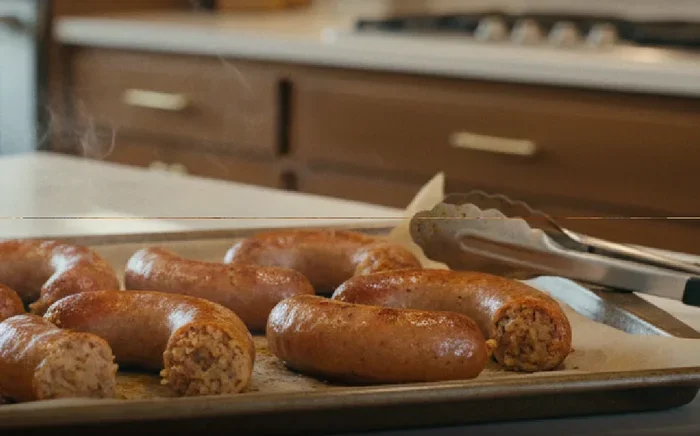
Boudin links are a staple of Southern cuisine, especially in Louisiana where they are a beloved part of the food culture. These savory sausages are typically made with a mix of pork, rice, onions, and spices packed into a natural casing. When cooked correctly, the outside turns golden and slightly crunchy, while the inside stays juicy and full of flavor. Oven-baked boudin is one of the best methods to achieve that perfect balance of crispy and tender.
In this guide, we will walk you through everything you need to know about baking boudin links in the oven. From picking the right links to setting the temperature, timing, and serving suggestions, you will have all the tools you need to make restaurant-quality results at home. Let us get started.
Key Takeaways
- Oven Temperature: Bake boudin links at 375°F to 400°F for even cooking and a crispy exterior.
- Cooking Time: Most boudin links take 25 to 35 minutes, depending on size and whether they are frozen.
- Crispy Skin: A light coat of oil and flipping halfway through ensures a perfectly crisp casing.
- Internal Temperature: Always check that boudin reaches 160°F internally for food safety.
- Wire Rack Method: Using a wire rack on a baking sheet promotes airflow and uniform crispiness.
- Avoid Overcrowding: Leave space between links so heat circulates properly around each one.
- Resting Time: Let boudin rest for 3 to 5 minutes after baking for the best texture and flavor.
📑 Table of Contents
- Why Cook Boudin Links In The Oven?
- Choosing The Right Boudin Links
- How To Cook Boudin Links In The Oven: Step By Step
- Tips For Perfectly Crispy Boudin
- Common Mistakes To Avoid
- Serving Suggestions for Baked Boudin
- Storing and Reheating Leftover Boudin
- Boudin Cooking Techniques Compared
- Frequently Asked Questions
- Final Thoughts
Why Cook Boudin Links In The Oven?
You might be wondering why you should bother using the oven instead of boiling or pan-frying your boudin. There are several great reasons that make oven-baked boudin a standout choice for home cooks.
Hands-Off Cooking
Once you place the links in the oven, you can walk away. Unlike stovetop cooking where you need to flip and monitor the links constantly, the oven handles everything on its own. This makes oven-baked sausage a perfect option when you are entertaining guests or preparing multiple dishes at once.
Even Cooking
The dry heat of an oven surrounds each link evenly. There are no hot spots or uneven browning like you might get in a skillet. This means every bite of your crispy boudin will have a consistent texture from end to end.
Easy Cleanup
Compared to frying, which can leave grease splatters all over your stovetop, oven cooking is much cleaner. A simple sheet pan with a lining is all you need. When you are done, you toss the liner and wash the pan. Done.
Batch Cooking Made Simple
If you are cooking for a crowd, the oven is your best friend. You can fit a large number of boudin links on a single sheet pan and bake them all at once. This is ideal for parties, game days, or family dinners where everyone wants a taste of that golden brown boudin.
Choosing The Right Boudin Links
Not all boudin links are created equal. The quality and type of link you choose will have a big impact on your final results. Here is what to look for when you are shopping for Cajun boudin.
Fresh vs Frozen
You can find fresh boudin links at most butcher shops and Southern grocery stores. These are ready to cook and will give you the best texture. Frozen boudin links work too, but you will need to adjust your cooking time. Always thaw frozen links in the refrigerator overnight before baking for the best results.
Casings: Natural vs Collagen
Natural casings give boudin that satisfying snap when you bite into it. They also crisp up beautifully in the oven. Collagen casings are more common in mass-produced links and tend to be softer. If you want that classic crispy bite, look for links with natural casings.
Where to Buy
Your best sources for quality boudin include local butcher shops, Cajun markets, and specialty food stores. If you cannot find fresh boudin nearby, many online retailers ship frozen links directly to your door. Just make sure to check reviews and ingredients before purchasing.
How To Cook Boudin Links In The Oven: Step By Step
Now for the part you have been waiting for. Here is the complete process for how to cook boudin links in the oven for crispy, delicious results every single time.
Step 1: Preheat Your Oven
Set your oven to 375°F. This temperature is the sweet spot for boudin cooking temperature. It is hot enough to crisp up the casing without burning the filling inside. While the oven is heating up, line a baking sheet with parchment paper or aluminum foil. This makes cleanup a breeze.
Step 2: Prepare the Links
Take your boudin links out of the packaging and pat them dry with a paper towel. This step is important because moisture on the surface can prevent the casing from crisping up. If you want an extra layer of flavor, lightly brush each link with a thin coat of olive oil or melted butter.
Step 3: Arrange on a Wire Rack
Place the links on a wire rack set over a baking sheet. The wire rack allows hot air to flow around the links from all sides, which promotes even browning. This is the same technique used for oven-baked sausage and works wonders for achieving a uniform crispy texture. Make sure to leave at least an inch of space between each link so the heat can circulate freely.
Pro tip: If you do not have a wire rack, you can place the links directly on the lined baking sheet. Just be sure to flip them halfway through cooking to brown both sides evenly.
Step 4: Bake for 25 to 35 Minutes
Place the baking sheet in the preheated oven and set a timer for 25 minutes. At the 25-minute mark, check the links. They should be turning golden brown on the outside. If you prefer a deeper crunch, continue baking for an additional 5 to 10 minutes. Keep a close eye on them during the last few minutes to prevent burning.
Step 5: Check the Internal Temperature
This is a critical step that should never be skipped. Use a meat thermometer to check the boudin internal temperature. The links should reach 160°F in the thickest part. This ensures that the sausage is fully cooked and safe to eat. If the links are not quite at temperature yet, pop them back in the oven for a few more minutes.
Step 6: Rest and Serve
Once your crispy boudin is done, remove the tray from the oven and let the links rest for 3 to 5 minutes. This resting period allows the juices to redistribute throughout the filling, which means every bite will be moist and flavorful. After resting, slice the links on a diagonal and serve immediately.
Tips For Perfectly Crispy Boudin
Getting that ideal crunch on your boudin links is an art, but it is a simple one once you know the tricks. Here are some expert tips to take your baked boudin links from good to absolutely perfect.
Use a Light Coating of Oil
A very thin layer of oil on the outside of the links helps the casing brown and crisp up faster. Do not drench them in oil. Just a light brush or spray is enough. Too much oil can make the links greasy instead of crispy.
Do Not Overcrowd the Pan
It can be tempting to fit as many links as possible on one sheet pan, but overcrowding traps steam and prevents crisping. Give each link room to breathe. If you need to cook a large batch, use two sheet pans and rotate them in the oven halfway through.
Flip Halfway Through
This single step makes a huge difference. Flipping the links at the halfway point ensures both sides get equal exposure to the heat. You will end up with an even golden color all around each link. Think of it like turning barbecue meatballs in the oven to get that perfect all-around browning.
Preheat the Baking Sheet
For an extra crispy start, try preheating your baking sheet in the oven before placing the links on it. The hot sheet immediately begins crisping the bottom of the casing. This trick works wonders for achieving that first-crunch bite.
Watch the Oven Closely Near the End
Ovens can vary in temperature, and the difference between perfectly crispy and burnt is just a few minutes. Set a timer and check your links frequently during the last 10 minutes of cooking. Every oven is different, so trust your eyes and your thermometer more than the clock.
Common Mistakes To Avoid
Even experienced cooks can make mistakes when baking boudin links. Here are some common pitfalls and how to avoid them.
Skipping the Parchment Paper
Boudin can stick to bare baking sheets and tear the casing when you try to remove them. Lining your pan with parchment paper or a silicone mat prevents sticking and makes serving much easier.
Cooking at Too High a Temperature
It might seem like a higher temperature would crisp things up faster, but it can actually burn the outside before the inside is fully cooked. Stick to 375°F for reliable results. If you are curious about high-heat oven techniques, you might enjoy learning about how long to cook stuffing in oven at 400 for another example of managing higher temperatures.
Not Using a Thermometer
Guessing whether boudin is done can lead to undercooked or overcooked links. A simple meat thermometer takes the guesswork out of the process entirely and ensures food safety every time.
Cutting Into the Links Too Soon
It is tempting to slice into a freshly baked link to check if it is done, but this releases valuable juices and can make the interior dry. Trust your thermometer and let the links rest before cutting.
Serving Suggestions for Baked Boudin
Crispy oven-baked boudin is delicious on its own, but pairing it with the right sides and dips takes the experience to the next level. Here are some serving ideas that complement the rich, savory flavor of boudin.
Classic Dipping Sauces
- Creole mustard: A tangy, slightly spicy mustard that pairs perfectly with the rich pork filling.
- Remoulade sauce: A creamy, Cajun-style dipping sauce that adds a cool contrast to the warm, crispy links.
- Hot sauce: For those who like a little heat, a good Louisiana-style hot sauce is a natural pairing.
- Honey mustard: The sweetness of honey balances the savory spices in the boudin beautifully.
Side Dishes
- Collard greens or sautéed kale for a traditional Southern meal.
- Cajun-style dirty rice on the side.
- Grilled or roasted vegetables like okra, bell peppers, and zucchini.
- A simple green salad with a light vinaigrette to cut through the richness.
Boudin as an Appetizer
Baked boudin links make an excellent appetizer for parties and gatherings. Slice them into bite-sized rounds and serve them on a platter with your favorite dipping sauces. Your guests will be reaching for more before you know it. They also pair wonderfully with other oven-baked appetizers. If you enjoy experimenting with oven recipes, check out how to make barbecue meatballs in the oven for another crowd-pleasing dish that uses similar techniques.
Storing and Reheating Leftover Boudin
Leftover boudin links are never a bad thing, but proper storage is key to maintaining that crispy texture.
Storing Cooked Boudin
Let the links cool completely before storing them. Place them in an airtight container and refrigerate for up to 4 days. Avoid stacking the links on top of each other, as this can soften the casing.
Reheating for Crispy Results
The best way to reheat leftover boudin links is to pop them back in the oven at 350°F for about 10 to 15 minutes. This will restore the crispy exterior without drying out the filling. Avoid microwaving if you can, as it tends to make the casing rubbery and soft. If you must use a microwave, do so in short bursts and place a paper towel over the links to absorb excess moisture.
Freezing Boudin Links
If you have more boudin than you can eat in a few days, freezing is a great option. Wrap each link individually in plastic wrap, then place them in a freezer-safe bag. They will keep for up to 3 months. When you are ready to cook, thaw them overnight in the refrigerator and bake as usual.
Boudin Cooking Techniques Compared
There are several ways to cook boudin, and each method brings something different to the table. Here is a quick comparison of the most popular techniques.
| Method | Texture | Time | Best For |
|---|---|---|---|
| Oven-Baked | Crispy outside, juicy inside | 25-35 minutes | Even cooking, batch preparation |
| Boiled | Soft, tender | 10-15 minutes | Traditional texture, no casing crunch |
| Pan-Fried | Crispy with a sear | 8-12 minutes | Quick cook, intense browning |
| Grilled | Smoky, charred, crispy | 10-15 minutes | Outdoor cooking, smoky flavor |
Oven-baked boudin offers the best balance of convenience and results. It requires minimal effort while delivering consistent, crispy outcomes. If you are interested in other oven techniques for meats, you might find it helpful to read about how to cook 15 lb prime rib in the oven for more oven cooking insights. And if you are concerned about what cookware to use, always check that your materials are safe for high-heat cooking, like learning whether Pyrex is oven safe before using glass bakeware.
Frequently Asked Questions
Can You Cook Boudin Links From Frozen in the Oven?
Yes, you can cook boudin links straight from the freezer, but you will need to increase the cooking time by about 10 to 15 minutes. Make sure the internal temperature reaches 160°F before serving. For the best results, it is recommended to thaw the links in the refrigerator overnight first.
What Temperature Should Boudin Links Be Cooked To?
The safe internal temperature for cooked boudin links is 160°F. Use a meat thermometer inserted into the thickest part of the link to check. This ensures the pork and rice filling is fully cooked and safe to eat while remaining juicy inside.
How Long Does It Take to Bake Boudin Links at 375°F?
At 375°F, boudin links typically take 25 to 35 minutes to bake through. If you prefer a deeper golden color and extra crunch, you can extend the time to 40 minutes. Just be sure to flip the links halfway and monitor them closely toward the end of cooking.
Do You Need to Flip Boudin Links When Baking?
Yes, flipping the links halfway through baking is highly recommended. It ensures both sides of the casing get evenly browned and crispy. If you are using a wire rack, flipping is especially important because the bottom side can become pale without direct heat exposure.
Can You Reheat Baked Boudin Links in the Oven?
Absolutely. Reheating leftover boudin in the oven at 350°F for 10 to 15 minutes is the best way to restore the crispy casing. Avoid the microwave if possible, as it will soften the shell and make the texture less enjoyable.
What Is the Difference Between Boudin and Regular Sausage?
Boudin is a type of sausage that originated in Louisiana and is made with a unique filling of pork, rice, onions, and Cajun spices. Regular sausages typically do not include rice and may have different spice blends. The addition of rice gives boudin its distinctive soft yet hearty texture that sets it apart from other sausage varieties.
Final Thoughts
Cooking boudin links in the oven is one of the easiest and most rewarding ways to enjoy this iconic Cajun sausage. With just a few simple steps, you can achieve a crispy golden exterior and a juicy, flavorful interior that will have everyone coming back for more. Whether you are feeding a crowd or just treating yourself, oven-baked boudin delivers every time.
Remember the key points: preheat to 375°F, use a wire rack for airflow, flip halfway through, and always check that the internal temperature reaches 160°F. Avoid common mistakes like overcrowding the pan or skipping the parchment paper, and your results will be consistently excellent.
Now that you know how to cook boudin links in the oven for crispy results, it is time to put this knowledge to work. Grab a pack of quality boudin, preheat your oven, and enjoy the process of creating something truly delicious. Your kitchen is about to smell incredible, and your taste buds are in for a real treat. Happy cooking!