How And When To Put Glaze On Meatloaf In The Oven
When To Put Glaze On Meatloaf In The Oven at the right moment creates a beautiful caramelized crust. This guide reveals the perfect timing, glaze recipes, and oven tips for juicy, flavorful meatloaf. You’ll never burn your glaze again with these simple, proven steps.
There is nothing quite like a homemade meatloaf fresh out of the oven. The savory aroma fills the kitchen. The slice is tender and juicy. But what truly elevates a simple loaf into something spectacular? The answer is a perfectly timed glaze. Many home cooks wonder exactly when to put glaze on meatloaf in the oven. The timing makes all the difference between a dry, bland top and a sticky, caramelized masterpiece. In this guide, you will learn the ideal moment to add your glaze, the best recipes, and all the tips you need for oven-baked meatloaf success.
Glazing meatloaf is not just about looks. A good glaze adds moisture and flavor. It creates a protective barrier that locks in juices. It also gives you that beautiful glossy finish everyone loves. However, adding the glaze too early can ruin everything. The sugars burn. The meatloaf dries out. That is why knowing the right moment is so important. This article covers everything from basic meatloaf glaze recipes to oven temperature settings. You will walk away with a clear plan for your next meatloaf recipe.
Whether you are a beginner or a seasoned cook, these steps are simple to follow. We will break down the process into easy sections. You will learn how to make a quick glaze from pantry staples. We will also explore the science behind caramelization. By the end, you will understand exactly how long to cook meatloaf with glaze and why. Let us dive into the delicious world of oven-baked meatloaf.
Key Takeaways
- Apply glaze in the last 15–20 minutes: This prevents burning and lets the sugars caramelize perfectly.
- Use a sweet tomato-based glaze: A mix of ketchup, brown sugar, and mustard creates a classic flavor.
- Preheat the oven to 350°F: Consistent heat ensures even cooking and a sticky glaze.
- Baste the meatloaf twice: Apply half the glaze at the start of the final 20 minutes, then the rest at the end.
- Check internal temperature: The meatloaf must reach 160°F before glazing for food safety.
- Let it rest for 10 minutes: This allows the glaze to set and juices to redistribute.
- Experiment with variations: Try honey, maple syrup, or a tangy BBQ glaze for a twist.
📑 Table of Contents
Why Glazing Meatloaf Matters
A plain meatloaf is satisfying. But a glazed meatloaf is unforgettable. The glaze does more than add a pretty color. It transforms the entire eating experience. Understanding why glazing matters helps you appreciate the timing. Here are the key reasons to always glaze your meatloaf.
The Magic of a Caramelized Crust
When sugars and proteins heat together, they undergo a reaction called the Maillard reaction. This creates complex flavors and a golden-brown crust. A caramelized glaze adds a sweet, savory depth. It contrasts beautifully with the rich meat inside. Without a glaze, the top of the meatloaf can look pale and feel dry. The glaze provides a moist, flavorful first bite every time.
Glaze vs. No Glaze: What’s the Difference?
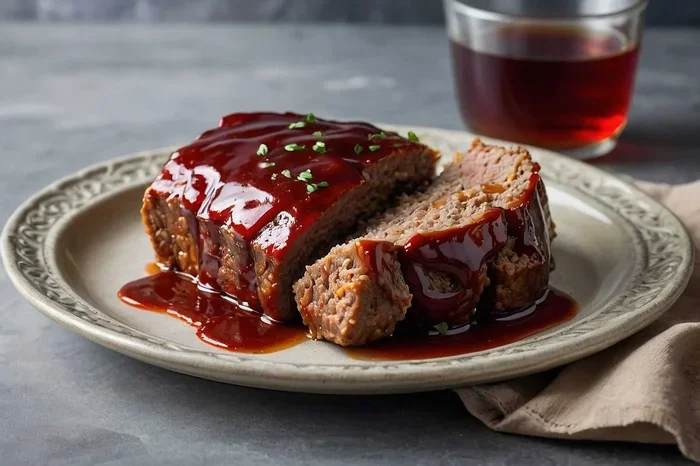
A side-by-side comparison shows the difference clearly. A meatloaf with no glaze has a matte, slightly crumbly top. The interior can be fine, but the exterior lacks appeal. A glazed meatloaf has a shiny, sticky surface. The crust is tender, not tough. The glaze also helps retain moisture during the last phase of cooking. Below is a quick comparison of the two approaches.
- Appearance: Unglazed meatloaf looks dull. Glazed meatloaf has a rich, appetizing shine.
- Texture: The glaze creates a slightly chewy, caramelized layer. Unglazed tops can be dry and crumbly.
- Flavor: A glaze adds a sweet, tangy, or savory boost. It balances the hearty meat flavor.
- Moisture: The glaze acts as a sealant. It traps juices inside the loaf.
The Best Time to Add Glaze
So, when to put glaze on meatloaf in the oven? The answer is simple but specific. You should add the glaze during the last 15 to 20 minutes of cooking. This is the golden window. Adding it too early exposes the sugars to prolonged heat. The glaze burns and turns bitter. Adding it too late means the glaze never has time to set and caramelize. The ideal timing depends on your oven temperature and the size of your meatloaf.
When to Put Glaze On Meatloaf In The Oven: The Golden Window
Most meatloaf recipes call for baking at 350°F. A standard 2-pound meatloaf takes about 60 to 75 minutes to cook. That means you should apply the glaze between the 45-minute and 55-minute marks. For a smaller 1-pound meatloaf, add the glaze after 30 minutes. The key is to watch the internal temperature. Once the meatloaf reaches 150°F, you are close to the finish line. Apply the glaze and let it cook for the final 15 to 20 minutes. This gives the glaze time to thicken and caramelize without burning.
How Long Should Glaze Cook?
The glaze needs at least 10 to 15 minutes in the oven to set. During this time, the sugars bubble and turn sticky. The flavors meld together. If you put the glaze on at the 50-minute mark for a 70-minute cook, it gets 20 minutes of oven time. That is perfect. You can also baste the meatloaf twice. Apply half the glaze at the 45-minute mark. Then apply the rest at the 60-minute mark. This creates a thicker, more layered flavor.
How to Make a Perfect Meatloaf Glaze
Making a glaze is incredibly easy. You probably already have the ingredients in your pantry. The best meatloaf glaze balances sweet, tangy, and savory notes. A classic tomato-based glaze is the most popular. But you can also try sweet glaze for meatloaf variations. Here are two foolproof recipes you can use right away.
Classic Tomato-Based Glaze Recipe
This is the go-to recipe for a traditional meatloaf. It uses simple ingredients and comes together in just two minutes.
- 1/2 cup ketchup
- 2 tablespoons brown sugar
- 1 tablespoon yellow mustard
- 1 teaspoon apple cider vinegar
- A pinch of salt and pepper
Mix all the ingredients in a small bowl until smooth. You want the glaze to be pourable but not too watery. If it is too thick, add a teaspoon of water. If it is too thin, add a little more brown sugar. This glaze is perfect for a standard loaf and delivers that classic sweet and tangy flavor.
Sweet and Tangy Variations
Once you master the classic, you can experiment. Here are three delicious variations to try.
- Honey Maple Glaze: Replace the ketchup with 1/4 cup tomato paste. Add 2 tablespoons honey and 1 tablespoon maple syrup. This creates a rich, autumnal flavor.
- BBQ Glaze: Use your favorite barbecue sauce as the base. Thin it with a little apple cider vinegar if needed. This gives a smoky, sweet twist.
- Tangy Mustard Glaze: Use whole grain mustard as the main ingredient. Mix with a touch of honey and a splash of white wine vinegar. It pairs beautifully with pork meatloaf.
No matter which glaze you choose, the application method matters. Use a silicone brush to spread the glaze evenly. Do not drown the meatloaf. A thin, even coat is all you need. Too much glaze can make the top soggy.
Oven Temperature and Timing for Glazed Meatloaf
Getting the oven temperature right is just as important as the glaze timing. The oven needs to be hot enough to cook the meat safely but not so hot that the glaze burns. A steady 350°F is the sweet spot for most meatloaf recipes. This temperature allows the meat to cook evenly while the glaze slowly caramelizes.
Setting the Right Oven Temperature
Always preheat your oven before placing the meatloaf inside. A cold oven leads to uneven cooking. The meatloaf may take longer to reach the safe internal temperature of 160°F. Once the oven is preheated, the meatloaf goes in uncovered. Do not cover the meatloaf with foil while glazing. The foil traps steam and prevents the glaze from caramelizing. You want dry heat to create that sticky, shiny top.
Meatloaf Cooking Time with Glaze
The total cooking time depends on the size and shape of your meatloaf. A standard loaf baked in a 9×5-inch pan takes about 60 to 75 minutes at 350°F. A free-formed loaf on a sheet pan may cook faster, around 45 to 55 minutes. Use a meat thermometer to check doneness. Insert it into the center of the loaf. The internal temperature should read 160°F for beef and pork. For turkey meatloaf, aim for 165°F. Once the meatloaf hits the target temperature, you can apply the glaze if you have not already. Then return it to the oven for the final 10 to 15 minutes.
Glaze Comparison Table
| Glaze Type | Best For | Cook Time After Glazing | Flavor Profile |
|---|---|---|---|
| Classic Tomato | Beef or pork meatloaf | 15–20 minutes | Sweet, tangy, savory |
| Honey Maple | Pork or turkey meatloaf | 15–20 minutes | Sweet, rich, autumnal |
| BBQ Glaze | Smoky flavor lovers | 15–20 minutes | Sweet, smoky, bold |
| Tangy Mustard | Pork or chicken meatloaf | 15–20 minutes | Tangy, sharp, zesty |
Common Mistakes When Glazing Meatloaf
Even experienced cooks make mistakes with meatloaf glaze. Knowing what to avoid saves you from a ruined top. Here are the most common errors and how to fix them.
Putting Glaze on Too Early
This is the number one mistake. If you put the glaze on at the start of cooking, the sugars burn long before the meat is done. The result is a black, bitter crust. The meat inside may still be raw. Always wait until the meatloaf is at least two-thirds cooked. This ensures the glaze has enough time to caramelize without scorching.
Using Too Much Sugar
Brown sugar and honey are great for flavor. But too much sugar causes the glaze to burn quickly. The glaze turns dark brown or black in minutes. Stick to the recipe ratios. If you want a less sweet glaze, reduce the sugar and add a splash of vinegar to balance the flavors.
Opening the Oven Door Too Often
Every time you open the oven door, the temperature drops. This extends the cooking time and can prevent the glaze from setting properly. Resist the urge to peek. Use the oven light to check on the meatloaf. Trust your meat thermometer. The internal temperature tells you everything you need to know.
Skipping the Rest Time
When the meatloaf comes out of the oven, it is tempting to slice right away. But the meatloaf needs to rest for 10 minutes. The juices redistribute throughout the loaf. The glaze also sets and becomes less sticky. Cutting too early causes the meatloaf to fall apart and lose moisture. Use this resting time to clean up or prepare a simple side dish.
Pro Tips for the Perfect Glaze
These meatloaf tips come straight from professional kitchens. They will help you achieve a flawless glaze every single time. Follow these simple steps and watch your meatloaf transform.
Quick Tips for a Sticky, Shiny Finish
- Brush the glaze on thin: A light, even coat caramelizes better than a thick glob.
- Use a silicone basting brush: It spreads the glaze smoothly without soaking the meat.
- Let the glaze come to room temperature: Cold glaze from the fridge can cool down the meatloaf surface. Room temperature glaze adheres better.
- Add a pinch of smoked paprika: This gives the glaze a subtle smokiness that complements the sweetness.
- Baste twice for extra flavor: Apply half the glaze at the 45-minute mark and the rest at the 60-minute mark.
Expert Insights from Professional Chefs
Professional chefs know that the glaze is the finishing touch. Chef Maria Gonzalez recommends using a mix of ketchup and a little fish sauce for an umami boost. She says, “The glaze should be thin enough to bubble but thick enough to coat. Apply it late, and let the oven do the work.” Chef David Chen prefers a glaze with a splash of soy sauce and rice vinegar. He adds, “The acid in the vinegar balances the sweetness and cuts through the richness of the meat.” These small additions elevate a simple meatloaf glaze recipe into something extraordinary.
Key Takeaways
Remember these core points for perfect meatloaf every time. The timing of the glaze is everything. The right glaze adds flavor, moisture, and beauty. Follow the steps below to nail it.
- Apply glaze in the last 15–20 minutes of cooking. This prevents burning and ensures caramelization.
- Use a simple tomato-based glaze or try a sweet variation. Ketchup, brown sugar, and mustard is a classic starting point.
- Bake at a steady 350°F. Consistent heat cooks the meat safely and sets the glaze perfectly.
- Check the internal temperature with a meat thermometer. The meatloaf must reach 160°F before glazing for the final phase.
- Avoid common mistakes like adding glaze too early or using too much sugar. These lead to a bitter, burnt top.
- Let the meatloaf rest for 10 minutes before slicing. This allows the glaze to set and the juices to redistribute.
Conclusion
Mastering when to put glaze on meatloaf in the oven is a simple skill that changes everything. The right timing gives you a sticky, caramelized crust that locks in juicy, flavorful meatloaf. You now know the golden window of the last 15 to 20 minutes. You have easy glaze recipes to try. You understand oven temperature and cooking time. You also know the common pitfalls to avoid. Next time you prepare a meatloaf recipe, remember these tips. Your family and guests will notice the difference. A perfectly glazed meatloaf is a centerpiece dish that brings everyone to the table. So preheat that oven, brush on the glaze at the right moment, and enjoy the delicious results. Happy cooking!
Frequently Asked Questions
Can I put glaze on meatloaf at the beginning of cooking?
No, putting glaze on at the start will cause the sugars to burn. The glaze turns bitter and black long before the meat is cooked through. Always wait until the last 15 to 20 minutes of baking.
What is the best meatloaf glaze recipe for beginners?
The classic tomato glaze is the easiest and most forgiving. Mix 1/2 cup ketchup, 2 tablespoons brown sugar, and 1 tablespoon mustard. Brush it on during the final 20 minutes of cooking for a perfect finish.
How do I know when the meatloaf is done before glazing?
Use a meat thermometer inserted into the center. The internal temperature should reach 160°F for beef and pork. Once it hits 150°F, you can apply the glaze for the final cook.
Can I use a store-bought glaze for meatloaf?
Yes, store-bought glazes work well in a pinch. Look for a glaze with a balanced sweet and tangy flavor. Apply it the same way you would a homemade glaze, during the last 15 to 20 minutes.
Why did my meatloaf glaze burn even though I applied it late?
This usually happens if the oven temperature is too high or if the glaze contains too much sugar. Reduce the oven to 350°F and use a thin, even coat. You can also add a little vinegar to slow down caramelization.
Should I cover the meatloaf with foil after glazing?
No, do not cover the meatloaf after glazing. The glaze needs dry heat to caramelize and become sticky. Covering it traps steam and prevents the glaze from setting properly.