What Temp To Warm Food In Oven Without Drying It Out
Warming food in the oven at the right temperature is the best way to reheat leftovers without drying them out. Most foods reheat well between 200°F and 325°F, depending on the dish. Using a low and slow approach, covering dishes with foil, and adding a splash of liquid are the top secrets to keeping meals moist and flavorful. This guide covers exact temperatures, timing, and practical tips so your reheated food tastes just as good as fresh.
There is nothing worse than reheating last night’s dinner only to end up with a dry, tough, or rubbery mess. Whether you are warming up leftover pizza, roasted chicken, or a casserole, the temperature you choose matters a lot. Many people crank the oven too high and end up ruining perfectly good food.
The good news is that warming food in the oven without drying it out is completely doable. You just need the right temperature, a few simple tricks, and a little patience. This guide will walk you through everything you need to know about oven reheating temperatures, how long to warm different dishes, and the best practices for keeping your food moist and delicious.
By the end of this article, you will never have to settle for sad, overcooked leftovers again. Let us dive in and learn how to reheat food like a pro.
Key Takeaways
- Ideal Warming Temperature: Most foods reheat best between 200°F and 325°F, which prevents drying while ensuring food safety.
- Cover Your Dishes: Using aluminum foil or an oven-safe lid traps moisture and keeps food from becoming tough or stale.
- Low and Slow Wins: Gentle heat over a longer time preserves texture and flavor far better than high-heat reheating.
- Add Moisture: A splash of water, broth, or olive oil before reheating helps maintain juiciness in meats, grains, and vegetables.
- Use a Food Thermometer: Checking the internal temperature ensures your food is heated through and safe to eat.
- Avoid the Microwave When Possible: The oven provides more even reheating and better texture compared to microwaving.
- Rest Food After Warming: Letting dishes sit for a few minutes after reheating allows heat to distribute evenly.
📑 Table of Contents
The Best Temperature to Warm Food in Oven
When it comes to what temp to warm food in oven, there is no single magic number. The ideal temperature depends on the type of food you are reheating. However, a general rule of thumb is to keep your oven between 200°F and 325°F. This range provides gentle, even heat that warms food through without scorching or drying it out.
Higher temperatures might seem faster, but they often lead to uneven heating. The outside of your food can burn while the inside remains cold. Low and slow is the way to go for almost every dish.
Temperature Guide by Food Type
Different foods need different approaches. Here is a quick breakdown of the best oven warming temperatures for common dishes:
- Leftover Meat (Chicken, Beef, Pork): 250°F to 300°F. This low heat keeps proteins tender and prevents them from becoming tough.
- Roasted Vegetables: 300°F to 325°F. Vegetables reheat well at moderate temperatures and retain their slight crispness.
- Casseroles and Baked Dishes: 275°F to 325°F. These dishes benefit from medium heat that warms the entire dish evenly.
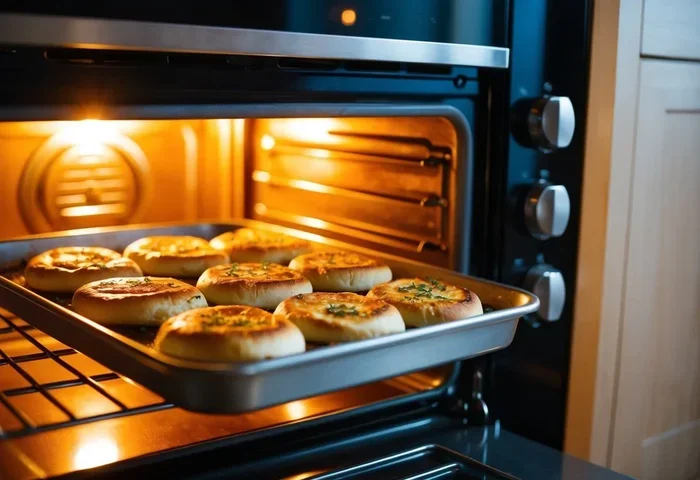
- Pizza and Bread: 350°F to 375°F. Slightly higher heat helps restore that crispy crust.
- Rice and Grains: 250°F to 275°F. Low heat prevents grains from hardening or becoming crunchy.
- Soups and Sauces: 250°F to 300°F. Use a covered oven-safe dish to retain moisture.
As a general best practice, always start at the lower end of the temperature range. You can always increase the heat slightly if the food is not warming fast enough. But once food has dried out or burned, there is no going back.
Why Low Heat Works Best for Reheating
When you use low heat, the food warms gradually. This gives heat time to penetrate to the center without overcooking the outer layers. High temperatures cause moisture to evaporate quickly, which is exactly what leads to dry, unappetizing food.
Think of it this way. When you first cooked the food, you likely used medium to high heat to cook it through. But reheating is different. You are not cooking raw food anymore. You are simply bringing already-cooked food back up to a safe eating temperature. Gentle heat is all you need.
How to Keep Food Moist When Reheating in the Oven
Moisture is the enemy of dried-out food. The good news is that keeping food moist during reheating is easy if you follow a few simple steps. These techniques work for almost any dish and make a huge difference in the final result.
Cover Your Dish with Aluminum Foil
This is the single most effective trick for keeping food from drying out in the oven. Covering your dish with a loose sheet of aluminum foil creates a mini steam environment. The foil traps moisture inside, which keeps food juicy and tender.
Do not wrap the foil tightly around the dish. You want some air circulation. A loose tent works perfectly. This allows heat to circulate while still trapping enough steam to keep things moist.
Add a Splash of Liquid
Before you pop your food in the oven, add a small amount of liquid. This could be water, broth, olive oil, or even a drizzle of butter. The liquid creates steam as it heats, which gently warms the food from the inside out.
For meats, a few tablespoons of broth or water works wonders. For rice or grains, a light sprinkle of water helps restore softness. Do not add too much liquid, or you will end up with soggy food. A little goes a long way.
Use an Oven-Safe Dish with a Lid
If you have an oven-safe dish with a matching lid, use it. Glass or ceramic lids work great and are even better than foil because they seal in moisture more effectively. Look for dishes that are labeled oven-safe and can handle the temperatures you will be using.
Some casserole dishes come with glass lids that are perfect for reheating. If you do not have a lid, aluminum foil is an excellent substitute.
Let Food Come to Room Temperature First
This is a tip many people overlook. Before reheating, let your leftovers sit at room temperature for about 15 to 20 minutes. This takes the chill off the center of the food, which means it heats more evenly and requires less time in the oven.
Less time in the oven means less chance of drying out. It is a simple step that makes a noticeable difference in the quality of your reheated meals.
Quick Tips for Moist Reheated Food
- Always use a loose foil tent or oven-safe lid.
- Add a tablespoon of water or broth before reheating.
- Let food sit at room temperature for 15 to 20 minutes first.
- Use oven-safe glass or ceramic containers when possible.
- Brush meats with a little olive oil before reheating.
- Place a damp paper towel over bread or pizza before warming.
Oven vs Microwave: Which Is Better for Warming Food
This is a debate that comes up often. The microwave is fast and convenient, but the oven delivers better results for many types of food. Let us look at the key differences between oven reheating and microwave reheating.
| Factor | Oven | Microwave |
|---|---|---|
| Moisture Retention | Excellent when covered | Often dries food out |
| Texture | Restores crispness and crust | Can make food rubbery or soggy |
| Heating Evenness | Even heat distribution | Often uneven, with hot spots |
| Speed | Slower (15 to 30 minutes) | Fast (1 to 5 minutes) |
| Best For | Meats, casseroles, pizza, bread | Soups, liquids, small portions |
| Food Quality | Closer to freshly cooked | Often noticeably different |
As you can see, the oven wins for most types of food when it comes to quality. The microwave is great for quick soups or small portions, but for anything where texture matters, the oven is the clear winner.
Use the microwave for liquids and soft foods. Use the oven for meats, baked dishes, pizza, bread, and anything where you want to maintain or restore texture. If you are short on time, you can also use a combination approach. Warm food in the microwave briefly, then finish it in the oven for a crispy finish.
Common Mistakes People Make When Warming Food in the Oven
Even with the best intentions, it is easy to make mistakes when reheating food. Here are the most common errors and how to avoid them.
Using Too High a Temperature
This is the number one mistake people make. They set the oven to 375°F or 400°F thinking it will warm food faster. But high heat dries out food quickly, especially meats and grains. Stick to the 200°F to 325°F range for best results.
Leaving Food Uncovered
Leaving your dish uncovered allows moisture to escape. This leads to dry edges and tough textures. Always cover your food with foil, a lid, or a damp paper towel unless you are specifically trying to crisp something up like pizza or bread.
Overheating Food
It is easy to leave food in the oven too long, especially if you get distracted. Overheating causes food to dry out and lose its flavor. Set a timer and check your food frequently. It is better to check early and add a few more minutes than to overheat and ruin the dish.
Skipping the Rest Time
After removing food from the oven, let it rest for a few minutes. The heat continues to distribute during this time, and the food settles into a more even temperature. Cutting into hot meat right away can cause juices to escape, leaving the meat drier.
Not Using an Oven-Safe Container
Using plastic or non-oven-safe containers is a safety hazard. Always transfer food to an oven-safe dish before reheating. Glass, ceramic, and metal containers labeled oven-safe are your best options.
Expert Insight from a Professional Chef
Many professional chefs recommend the 250°F rule for reheating most cooked foods. Set your oven to 250°F, place the food in an oven-safe dish, cover it loosely with foil, and warm it until it reaches the proper internal temperature. This method works for nearly everything from roasted meats to pasta dishes. The low heat gives the food time to warm through evenly without losing moisture or texture.
How Long to Warm Food in the Oven
Timing depends on the type of food and the temperature you are using. Here is a general guide for how long to reheat different foods in the oven:
- Small Portions (1 to 2 servings): 10 to 15 minutes at 250°F to 300°F.
- Medium Portions (3 to 4 servings): 15 to 25 minutes at 250°F to 300°F.
- Large Dishes (full casserole or roast): 25 to 40 minutes at 250°F to 300°F.
- Pizza or Bread: 8 to 12 minutes at 350°F to 375°F.
- Dense Meats (roast chicken, beef roast): 20 to 30 minutes at 250°F to 275°F.
These times are approximate. The best way to know if your food is ready is to check the internal temperature with a food thermometer. Most reheated foods should reach an internal temperature of 165°F for food safety.
For dishes with sauce or liquid, you can check by inserting the thermometer into the thickest part. For meats, check the thickest section away from the bone. Patience is key when reheating food in the oven. Rushing the process leads to uneven heating and dry results.
Expert Tips for Perfectly Warmed Food Every Time
Now that you know the basics, here are some advanced tips that will take your oven reheating to the next level.
Preheat the Oven Before Adding Food
Always preheat your oven to the target temperature before placing food inside. This ensures the food starts warming immediately and evenly. Putting cold food into a cold oven leads to uneven heating and longer cook times, which increases the risk of drying out.
Use the Convection Setting Wisely
Many modern ovens have a convection feature that circulates hot air for more even heating. This can be great for reheating, but use it at a lower temperature than you normally would. Reduce the temperature by about 25°F when using convection mode to prevent overcooking.
Reheat Saucy Foods in Covered Dishes
Sauces, gravies, and curries benefit greatly from being reheated in a covered dish. The lid traps steam, which keeps the sauce creamy and the food moist. Stir the food halfway through reheating to distribute heat evenly.
Crisp Up Food at the End
If you want crispy skin on chicken or a crunchy crust on bread, use a two-step process. Reheat the food covered at a low temperature first, then remove the cover and increase the heat to 375°F or 400°F for the last 5 to 10 minutes. This gives you the best of both worlds: moist interiors and crispy exteriors.
Store Leftovers Properly for Better Reheating
How you store food affects how well it reheats. Store leftovers in shallow, airtight containers in the refrigerator. Shallow containers cool food faster and more evenly, which reduces the risk of bacterial growth and helps the food reheat more evenly later.
Avoid stacking containers in the fridge. Air needs to circulate around them. And never leave cooked food at room temperature for more than two hours. Proper storage is the first step to perfect reheating.
Know When Not to Reheat
Some foods do not reheat well in the oven or at all. Fried foods tend to lose their crunch. Mayonnaise-based salads can become watery. Dairy-heavy sauces may separate. Knowing which foods to eat fresh saves you from disappointing results and potential food safety issues.
Conclusion
Warming food in the oven without drying it out comes down to three simple principles: use low heat, keep food covered, and add moisture when needed. By following the temperature guidelines in this article and avoiding common mistakes, you can reheat leftovers that taste almost as good as the first time around.
Remember that the ideal warming temperature is between 200°F and 325°F for most dishes. Use aluminum foil or oven-safe lids to trap moisture. Add a splash of liquid before reheating. And always let your food rest for a few minutes after warming.
These techniques work for virtually any type of food, from roasted meats to casseroles to pizza. Once you make the switch from microwave to oven reheating, you will notice a dramatic improvement in taste and texture. Your leftovers deserve better than a rubbery, dried-out result. Give your oven the chance to do what it does best, and you will never look back.
Start with the next meal you reheat. Use these tips, check the results, and adjust as needed. You will be surprised at how much better your leftovers can taste with just a little bit of know-how.
Frequently Asked Questions
What is the best temperature to warm food in oven without drying it out?
The best temperature range is between 200°F and 325°F for most foods. This low and slow approach heats food evenly without stripping away moisture. For specific dishes like pizza or bread, you can go up to 375°F for a short time to restore crispness.
Can I reheat food in the oven at 400°F?
It is not recommended for most foods. 400°F is too high for reheating and will likely dry out your food or burn the edges. Use 250°F to 325°F instead. If you do use a higher temperature, keep a close eye on the food and limit the time to prevent overcooking.
How long should I warm leftover food in the oven?
Most foods need 15 to 30 minutes at 250°F to 300°F. Smaller portions take less time, while larger dishes need more. Always check the internal temperature with a food thermometer to ensure the food reaches 165°F for safe eating.
Should I cover food with foil when reheating in the oven?
Yes, covering food with a loose tent of aluminum foil helps trap moisture and prevents drying. This is especially important for meats, rice, grains, and saucy dishes. Only leave food uncovered if you are intentionally trying to crisp it up, like with pizza or roasted vegetables.
Is it safe to reheat food in the oven multiple times?
It is best to reheat food only once. Each cycle of cooling and reheating increases the risk of bacterial growth and affects food quality. Store leftovers properly in the refrigerator and only reheat what you plan to eat in that sitting.
What is the difference between reheating and cooking food in the oven?
Cooking raw food requires higher temperatures to break down proteins and cook ingredients through. Reheating already-cooked food only needs gentle heat to bring it back up to a safe eating temperature. Using high heat to reheat food is unnecessary and leads to dried-out results.
=== META TITLE ===
What Temp To Warm Food In Oven Without Drying It Out
=== URL SLUG ===
/what-temp-to-warm-food-in-oven-without-drying-it-out
=== SEO TITLE ===
What Temp To Warm Food In Oven Without Drying It Out