How To Make Breakfast Sausage In The Oven Step By Step
Making breakfast sausage in the oven is one of the easiest and most reliable ways to prepare a delicious morning meal. This guide walks you through every step, from choosing the right meat to pulling perfectly cooked sausage from the oven. You will learn the ideal temperature, timing, and pro tips that guarantee juicy, flavorful results every single time.
There is something deeply satisfying about waking up to the smell of sausage cooking in the oven. Unlike stovetop cooking, which requires constant attention and flipping, how to make breakfast sausage in the oven lets you set it and forget it. You can prep the sausage the night before, pop it in the oven in the morning, and clean up your breakfast in minutes.
Whether you prefer classic pork sausage or want to try a lighter turkey version, baking sausage in the oven gives you consistent, even cooking every time. No more standing over a hot pan, flipping patties one by one. The oven handles the work for you, leaving you free to make coffee, toast, or scramble some eggs while your sausage cooks to perfection.
This guide covers everything you need to know about baking breakfast sausage at home. From the tools and ingredients you need to the exact temperature and timing, you will have all the information to make restaurant-quality sausage patties right in your own kitchen. Let us get started.
Key Takeaways
- Oven-baked breakfast sausage is simple: You need ground meat, seasoning, and a hot oven to get great results.
- The ideal temperature is 375°F to 400°F: This range cooks sausage evenly without drying it out.
- Prep time is minimal: Most recipes take less than 15 minutes of hands-on work before the oven does the job.
- You can use many meat types: Pork, turkey, chicken, and beef all work well for homemade sausage.
- Avoid common mistakes: Overcooking, skipping the rest period, and packing meat too tightly lead to dry sausage.
- Storage is easy: Baked sausage patties keep well in the fridge and freezer for quick reheating.
- Flavor variations are endless: Add herbs, spices, or cheese to customize your breakfast sausage to your taste.
📑 Table of Contents
- Why Bake Breakfast Sausage in the Oven?
- What You Need to Make Breakfast Sausage in the Oven
- Step-by-Step Instructions for Baking Breakfast Sausage
- Temperature and Timing Guide for Oven-Baked Breakfast Sausage
- Tips for Perfect Oven-Baked Breakfast Sausage
- Common Mistakes to Avoid When Baking Breakfast Sausage
- Delicious Variations on Oven-Baked Breakfast Sausage
- Storing and Reheating Your Baked Breakfast Sausage
- Frequently Asked Questions
- Conclusion
Why Bake Breakfast Sausage in the Oven?
Baking sausage in the oven offers several advantages over other cooking methods. First, it is hands-free. You form the patties, place them on a sheet pan, and let the oven do the work. There is no need to stand over a stove flipping sausages or worrying about splatter.
Second, oven-baked sausage cooks evenly. When you cook sausage on the stovetop, the outside can burn while the inside stays undercooked. The gentle, surrounding heat of an oven ensures the sausage cooks through uniformly. This means every bite is perfectly done from edge to center.
Third, baking allows you to cook large batches easily. If you are feeding a family or meal-prepping for the week, a single sheet pan can hold many sausage patties at once. This makes oven-baked breakfast sausage one of the most efficient ways to prepare a morning protein.
Finally, baked sausage tends to be healthier. Cooking in the oven renders out excess fat without the need for added oil or butter. The fat drips away from the meat as it cooks, leaving you with sausage that is flavorful but not greasy. If you want to learn more about oven-safe cookware, check out whether Pyrex dishes are oven safe for your baking needs.
What You Need to Make Breakfast Sausage in the Oven
Before you start, gather your ingredients and tools. The beauty of homemade sausage is that you do not need fancy equipment. A few simple items are all it takes to create something truly delicious.
Ingredients for Homemade Breakfast Sausage
- Ground meat: Pork is the traditional choice, but ground turkey, chicken, or beef all work well. Use meat with about 15 to 20 percent fat for the best flavor and texture.
- Salt: Fine sea salt or kosher salt enhances the natural meat flavor.
- Black pepper: Freshly ground black pepper adds a gentle heat and depth.
- Garlic powder: This gives sausage its classic savory backbone.
- Paprika: Smoked paprika adds a warm, slightly sweet smokiness.
- Fennel seeds (optional): These give Italian-style breakfast sausage its distinctive flavor.
- Red pepper flakes (optional): Add a kick of heat if you like spicy sausage.
- Sage (optional): Dried sage is a traditional seasoning for breakfast sausage.
Tools You Will Need
- A large mixing bowl for combining the meat and seasonings
- A baking sheet or sheet pan lined with parchment paper
- Parchment paper or a silicone baking mat to prevent sticking
- A spatula for flipping the sausage halfway through cooking
- A meat thermometer to check internal temperature
- Plastic wrap or parchment paper for shaping patties
If you are wondering about using different bakeware, you might also be curious whether 350°F translates correctly to a fan oven, since many recipes use this temperature as a baseline. Knowing your oven’s true temperature helps you bake sausage more accurately.
Step-by-Step Instructions for Baking Breakfast Sausage
Now let us walk through the actual process. Follow these steps closely, and you will have perfect sausage patties every time. This method works whether you are making two servings or a full week’s worth of breakfast.
Step 1: Preheat Your Oven
Start by preheating your oven to 375°F. This is the sweet spot for baking breakfast sausage. The moderate heat cooks the meat through without drying it out or burning the outside. If your oven tends to run hot, consider setting it to 350°F instead. While the oven heats, you can prepare the sausage mixture.
Step 2: Mix the Meat and Seasonings
Place your ground meat in a large mixing bowl. Add your salt, pepper, garlic powder, paprika, and any other seasonings you like. Use your hands to mix everything together thoroughly. Be gentle — you do not want to overwork the meat, or the sausage will become dense and tough.
Mix until the seasonings are evenly distributed. The mixture should look uniform in color with no pockets of seasoning sitting in one spot. This usually takes about one to two minutes of mixing by hand.
Step 3: Shape the Sausage Patties
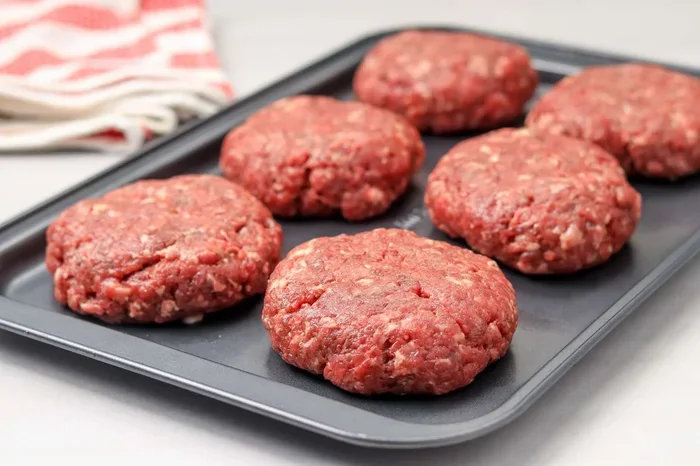
Divide the meat mixture into equal portions. For standard breakfast sausage patties, aim for about 3 to 4 ounces each. Roll each portion into a ball, then flatten it into a disc shape about ¾ inch thick.
Try to make all the patties the same size so they cook evenly. If you are using a recipe for oven-baked breakfast sausage with links instead of patties, simply shape the mixture into links and place them on the baking sheet with space between each one.
Pro tip: If the meat feels sticky, wet your hands slightly with water. This makes shaping much easier and keeps the mixture from clinging to your fingers.
Step 4: Arrange on the Baking Sheet
Line your baking sheet with parchment paper or a silicone mat. Place the sausage patties on the sheet, leaving about ½ inch of space between each one. This gap allows hot air to circulate around the sausage, which promotes even browning and cooking.
If you are cooking a large batch, use two sheet pans. Overcrowding the pan traps steam and can make your sausage soggy instead of crispy.
Step 5: Bake the Sausage
Place the baking sheet in the preheated oven on the middle rack. Bake for 20 to 25 minutes, flipping the patties halfway through. Flipping at the 10- to 12-minute mark ensures both sides get golden brown and crispy.
The sausage is done when it reaches an internal temperature of 160°F for pork and 165°F for poultry. Use a meat thermometer inserted into the thickest part of the patty to check. Do not rely on color alone, as some sausage can look done before it has reached a safe temperature.
While the sausage bakes, you might want to check out how to make barbecue meatballs in the oven for another delicious oven-based breakfast or brunch option.
Step 6: Rest the Sausage
Once the sausage is done, remove the baking sheet from the oven. Let the patties rest on the sheet for 3 to 5 minutes before serving. Resting allows the juices to redistribute throughout the meat, which makes each bite moist and flavorful.
If you skip the rest period, the juices will run out immediately when you cut into the sausage, leaving it dry. A short rest makes a big difference in texture and taste.
Temperature and Timing Guide for Oven-Baked Breakfast Sausage
Getting the temperature and timing right is the key to perfect sausage every time. Below is a quick reference guide to help you nail it on your first try.
| Meat Type | Oven Temperature | Cooking Time | Internal Temperature |
|---|---|---|---|
| Pork Sausage | 375°F | 20-25 minutes | 160°F |
| Turkey Sausage | 375°F | 20-25 minutes | 165°F |
| Chicken Sausage | 375°F | 18-22 minutes | 165°F |
| Beef Sausage | 400°F | 15-20 minutes | 160°F |
| Low-Fat Turkey | 350°F | 22-28 minutes | 165°F |
These times and temperatures are guidelines. Your oven may run slightly hotter or cooler than the dial shows. Always use a meat thermometer to confirm doneness. This is especially important for poultry-based sausages, which must reach a higher internal temperature to be safe.
If you are curious about how long different foods take in the oven, you might enjoy learning how long stuffing takes to cook at 400°F. The principles of oven timing apply similarly across many recipes.
Adjusting for Altitude
Living at a high altitude affects cooking times. At elevations above 3,000 feet, you may need to increase the oven temperature by 15 to 25°F and reduce cooking time slightly. Check your sausage a few minutes earlier than the recommended time to avoid overcooking.
Convection vs. Conventional Ovens
If you have a convection oven, reduce the temperature by 25°F from the standard recipe. Convection fans circulate hot air more efficiently, which cooks food faster and more evenly. For conventional ovens, stick with the recommended temperature and keep an eye on the sausage as it cooks.
Tips for Perfect Oven-Baked Breakfast Sausage
Even a simple recipe benefits from a few pro tips. These small adjustments can take your homemade sausage from good to outstanding. Here are the best tips I have gathered from years of baking sausage in the oven.
Use Cold Meat for Better Texture
Keep your ground meat cold until you are ready to shape the patties. Cold fat stays solid during mixing, which creates a juicier, more tender sausage after baking. If the meat warms up too much while you are working with it, pop the bowl in the fridge for a few minutes before shaping.
Do Not Overwork the Meat
Mix the seasonings in gently and stop as soon as everything is combined. Overworking the meat activates the proteins, which makes the sausage tough and dense. Think of it as handling the meat as little as possible for the best results.
Make Indentations
Use your thumb to press a small dimple in the center of each patty before baking. This prevents the sausage from puffing up into a ball during cooking. The result is a flat, even patty that cooks consistently on both sides.
Line Your Pan Properly
Parchment paper or a silicone baking mat makes cleanup a breeze and prevents the sausage from sticking. You can also use a wire rack placed over a baking sheet. The rack allows fat to drip away from the sausage, giving you a crispier result on all sides.
Flip Once, Halfway Through
Resist the urge to flip the sausage multiple times. Flip once, halfway through the cooking time. Multiple flips disrupt the browning process and can lead to uneven cooking. One well-timed flip gives you a beautiful golden crust on both sides.
Let the Sausage Cool Before Storing
If you are meal-prepping, let the sausage cool completely on the baking sheet before storing it in the fridge or freezer. Storing warm sausage creates condensation, which leads to soggy texture. Once cooled, store in an airtight container for up to 4 days in the refrigerator or up to 3 months in the freezer.
Common Mistakes to Avoid When Baking Breakfast Sausage
Even experienced cooks make mistakes sometimes. Knowing what to avoid saves you from dry, overcooked, or unevenly cooked sausage. Here are the most common errors and how to prevent them.
Overcooking the Sausage
This is the number one mistake people make. Sausage dries out quickly once it passes the ideal internal temperature. Set a timer and check the temperature early rather than relying solely on the clock. When in doubt, pull the sausage out slightly early and let carryover cooking finish the job.
Skipping the Rest Period
As mentioned earlier, resting the sausage after baking is essential. Cutting into hot sausage immediately releases all the juices onto the cutting board instead of staying in the meat. Give it at least 3 minutes of rest time.
Using Too Much Seasoning
More seasoning does not mean more flavor. Excessive amounts of salt, garlic powder, or spice can overpower the natural taste of the meat. Start with the recommended amounts and adjust in future batches based on your preference.
Overcrowding the Pan
Crowding the baking sheet traps steam and prevents proper browning. Give each patty enough space to breathe. If you need to cook more sausage, use a second sheet pan or bake in batches.
Not Letting the Meat Come to Room Temperature
Some recipes recommend letting the sausage mixture sit at room temperature for 10 to 15 minutes before shaping. This helps the seasonings meld with the meat and promotes more even cooking. It is a small step that makes a noticeable difference.
Delicious Variations on Oven-Baked Breakfast Sausage
Once you have mastered the basic recipe, the fun begins — experimenting with flavors. Breakfast sausage is incredibly versatile, and you can customize it to suit any palate. Here are some popular variations to try.
Classic Sage Breakfast Sausage
This is the traditional American breakfast sausage flavor. Add ½ teaspoon of dried sage to your basic recipe along with the standard seasonings. The sage gives the sausage that familiar, earthy flavor that pairs perfectly with eggs and toast.
Spicy Italian-Style Sausage
For a kick, add fennel seeds, red pepper flakes, and a pinch of crushed red pepper. This variation mimics the flavor of Italian sausage and works wonderfully in breakfast sandwiches or served alongside roasted peppers and onions.
Maple Breakfast Sausage
Add 1 tablespoon of pure maple syrup to the meat mixture before shaping. The maple adds a subtle sweetness that complements the savory meat. This variation is especially popular with kids and those who prefer a milder flavor profile.
Cheese-Stuffed Sausage Patties
Place a small cube of cheddar or pepper jack cheese in the center of each patty before closing it up. As the sausage bakes, the cheese melts inside, creating a gooey surprise in every bite. This is a crowd-pleaser at weekend brunch gatherings.
Herb-Forward Sausage with Rosemary and Thyme
Swap the sage for fresh rosemary and thyme. These herbs give the sausage a more Mediterranean flavor that pairs beautifully with roasted tomatoes and avocado on a breakfast bagel.
After you master how to make breakfast sausage in the oven, you will find yourself experimenting with new flavors every week. It is one of those recipes that rewards creativity and personal preference.
Storing and Reheating Your Baked Breakfast Sausage
One of the best things about oven-baked sausage is how well it stores. Whether you are meal-prepping for the week or making a double batch, proper storage keeps your sausage tasting fresh.
To store cooked sausage in the refrigerator, place the cooled patties in an airtight container. They will keep for up to 4 days. For longer storage, wrap individual patties in plastic wrap and place them in a freezer-safe bag. Frozen sausage patties last up to 3 months.
Reheating is simple. You can warm sausage in the oven at 350°F for about 5 to 7 minutes, or microwave individual patties for 30 to 45 seconds. The oven method preserves the crispy texture better, while the microwave is faster when you are in a rush.
For meal-preppers, consider baking a full batch on Sunday morning. You will have breakfast ready for the entire week with minimal daily effort. Pair your reheated sausage with eggs, toast, fruit, or whatever you enjoy for breakfast.
Frequently Asked Questions
Can I use a different type of meat to make breakfast sausage?
Absolutely. While pork is the most traditional choice, you can use ground turkey, chicken, beef, or even lamb. Keep in mind that leaner meats like turkey may dry out faster, so reduce the cooking time slightly and consider adding a teaspoon of olive oil to the mixture to keep it moist.
How do I know when breakfast sausage is done in the oven?
The most reliable way is to use a meat thermometer. Pork sausage should reach 160°F internally, while poultry sausage needs to reach 165°F. The sausage should also be browned on the outside and feel firm to the touch. Avoid cutting into the sausage to check, as this releases valuable juices.
Can I freeze raw sausage patties before baking them?
Yes, you can. Shape the patties, place them on a baking sheet lined with parchment paper, and freeze them until solid. Then transfer the frozen patties to a freezer-safe bag. When you are ready to bake, add 5 to 10 minutes to the cooking time since the sausage starts from frozen.
What is the best way to get crispy breakfast sausage in the oven?
Line your baking sheet with parchment paper or use a wire rack for the crispiest results. Make sure your patties are not too thick — ¾ inch is ideal. Flipping them halfway through cooking and ensuring there is space between each patty on the pan also promotes crispiness. If you want extra crunch, broil the sausage for the last 1 to 2 minutes of cooking, but watch it closely to prevent burning.
How long does homemade baked sausage keep in the fridge?
Cooked breakfast sausage keeps in the refrigerator for up to 4 days when stored in an airtight container. Make sure the sausage has cooled completely before sealing it. For longer storage, freeze the patties, where they will stay fresh for up to 3 months.
Can I add vegetables to the baking sheet with the sausage?
Yes, adding vegetables like bell peppers, onions, or diced potatoes to the same baking sheet is a great way to cook everything together. Just keep in mind that vegetables may require different cooking times. Cut them into small, uniform pieces so they cook at a similar rate to the sausage. You can also roast vegetables separately and combine them on the plate for serving.
Conclusion
Learning how to make breakfast sausage in the oven is one of the simplest and most rewarding cooking skills you can develop. It requires minimal effort, produces consistent results, and fills your kitchen with an incredible aroma that will wake up everyone in the house. Whether you stick with the classic pork recipe or experiment with turkey, cheese, or spicy variations, homemade oven-baked sausage beats anything you will find in the freezer aisle.
The process is straightforward: mix your meat and seasonings, shape the patties, bake at 375°F for 20 to 25 minutes, and let them rest before serving. Follow the tips in this guide, avoid the common mistakes, and you will have breakfast sausage that rivals any diner or restaurant. Once you start making your own, you will never go back to store-bought again.
Start with the basic recipe, master the technique, and then let your creativity run wild with flavors and seasonings. Breakfast sausage is a canvas for your personal taste, and the oven makes it easier than ever to get it right. Happy baking, and enjoy your next breakfast with perfectly cooked, homemade sausage.