What Temperature To Cook A Ham In The Oven Step By Step
Learning the right temperature to cook a ham in the oven is the key to a delicious holiday meal. This guide walks you through every step of baking a ham to perfection. You will learn the ideal oven settings, timing, and glaze recipes. Whether you have a spiral ham or a whole ham, this guide covers it all. Follow along for juicy, flavorful results every single time.
The aroma of a ham cooking temperature filling the kitchen is something every home cook loves. Whether you are preparing a holiday ham for Thanksgiving or a Sunday dinner centerpiece, getting the heat right matters. This step-by-step guide shows you exactly how to bake a ham in your oven with confidence.
What temperature to cook a ham in the oven is the first question every cook asks. The answer depends on the type of ham you have, its size, and whether it is fully cooked or raw. But the good news is that once you learn the basics, baking ham becomes simple and almost foolproof. In this guide, we break everything down so you can focus on making your meal special.
Below you will find everything you need to know about ham oven temperature, cooking times, glazes, and tips for the best results. We cover spiral ham, whole ham, bone-in ham, and boneless ham too. By the end, you will feel ready to tackle any ham recipe with ease.
Key Takeaways
- 325°F is the sweet spot: This is the recommended ham oven temperature for even cooking and juicy results.
- Plan for about 15-20 minutes per pound: The cooking time for ham varies based on size and type.
- Use a meat thermometer: The ham internal temperature should reach 140°F for precooked ham and 145°F for raw ham.
- Let the ham rest for 15-20 minutes: This ham resting time keeps the meat juicy and easy to carve.
- A simple glaze makes all the difference: Brown sugar, mustard, and cloves create a classic ham glaze that everyone loves.
- Cover with foil for the first half: This traps moisture and prevents the outside from drying out too early.
- Bone-in ham has more flavor: A bone-in ham stays juicier and adds richness to your oven-baked ham.
📑 Table of Contents
Understanding Your Ham: Types and Sizes
Not all hams are the same. Before you set the oven, it helps to know what kind of ham you are working with. Different types need different approaches to get the best results.
Bone-In Ham vs. Boneless Ham
A bone-in ham comes with the natural bone still inside. This type of whole ham tends to be more flavorful because the bone adds richness during cooking. It also stays juicier, which is a big plus for oven-baked ham. The downside is that it can be harder to carve neatly.
A boneless ham has the bone removed, usually rolled and tied. This makes it easier to slice and serve. It also cooks a bit more evenly since there is no bone acting as a heat barrier. Many people prefer boneless ham for its convenience, especially when serving a large crowd.
Spiral Ham and Precooked Ham
A spiral ham is a bone-in ham that has been pre-sliced in a spiral pattern. These are very popular for holiday meals because they are easy to serve. Most spiral hams are precooked ham, which means they just need to be heated through in the oven.
Precooked ham is fully cooked during processing. You only need to warm it to about 140°F. This makes the cooking process faster and simpler. Just be careful not to overheat it, or the meat can dry out quickly.
How Ham Size Affects Cooking
The size of your ham roast directly affects both the temperature and the time. A small ham might weigh 3 to 5 pounds, while a large one can be 10 pounds or more. As a general rule, plan for about 1/4 to 1/3 pound of ham per person at the table.
Larger hams take longer to cook, but the ham cooking temperature stays the same. A 10-pound ham might need 2.5 to 3 hours, while a 5-pound ham could be done in about 1.5 hours. Always use a ham thermometer to check the internal temperature rather than guessing by time alone.
The Ideal Oven Temperature for Ham
What temperature to cook a ham in the oven is the most important detail to get right. The standard ham oven temperature for almost all types of ham is 325°F. This moderate heat cooks the meat evenly without drying it out or burning the outside.
Why 325°F Works Best
At 325°F, the ham cooks slowly and evenly. This gentle heat allows the fat to render and the meat to stay moist. Higher temperatures can cause the outside to brown too quickly while the inside remains undercooked. Lower temperatures take too long and can leave the ham sitting in the danger zone for too long.
Some recipes call for starting at a higher temperature to create a nice crust, then lowering to 325°F. This works well for raw or partially cooked hams that need more time to reach a safe internal temperature. But for most oven-baked ham recipes, a steady 325°F is all you need.
Temperature Adjustments for Different Ham Types
While 325°F is the standard, there are a few situations where you might adjust it slightly:
- Spiral ham: Cook at 325°F for even heating through the pre-sliced sections.
- Raw ham: Start at 350°F for the first 15 minutes to kick-start browning, then reduce to 325°F.
- Very large hams (over 10 pounds): Stick with 325°F and extend the cooking time. Do not increase the temperature.
- Small hams (under 5 pounds): 325°F works perfectly. Just check the temperature earlier since they cook faster.
The key is consistency. Once you set the oven to 325°F, try to maintain that temperature throughout the cook. Opening the oven door too often can cause temperature fluctuations that affect how evenly your baking ham cooks.
How Long to Cook Ham in the Oven
The cooking time for ham depends on the weight, type, and whether it is precooked or raw. Here is a general breakdown to help you plan your meal timing.
Cooking Time Guide by Weight
Use this guide for a ham cooking temperature of 325°F:
- 3-5 pounds: About 1 to 1.5 hours
- 5-8 pounds: About 1.5 to 2 hours
- 8-10 pounds: About 2 to 2.5 hours
- 10-15 pounds: About 2.5 to 3.5 hours
These times are for precooked ham that you are simply reheating. Raw ham will take longer. Always use a ham thermometer to verify doneness.
The 15-20 Minutes Per Pound Rule
A handy rule of thumb is to plan for 15 to 20 minutes of cooking time per pound at 325°F. This works well for most ham roast sizes. If your ham has a thick glaze, you might add a few extra minutes to allow the glaze to set properly.
Keep in mind that these are estimates. Every oven is different. Some ovens run hot, while others run cool. This is another reason why a ham thermometer is so important. It takes the guesswork out of the equation entirely.
Using a Meat Thermometer for Perfect Results
A ham thermometer is the single best tool for ensuring your ham is cooked correctly. Insert the probe into the thickest part of the meat, avoiding the bone if you have a bone-in ham.
For precooked ham, the ham internal temperature should reach 140°F. For raw or fresh ham, it needs to reach 145°F with a three-minute rest time. These temperatures ensure food safety while keeping the meat tender and juicy.
Digital instant-read thermometers work best because they give you a reading in seconds. You can check the temperature multiple times without losing too much heat from the oven.
Making the Perfect Ham Glaze
A great ham glaze takes your oven-baked ham from good to outstanding. The glaze adds sweetness, shine, and flavor to the outside of the meat. There are many ham recipe variations, but a few classic combinations never fail.
Classic Brown Sugar Ham Glaze
This is the most popular glaze for brown sugar ham. It is simple, sweet, and caramelizes beautifully in the oven:
- 1 cup brown sugar, packed
- 1/4 cup Dijon mustard
- 2 tablespoons apple cider vinegar
- 1 tablespoon whole cloves (optional)
Mix these ingredients together and spread them over the ham during the last 30 minutes of cooking. The heat will melt the sugar and create a glossy, caramelized coating that everyone will love.
Honey and Pineapple Glaze
If you prefer a fruitier glaze, try this combination:
- 1/2 cup honey
- 1/2 cup pineapple juice
- 2 tablespoons butter, melted
- 1 teaspoon cinnamon
Brush this glaze on the ham every 15 minutes during the last 45 minutes of cooking. The pineapple juice adds a nice tang, and the honey gives it a beautiful golden color.
When to Apply the Glaze
Timing is everything when it comes to ham glaze. Apply the glaze during the last 20 to 30 minutes of cooking. If you put it on too early, the sugars can burn and turn bitter. If you put it on too late, it will not have time to caramelize properly.
For the best results, apply the glaze in two or three layers. Each layer adds more flavor and creates a thicker, more attractive coating. Remove the foil for the last 15 minutes to let the glaze set and develop a nice shine.
Checking Doneness, Resting, and Serving
Knowing when your oven-baked ham is done is just as important as getting the right ham cooking temperature. And resting the ham properly makes a big difference in the final result.
How to Tell When Ham Is Done
The most reliable way to check if your ham is done is with a ham thermometer. Insert it into the thickest section of the meat, away from the bone. Here are the target temperatures:
- Precooked ham: 140°F internal temperature
- Raw ham: 145°F internal temperature
- Leftover or reheated ham: 165°F for food safety
Besides temperature, you can also look for visual cues. A done ham will have a slightly browned exterior and the juices should run clear when you pierce the thickest part. The meat should feel firm but still give slightly when pressed.
Why Resting Time Matters
Ham resting time is a step many people skip, but it makes a real difference. When you take the ham out of the oven, the juices inside are very hot and active. If you cut into it right away, those juices run out, and the meat dries out.
Let the ham rest for 15 to 20 minutes before carving. This gives the juices time to redistribute throughout the meat. Tent the ham loosely with foil during this time to keep it warm without trapping too much steam.
The resting period also allows the internal temperature to rise by a few degrees. This carryover cooking brings the ham internal temperature up to the perfect serving level without overcooking the meat.
How to Carve Your Ham
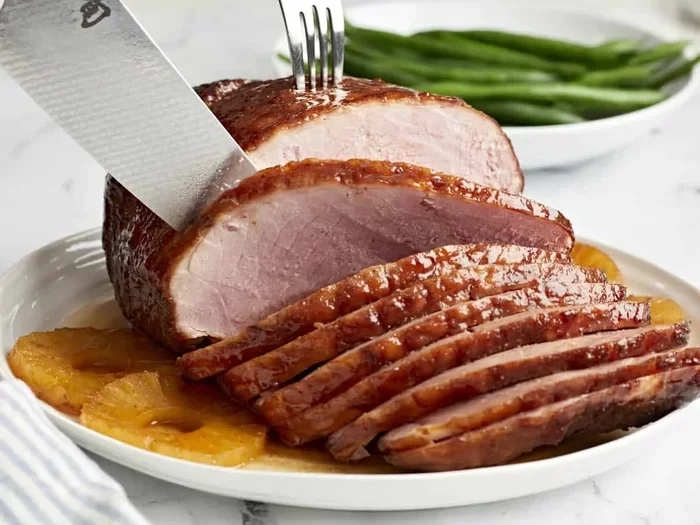
How you carve the ham affects both presentation and texture. For a bone-in ham, start by slicing along the bone to release the meat. Then cut thin, even slices perpendicular to the bone. This gives you the most meat and the best presentation. If you have a spiral-sliced ham, simply pull the slices apart along the pre-cut lines.
A boneless ham is easier to carve since there is no bone in the way. Slice against the grain for the most tender pieces. Cut thin slices, about 1/4 inch thick, for the best texture and flavor in each bite.
Storing Leftover Ham
Leftover oven-baked ham keeps well in the refrigerator for up to 5 days. Store it in an airtight container or wrap it tightly in plastic wrap. You can also freeze ham for up to 3 months. Just make sure to wrap it well to prevent freezer burn.
Leftover ham is incredibly versatile. Use it in sandwiches, soups, casseroles, and omelets. It reheats well in the microwave or oven at 325°F until warmed through. The ham cooking temperature for reheating leftovers is 165°F for food safety.
Tips for the Best Oven-Baked Ham
Even experienced cooks can make mistakes when baking ham. These practical tips will help you avoid common pitfalls and get the best results every time.
Quick Tips for Success
- Bring the ham to room temperature before cooking. Take it out of the fridge 30 to 60 minutes before it goes in the oven. This helps it cook more evenly.
- Score the ham before glazing. Use a sharp knife to cut shallow diamond patterns into the surface. This lets the glaze soak in and creates an attractive presentation.
- Cover with foil for the first half of cooking. This traps moisture and prevents the outside from drying out. Remove the foil when you add the glaze.
- Save the ham juices. The liquid in the bottom of the pan is full of flavor. Use it to make a simple pan sauce or gravy for serving.
- Do not overcook. Once the ham internal temperature reaches the target, pull it out. Overcooking is the most common mistake and leads to dry, tough meat.
Common Mistakes to Avoid
Here are a few errors that can ruin an otherwise perfect oven-baked ham:
- Using the wrong temperature. Cooking at too high a heat dries out the ham fast. Stick with 325°F for best results.
- Skipping the thermometer. Guessing doneness leads to either undercooked or overcooked ham. A ham thermometer removes all doubt.
- Adding the glaze too early. Sugary glazes burn easily. Always apply them in the last 20 to 30 minutes of cooking.
- Not letting the ham rest. Cutting too soon releases all the juices and leaves the meat dry.
- Forgetting to preheat the oven. A cold oven means uneven cooking. Always preheat to 325°F before the ham goes in.
Expert Insight: The Secret to Juicy Ham
Professional chefs agree that the secret to a juicy oven-baked ham comes down to three things: temperature control, moisture retention, and proper resting. Keep your oven at a steady 325°F, cover the ham with foil during the early cooking phase, and always let it rest before carving.
Another pro tip is to place a small amount of liquid in the bottom of the roasting pan. Water, apple juice, or even cola can add moisture to the oven environment and prevent the ham from drying out. This is especially helpful for larger whole ham cuts that cook for several hours.
Conclusion
What temperature to cook a ham in the oven really comes down to one simple answer: 325°F. This steady, moderate heat gives you the best results for every type of ham, from spiral ham to whole ham. The cooking time for ham will vary based on size, but with a ham thermometer in hand, you will never have to guess.
Remember to plan for 15 to 20 minutes per pound, apply your glaze in the final 20 to 30 minutes, and always let the ham rest for 15 to 20 minutes before carving. These simple steps transform a basic ham recipe into a show-stopping meal that your family and guests will love.
Whether this is your first time baking a ham or you are a seasoned pro, the right ham oven temperature and a little patience go a long way. Follow this guide, trust the process, and enjoy a perfectly cooked oven-baked ham every single time.
Frequently Asked Questions
What is the best temperature to cook a ham in the oven?
The best ham oven temperature is 325°F. This moderate heat cooks the meat evenly and keeps it juicy. Whether you have a spiral ham, whole ham, or bone-in ham, 325°F works reliably for all types.
How long does it take to cook a ham in the oven?
The cooking time for ham depends on the weight. A general rule is 15 to 20 minutes per pound at 325°F. A 10-pound ham will take about 2.5 to 3.5 hours. Always check the ham internal temperature with a thermometer to confirm doneness.
Do I need to cover the ham with foil while baking?
Yes, covering the ham with foil for the first half of cooking helps retain moisture and prevents the outside from drying out. Remove the foil when you add the glaze so it can caramelize properly during the last 20 to 30 minutes.
What internal temperature should ham reach?
For precooked ham, the ham internal temperature should reach 140°F. For raw or fresh ham, it needs to reach 145°F. Always use a ham thermometer inserted into the thickest part of the meat for an accurate reading.
Can I use a higher temperature to cook the ham faster?
It is not recommended. Higher temperatures dry out the ham and can burn the glaze before the inside is fully heated. Stick with 325°F for the best balance of flavor, moisture, and even cooking throughout the ham roast.
How do I make a simple ham glaze?
A classic glaze combines brown sugar, Dijon mustard, and apple cider vinegar. Mix them together and spread over the ham during the last 30 minutes of cooking. The heat melts the sugar and creates a beautiful, caramelized coating on your brown sugar ham.