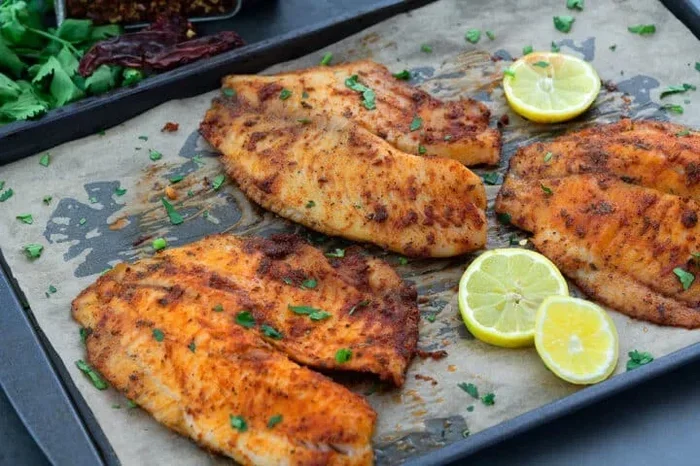
How To Season Tilapia For Oven With Easy Flavor Tips
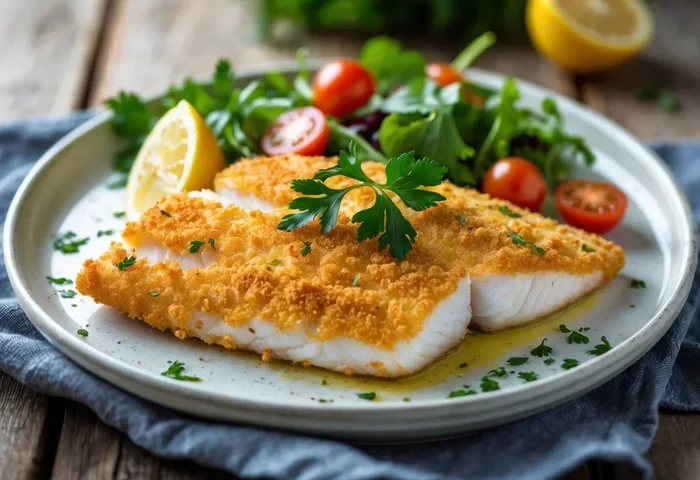
Learning how to season tilapia for oven is simpler than most people think. With the right blend of spices, herbs, and a few pro tips, you can create restaurant-quality baked fish at home. This guide covers everything from essential ingredients to the best seasoning combinations for crispy, flavorful tilapia every time.
Few things are as satisfying as pulling a tray of oven-baked tilapia out of the oven and smelling the aroma fill your kitchen. This mild, flaky white fish has become a staple in kitchens around the world, and for good reason. It cooks fast, it pairs well with almost anything, and it absorbs flavors beautifully. But here is the secret that separates good baked tilapia from great baked tilapia: the seasoning.
Whether you are a complete beginner in the kitchen or someone who cooks regularly, how to season tilapia for oven can make or break your meal. A bland seasoning blend turns even the freshest fish into something forgettable. But a well-crafted mix of herbs, spices, and aromatics transforms simple tilapia into a dish that deserves a spot on your weekly meal plan. In this guide, we will walk you through every step of the process, from choosing the right ingredients to the best oven temperature for fish that comes out perfectly golden every single time.
The beauty of oven-baked tilapia is that it does not require fancy equipment or advanced cooking skills. You need a few pantry staples, a hot oven, and a little patience. By the end of this article, you will know exactly how to prep, season, and bake tilapia fillets that are crispy on the outside and tender on the inside. You will also discover several seasoning combinations that will keep your taste buds excited no matter how many times you cook this healthy fish dinner.
Key Takeaways
- Dry vs. wet seasoning matters: Choosing between a dry rub and a marinade changes the texture and flavor of your oven-baked tilapia significantly.
- Fresh herbs elevate simple dishes: Ingredients like dill, parsley, and cilantro add brightness that powdered spices alone cannot achieve.
- Patting the fish dry is essential: Removing surface moisture helps the seasoning stick and creates a crispier exterior.
- Oven temperature affects everything: Baking at 400°F to 425°F delivers the best balance of crispy skin and tender, flaky flesh.
- Resting the fish after baking keeps it juicy: Letting tilapia sit for a few minutes after cooking redistributes the juices and improves texture.
- Seasoning ahead of time deepens flavor: Marinating tilapia for 15 to 30 minutes allows spices to penetrate the flesh for a more flavorful result.
- Simple combinations often work best: A basic mix of olive oil, garlic, lemon, and salt can outperform complicated seasoning blends.
📑 Table of Contents
- Why Oven-Baked Tilapia Is a Weeknight Favorite
- Essential Ingredients For Perfect Tilapia Seasoning
- Step-by-Step Guide To Seasoning Tilapia For The Oven
- Best Seasoning Combinations For Oven-Baked Tilapia
- Common Mistakes To Avoid When Seasoning Tilapia
- Pro Tips For Crispy, Flavorful Tilapia Every Time
- Conclusion
Why Oven-Baked Tilapia Is a Weeknight Favorite
Oven-baked tilapia has earned its place as one of the most popular fish recipes for home cooks. There are several reasons why this simple preparation method wins hearts. First, tilapia is incredibly affordable compared to most other fish. You can buy fresh or frozen fillets without breaking the bank. Second, it cooks fast. Most tilapia fillets are done in just 12 to 15 minutes at high heat. Third, tilapia has a very mild flavor that acts as a blank canvas for any seasoning you choose.
If you are looking for a healthy fish dinner that the whole family will eat, baked tilapia checks every box. It is low in calories, high in protein, and packed with nutrients like selenium and vitamin B12. Unlike fried fish, oven-baked tilapia does not leave a greasy mess on your stovetop. Cleanup is easy, and the cooking process is almost foolproof.
Many people also love that baked tilapia recipe variations are nearly endless. You can go spicy, herby, citrusy, or savory depending on your mood. The seasoning blend you choose is really what defines the final dish. That is exactly why we are dedicating this entire guide to helping you get the seasoning right every time.
Nutritional Benefits of Baking Tilapia
Baking is one of the healthiest ways to cook fish. It does not require added oils or fats like deep frying. A typical serving of baked tilapia contains around 110 calories and provides about 23 grams of protein. It is also a great source of omega-3 fatty acids, which support heart health and brain function. When you learn how to season tilapia for oven properly, you can create a meal that is both delicious and nutritious without any guilt.
Essential Ingredients For Perfect Tilapia Seasoning
Before you start seasoning fish, you need to know what goes into a great blend. The best tilapia seasoning combinations rely on a balance of salt, fat, acid, and aromatics. Each component plays a specific role in building flavor and texture.
Salt and Pepper: The Foundation
Salt is the single most important ingredient in any herb seasoning blend. It enhances the natural flavor of the fish and helps the other seasonings stick to the surface. Always use fine sea salt or kosher salt for even distribution. Freshly ground black pepper adds a gentle heat that complements the mild taste of tilapia. A good starting point is about half a teaspoon of salt and a quarter teaspoon of pepper per fillet.
Olive Oil and Fat-Based Carriers
Olive oil serves two purposes in tilapia prep tips. It carries fat-soluble flavor compounds from spices into the fish, and it helps the seasoning form a thin, even coating. You can also use melted butter for a richer flavor, especially in a classic garlic butter tilapia recipe. About one tablespoon of olive oil per two fillets is usually enough.
Fresh Herbs and Aromatics
Fresh herbs make a noticeable difference in the final taste of your flavorful tilapia. Dill, parsley, cilantro, and thyme all work wonderfully with baked tilapia. Garlic, whether minced fresh or powdered, adds depth and savoriness. Lemon zest and juice provide the brightness that cuts through the richness of the oil and makes the whole dish feel lighter.
Spices and Powdered Seasonings
For those who prefer a bolder kick, tilapia spices like smoked paprika, cumin, chili powder, and onion powder open up a world of possibilities. These dry seasonings create a crust on the outside of the fish when baked at high heat. They are also incredibly convenient because they store well and can be mixed in bulk ahead of time.
Step-by-Step Guide To Seasoning Tilapia For The Oven
Now that you have your ingredients ready, let us walk through the actual process of how to season tilapia for oven. This step-by-step approach works for any seasoning style, whether you prefer a simple lemon herb blend or a bold spice rub.
Step One: Prep the Fish
Start by removing your tilapia fillets from the refrigerator about 10 to 15 minutes before cooking. This brings the fish closer to room temperature, which helps it cook more evenly. Pat each fillet thoroughly dry with paper towels. This is one of the most important tilapia prep tips because moisture on the surface prevents the seasoning from adhering properly and creates steam instead of crispiness.
Step Two: Prepare Your Seasoning Mix
In a small bowl, combine your chosen seasoning blend. For a classic approach, mix together olive oil, minced garlic, lemon zest, chopped fresh dill, salt, and pepper. For a more adventurous option, combine smoked paprika, cumin, garlic powder, onion powder, a pinch of cayenne, and a touch of brown sugar. Mix everything together until well combined.
Step Three: Apply the Seasoning
Place the fillets on a parchment-lined baking sheet. Drizzle or spoon the seasoning mixture over the top of each fillet. Use your hands or a spoon to gently rub the seasoning into the flesh on both sides. Make sure every part of the fish has some seasoning on it, especially the thicker center portion.
Step Four: Let It Rest
Once seasoned, let the fillets sit for about 10 to 15 minutes at room temperature. This short resting period allows the flavors to start penetrating the fish. If you have more time, you can cover the seasoned tilapia and refrigerate it for up to 30 minutes. This is especially effective for a tilapia marinade that uses acidic ingredients like lemon juice or vinegar.
Step Five: Bake and Enjoy
Preheat your oven to 400°F to 425°F. Place the baking sheet on the middle rack and bake for 12 to 15 minutes. The fish is done when it flakes easily with a fork and the internal temperature reaches 145°F. Remove it from the oven and let it rest for a couple of minutes before serving.
Best Seasoning Combinations For Oven-Baked Tilapia
One of the best things about cooking tilapia in the oven is how versatile it is. You can change the flavor profile entirely just by swapping out your seasoning blend. Here are some of the most popular and delicious combinations to try.
Lemon Garlic Herb
This is the go-to combination for a reason. It is simple, fresh, and universally appealing. Mix olive oil with minced garlic, lemon juice, lemon zest, chopped parsley, salt, and pepper. This seasoning fish blend creates a bright, clean flavor that lets the natural taste of the tilapia shine through. It pairs beautifully with roasted vegetables or a light rice pilaf.
Cajun Spice Rub
If you like a little heat, a Cajun-style seasoning blend is the way to go. Combine paprika, garlic powder, onion powder, cayenne pepper, dried oregano, dried thyme, salt, and black pepper. Rub it into the fillets with a bit of olive oil. This creates a smoky, spicy crust that is absolutely perfect for crispy oven fish. Serve it with a side of coleslaw or cornbread for a Southern-inspired meal.
Mediterranean Blend
Think sun-dried tomatoes, olives, and herbs from the Mediterranean coast. Mix dried oregano, basil, thyme, a pinch of red pepper flakes, minced garlic, and olive oil. Add a squeeze of lemon juice for extra freshness. This herb seasoning combination works wonderfully with a Greek-inspired salad on the side.
Asian-Inspired Glaze
For something different, try a soy sauce and ginger-based glaze. Mix low-sodium soy sauce, sesame oil, fresh grated ginger, a drizzle of honey, and a splash of rice vinegar. Brush this over the tilapia before baking. The result is a savory, slightly sweet flavorful tilapia dish that feels completely different from traditional Western preparations.
Common Mistakes To Avoid When Seasoning Tilapia
Even experienced home cooks make mistakes when preparing oven-baked tilapia. Knowing what to avoid will save you from ending up with dry, bland, or overcooked fish.
Over-Seasoning the Fish
Tilapia has a delicate flavor that can be overwhelmed by too much seasoning. Start with less than you think you need. You can always add more, but you cannot take it away. A light, balanced coating is always better than a heavy, salty crust.
Skipping the Dry Step
One of the biggest mistakes people make is not drying the fillets before seasoning. Wet fish steams instead of roasting, which leads to a soggy exterior and uneven cooking. Always pat your tilapia fillets completely dry with paper towels before applying any seasoning or oil.
Using the Wrong Oven Temperature
Baking tilapia at too low a temperature causes it to dry out before the outside develops any texture. Too high a temperature can burn the seasoning while leaving the center raw. The sweet spot for most oven-baked fish is between 400°F and 425°F. This range cooks the fish through while creating a lightly crispy exterior.
Overcooking the Fish
Tilapia is a thin fish that cooks very quickly. Leaving it in the oven for too long turns it dry and chalky. Use a meat thermometer to check for doneness. The internal temperature should reach 145°F. As soon as the fish flakes apart easily, it is ready to come out.
Pro Tips For Crispy, Flavorful Tilapia Every Time
Once you have the basics down, these pro tips will take your baked tilapia recipe to the next level. These small adjustments make a big difference in both flavor and texture.
Use a Wire Rack for Even Crispiness
Instead of placing your fillets directly on a baking sheet, set them on a wire rack over the sheet. This allows hot air to circulate underneath the fish, creating an evenly crispy bottom without the need to flip. It is one of the best tilapia prep tips for achieving restaurant-quality results at home.
Add a finishing touch after baking
Right when the fish comes out of the oven, squeeze a little fresh lemon juice over the top or sprinkle some flaky sea salt. This finishing step adds a burst of freshness that wakes up all the other flavors. It is a simple trick that professional chefs use all the time.
Experiment with compound butter
Compound butter is softened butter mixed with herbs, garlic, and seasonings. Place a small pat of garlic herb compound butter on top of each tilapia fillet before baking. As the butter melts, it basts the fish from above and adds incredible richness. This is especially delicious for a garlic butter tilapia dish.
Store and reheat properly
If you have leftovers, store them in an airtight container in the refrigerator for up to two days. Reheat gently in the oven at 300°F for about 8 minutes. Avoid microwaving, as it tends to make the fish rubbery and soggy. Proper storage keeps your oven-baked tilapia tasting almost as good as the day you made it.
Pair with the right sides
The best sides for baked tilapia are light and fresh. Roasted asparagus, steamed broccoli, quinoa, or a simple mixed green salad all complement the fish without overwhelming it. A squeeze of lemon and a drizzle of olive oil on your side dish ties everything together perfectly.
Conclusion
How to season tilapia for oven is a skill that anyone can learn with a little practice and the right guidance. The key is to start with fresh, quality tilapia fillets, pat them dry, apply a well-balanced seasoning blend, and bake at the right temperature. Whether you prefer a simple lemon garlic herb approach or a bold Cajun spice rub, the principles remain the same. Keep your seasoning balanced, do not skip the drying step, and watch the cooking time carefully.
Once you master these basics, you will find that oven-baked tilapia becomes a go-to meal in your household. It is healthy, fast, affordable, and endlessly customizable. Try out the different seasoning combinations we covered, and soon you will have your own signature baked tilapia recipe that family and friends will love. The best part is that every time you open the oven and smell that perfectly seasoned fish, you will know you did it right.
So go ahead, gather your ingredients, preheat that oven, and make flavorful tilapia tonight. Your taste buds will thank you.
Frequently Asked Questions
What is the best seasoning for oven-baked tilapia?
The best seasoning depends on your personal taste, but a classic combination of olive oil, garlic, lemon juice, salt, and pepper works beautifully for almost everyone. If you like bolder flavors, a Cajun spice rub or a Mediterranean herb blend also delivers outstanding results. The key is to use fresh ingredients and not overload the fish with too much seasoning.
How long should I marinate tilapia before baking it in the oven?
For best flavor, marinate your tilapia fillets for 15 to 30 minutes at room temperature. If you are using a marinade with acidic ingredients like lemon juice or vinegar, keep the marinating time to 30 minutes maximum. Longer marinating can break down the delicate fish flesh and change the texture. If you refrigerate the fish, let it come to room temperature for about 10 minutes before baking.
What oven temperature is best for baking tilapia?
The ideal oven temperature for fish like tilapia is between 400°F and 425°F. This range cooks the fillets through quickly while creating a lightly crispy exterior. Baking at lower temperatures can cause the fish to dry out before it develops a nice texture. Always check that the internal temperature reaches 145°F before removing the fish from the oven.
Can I use frozen tilapia fillets for this recipe?
Yes, you can use frozen tilapia, but it is important to thaw it properly first. Place the fillets in the refrigerator overnight or submerge them in cold water for about 30 minutes. Once thawed, pat the fish completely dry before seasoning and baking. Using properly thawed tilapia fillets ensures even cooking and better seasoning adhesion.
How do I know when tilapia is done baking in the oven?
Tilapia is done when it reaches an internal temperature of 145°F and flakes easily when pressed with a fork. The flesh should look opaque and white throughout, with no translucent or shiny areas. Most fillets take between 12 and 15 minutes at 400°F to 425°F, but thickness can vary, so always use a meat thermometer for accuracy.
What are some easy sides to serve with baked tilapia?
Light, fresh sides pair best with oven-baked tilapia. Roasted vegetables like asparagus or zucchini, a simple green salad, steamed rice, or quinoa all work wonderfully. For a more filling meal, try roasted potatoes or a side of crusty bread. A squeeze of lemon and a drizzle of olive oil on any side dish complements the fish perfectly.