What Rack To Put Turkey On In Oven For Perfect Roasting
Placing your turkey on the right rack is the simplest way to ensure even cooking, crispy skin, and juicy meat. The middle rack is almost always the best choice for a standard oven, while convection fans may call for a slight adjustment. This guide covers exactly what rack to put turkey on in oven, with practical tips, common mistakes, and pro insights for a flawless roast every time.
Wondering where to place your turkey in the oven? What Rack To Put Turkey On In Oven can make or break your roast. The right rack position ensures hot air flows around the bird evenly, giving you crispy skin and tender, juicy meat. This guide will walk you through the best placement for every situation, from a small bird to a large holiday turkey. You’ll also learn how convection ovens change the rules and how to avoid the mistakes that ruin roasts.
Roasting a turkey is simpler than most people think. The secret often comes down to one detail: the oven rack. Whether you’re using a conventional oven or a fan oven, placement matters. I’ve roasted dozens of turkeys and tested countless setups. Here’s what I’ve learned about turkey rack placement and how you can get perfect results every time.
Key Takeaways
- Middle rack is king: It provides the most balanced heat for even roasting.
- Convection changes the game: Fan-forced ovens may need a lower rack to prevent over-browning.
- Size matters: Large turkeys benefit from a lower rack to fit and cook evenly.
- Avoid the top and bottom: Upper racks burn skin; lower racks leave the bottom undercooked.
- Resting is non-negotiable: Let the turkey rest 20-30 minutes after removing from the oven.
- Use oven-safe cookware: Always check that your roasting pan is safe for high temperatures.
📑 Table of Contents
What Rack To Put Turkey On In Oven: The Ultimate Guide
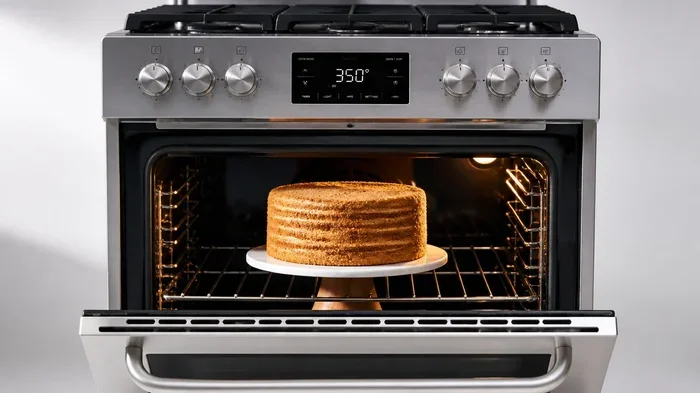
The question what rack to put turkey on in oven comes up every holiday season. The answer isn’t always the same, but the middle rack is the safest starting point. It sits in the center of the oven cavity, surrounded by even heat on all sides. This position promotes uniform cooking and minimizes hot spots. Most recipes assume you’ll use the middle rack unless stated otherwise.
Before you place the turkey, make sure your oven is fully preheated. A steady temperature is key to even roasting. If you’re unsure about your oven’s actual temperature, an oven thermometer is a cheap and handy tool. Knowing whether your oven runs hot or cold helps you adjust the rack and timing. For a deeper dive into temperature conversions, check out our guide on what 350 F means in a Celsius fan oven.
Why the Middle Rack Wins
The middle rack offers the best balance of top and bottom heat. Hot air rises, so the top of the oven is naturally warmer. Placing the turkey in the center lets the rising heat wrap around the bird without scorching the top or undercooking the bottom. This position also keeps the turkey away from the heating elements at the top and bottom of the oven.
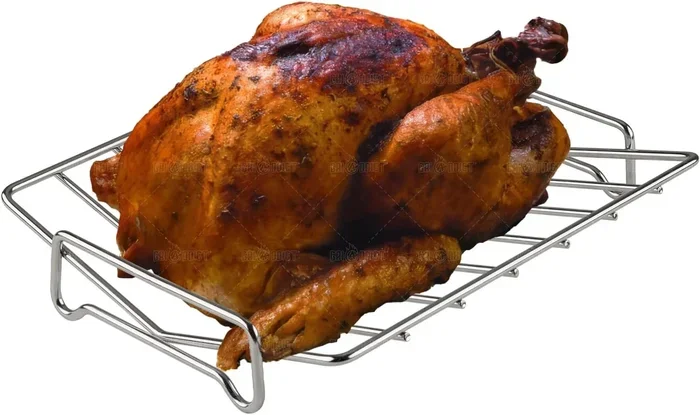
Most roasting pans fit comfortably on the middle rack. The turkey has enough space on all sides for air to circulate. This airflow is essential for crispy skin and even browning. If you crowd the oven with other dishes, you may need to adjust, but for a standalone turkey, the middle rack is ideal.
Upper Rack vs. Lower Rack: When to Adjust
While the middle rack is the default, there are times when moving the turkey up or down makes sense. Understanding when to use the upper or lower rack gives you more control over the final result. The table below summarizes the best uses for each position.
| Rack Position | Best For | Result |
|---|---|---|
| Middle Rack | Standard roasting, even cooking | Balanced browning, juicy meat |
| Upper Rack | Extra crispy skin, finishing broil | Dark, caramelized top; risk of burning |
| Lower Rack | Large turkeys, bottom heat focus | Prevents top from burning; may need basting |
Using the Upper Rack for Crispy Skin
Sometimes you want the skin extra crispy and deeply browned. Moving the turkey to the upper rack for the last 20-30 minutes of cooking can achieve this. The closer proximity to the top heating element intensifies the heat on the surface. Watch the turkey carefully during this phase to prevent burning. A quick glance every 10 minutes works wonders.
If you’re also preparing stuffing in the oven at 400°F, you’ll want to plan the rack usage. The upper rack is great for crisping the turkey skin, but you might need to shift the bird back to the middle to finish cooking the stuffing on a lower rack. Timing both dishes takes a little coordination.
Lower Rack for Even Heat Distribution
Placing the turkey on the lower rack is useful when the top of the bird is browning too fast. This often happens in ovens with strong top heating elements. The lower position moves the turkey away from that direct heat, allowing the bottom and sides to cook more evenly. You may need to baste the top more frequently to keep it moist.
The lower rack also works well for very large turkeys that need extra vertical space. A large turkey can be taller than a standard roasting pan allows on the middle rack. Dropping it to the lower rack gives you room to fit the bird without touching the ceiling of the oven. Always check that your pan fits with enough clearance.
Convection vs. Conventional: Rack Placement Differences
Convection ovens use a fan to circulate hot air, which changes how heat reaches the food. In a fan oven, the rack position still matters, but the rules shift slightly. The moving air cooks food faster and more evenly, so you often don’t need to rotate the pan. However, the fan can make the top of the turkey brown more quickly.
How Fan Ovens Change the Game
Because convection ovens cook more efficiently, many bakers recommend lowering the temperature by 25°F compared to conventional settings. The rack position often stays the same—middle—but you might move it one notch lower if the top is browning too fast. The fan pushes hot air around, so the difference between upper and lower racks is less dramatic than in a conventional oven.
If you’re using a fan oven, always check your turkey’s internal temperature with a meat thermometer. The exterior may look done sooner, but the thickest part of the thigh needs to reach 165°F (74°C). Overcooking is a common pitfall with convection ovens because the efficient airflow can dry out the meat if you’re not careful. For more on oven safety and cookware, see our article on Pyrex oven-safe dishes to ensure your roasting pan can handle the heat.
Turkey Size Matters: Adjusting Rack Height
The size of your turkey directly affects where you should place the rack. A small bird fits easily on the middle rack with plenty of airspace. A large turkey, especially one over 20 pounds, may require a lower rack to fit inside the oven without touching the top elements. Fitting the bird properly is the first step to even cooking.
Large Turkeys and Low Racks
For turkeys over 15 pounds, consider starting on the lowest oven rack. This gives the bird maximum clearance from the top heating element. The lower position also allows the oven’s bottom heat to warm the pan and crisp the underside. You’ll likely need to baste the top more often since it sits farther from the heat source.
A large turkey takes longer to roast, so patience is key. Use a meat thermometer to monitor the internal temperature without opening the oven door too often. Every time you open the door, you lose heat and extend the cooking time. Trust the thermometer and let the oven do its work.
Small Birds and Higher Racks
Turkeys under 12 pounds can sit comfortably on the middle rack. They cook faster, so you won’t need to adjust the rack height unless you’re finishing with a high-heat blast for crisping. A small bird on the middle rack gets plenty of airflow, which helps the skin turn golden and crispy. If you’re cooking a small turkey alongside vegetables, the middle rack still works well.
Common Mistakes That Ruin Your Turkey
Even with the perfect rack position, simple mistakes can lead to a dry or unevenly cooked turkey. Knowing what to avoid saves you from a holiday disaster. Here are the most common errors home cooks make.
Placing the Turkey Too Close to the Heating Element
One of the biggest mistakes is putting the turkey on the top or bottom rack, right next to a heating element. The top element can scorch the skin, while the bottom element can burn the bottom of the pan. Both scenarios lead to dry, bitter meat. Always keep the turkey in the center of the oven cavity, at least a few inches from any element.
If your oven has visible heating elements on the top and bottom, visualizing the heat zones helps. The middle of the oven is the cool zone, which is exactly where you want your turkey. This simple adjustment prevents most roasting problems before they start.
Forgetting to Preheat the Oven
Putting a cold turkey into a cold oven leads to uneven cooking. The bird sits in the danger zone too long, increasing the risk of foodborne illness. Always preheat the oven to the target temperature before placing the turkey inside. A fully preheated oven ensures the heat hits the bird immediately, starting the cooking process right away.
Overcrowding the Oven
Trying to fit a huge turkey and multiple side dishes on the same rack blocks airflow. The turkey steams instead of roasting, resulting in soggy skin. If you must cook multiple items, use separate racks and plan the timing so dishes come out at the right moment. The turkey should always have at least two inches of space on all sides.
Pro Tips for a Perfect Roast
Beyond rack placement, a few extra steps elevate your turkey from good to great. These tips build on the rack position advice and help you achieve restaurant-quality results at home.
Resting the Turkey Properly
Once the turkey comes out of the oven, resist the urge to carve immediately. Let it rest for at least 20-30 minutes before slicing. Resting allows the juices to redistribute throughout the meat. If you cut too soon, the juices run out onto the cutting board instead of staying in the turkey, leaving you with dry slices.
Tent the turkey loosely with aluminum foil during resting. The foil holds in heat without trapping too much steam, which would soften the crispy skin. This resting period is just as important as the cooking time.
Basting and Temperature Checks
Basting the turkey every 45 minutes or so keeps the surface moist and promotes even browning. Use the juices that collect in the bottom of the pan, and spoon them over the top and sides. For the most accurate doneness, insert a meat thermometer into the thickest part of the thigh, avoiding the bone. The temperature should read 165°F (74°C).
If you’re unsure about your oven’s actual temperature, invest in an oven thermometer. Many ovens run hotter or cooler than their dial suggests. An accurate temperature reading helps you trust the rack position and timing you’ve planned. Consistent heat is the foundation of a perfect roast.
Key Takeaways
What Rack To Put Turkey On In Oven comes down to a few simple principles. The middle rack is your go-to spot for even, balanced cooking. Move to the upper rack for a final crispy finish, or drop to the lower rack for large birds that need extra space. Convection ovens may call for a slight adjustment, but the middle rack usually still works. Avoid the common mistakes of overcrowding, skipping preheating, and placing the turkey too close to the elements. With the right rack position, a meat thermometer, and a little patience, you’ll roast a turkey that’s golden, juicy, and full of flavor.
Remember to let the turkey rest before carving, and always use oven-safe cookware. Whether you’re cooking for a small family dinner or a holiday feast, these tips give you the confidence to roast like a pro. The middle rack is your best friend, and with the guidance above, you’ll never second-guess your oven setup again.
Frequently Asked Questions
What is the best rack position for roasting a turkey?
The middle rack is almost always the best choice. It provides even heat circulation around the bird, preventing the top from burning and the bottom from undercooking. This position works for most conventional and convection ovens.
Should I put the turkey on the top or bottom rack?
Avoid the top and bottom racks for the main roast. The top rack can scorch the skin, and the bottom rack can leave the underside undercooked. Use the upper rack only for a short finishing burst if you want extra crispy skin.
Does convection oven rack placement differ from conventional?
Convection ovens circulate hot air with a fan, so the middle rack still works well. You may need to lower the rack slightly if the top is browning too fast. Reduce the oven temperature by about 25°F compared to conventional settings.
How do I know if my roasting pan is safe for the oven?
Check the manufacturer’s label for oven-safe ratings. Glass pans like Pyrex must be specifically marked as oven-safe. Using a pan that isn’t designed for high heat can crack or shatter. Always verify before placing it in a hot oven.
What temperature should I roast my turkey at?
Most turkeys roast beautifully at 325°F to 350°F. The exact temperature depends on your oven and the size of the bird. Use a meat thermometer to ensure the thickest part of the thigh reaches 165°F for safe eating.
How long should I rest the turkey before carving?
Let the turkey rest for 20 to 30 minutes after removing it from the oven. This resting period allows the juices to settle back into the meat, resulting in moister slices. Tent it loosely with foil to keep it warm without steaming the skin.