How To Cook Shoulder Bacon In The Oven The Easy Way
Shoulder bacon is a delicious cut of pork that bakes beautifully in the oven. This guide shows you the simple steps to make oven-baked shoulder bacon that is crispy on the outside and juicy on the inside. You will learn the right oven temperature, timing, and tips to get perfect results every single time.
Shoulder bacon is one of the most underrated cuts of pork you can buy. It comes from the pork shoulder area and has a rich, meaty flavor that regular bacon simply cannot match. When you cook shoulder bacon in the oven, you get perfectly even cooking with minimal effort. The oven does all the work for you, so you can focus on other parts of your meal.
Many people are surprised to learn that shoulder bacon is different from standard pork belly bacon. It has a slightly different texture and a deeper, more complex taste. This cut is often cured and smoked, which adds another layer of flavor. Whether you are making it for a weekend breakfast or a holiday dinner, oven-baked shoulder bacon is a crowd-pleaser.
The beauty of using an oven is consistency. Every slice cooks at the same rate. You do not need to flip pieces or watch the pan like you would on the stove. Once you set the oven temperature and the timer, you are free to do other things. This makes baking shoulder bacon the easiest and most reliable method.
In this article, we will walk you through everything you need to know. From choosing the right cut to serving suggestions, we have you covered. By the end, you will feel confident enough to make shoulder bacon in the oven every single week.
Key Takeaways
- Shoulder bacon is a rich, meaty cut that offers deeper flavor than regular pork belly bacon.
- Cooking shoulder bacon in the oven gives you even results with almost no effort or monitoring.
- The ideal oven temperature is between 375°F and 400°F for perfectly crispy slices.
- Using a wire rack and parchment paper helps the bacon render fat evenly and prevents sticking.
- Cooking time ranges from 20 to 40 minutes depending on thickness and desired crispness.
- Proper storage keeps cooked shoulder bacon fresh for up to five days in the fridge.
- Shoulder bacon works great in many recipes from breakfast plates to salads and sandwiches.
📑 Table of Contents
- What Is Shoulder Bacon And Why Is It Special?
- Why Cooking Shoulder Bacon In The Oven Is The Best Method
- Ingredients And Tools You Will Need
- Step-By-Step Guide To Cooking Shoulder Bacon In The Oven
- Tips And Tricks For Perfectly Crispy Shoulder Bacon
- Common Mistakes To Avoid When Cooking Shoulder Bacon
- Storing And Using Your Cooked Shoulder Bacon
- Conclusion
What Is Shoulder Bacon And Why Is It Special?
Understanding Shoulder Bacon Cuts
Shoulder bacon comes from the pork shoulder, also known as the picnic shoulder. This is a tougher, more flavorful part of the pig compared to the pork belly used for regular bacon. The curing process transforms this cut into something truly special. The meat absorbs the salt, sugar, and smoke beautifully.
Unlike thin-sliced supermarket bacon, shoulder bacon often comes in thicker slices. This gives it a chewier texture and a more intense pork flavor. Many people who love smoked shoulder bacon say it has a depth of taste that regular bacon simply cannot deliver.
The curing process can vary. Some shoulder bacon is wet-cured, meaning it is soaked in a brine solution. Others are dry-cured, where the cure is rubbed directly onto the meat. Both methods work well for oven cooking. The choice comes down to personal preference and what you can find at your local butcher or grocery store.
Shoulder Bacon vs Regular Bacon
It is helpful to understand how shoulder bacon differs from the bacon most people are familiar with. Regular bacon typically comes from the pork belly. It is fattier and has a more uniform texture. Shoulder bacon has more lean meat mixed with fat, which gives it a meatier bite.
Here is a simple comparison to help you understand the differences:
| Feature | Shoulder Bacon | Regular Bacon (Pork Belly) |
|---|---|---|
| Cut of Meat | Pork shoulder | Pork belly |
| Fat Content | Moderate, well-distributed | Higher, more uniform fat |
| Texture After Cooking | Chewy and meaty | Flaky and crispy |
| Flavor Profile | Deep, smoky, complex | Rich, fatty, savory |
| Best Cooking Method | Oven baking | Pan frying or oven |
| Slice Thickness | Often thicker | Usually thinner |
Both types of bacon are delicious. But if you want a heartier, more robust flavor, shoulder bacon is the way to go. It is especially great for people who find regular bacon too fatty or greasy.
Why Cooking Shoulder Bacon In The Oven Is The Best Method
Benefits of Oven-Baked Bacon
There are many ways to cook shoulder bacon, but the oven stands out as the best option for several reasons. First, it is hands-off. You lay the slices on a tray, pop it in the oven, and wait. There is no need to stand over a hot pan flipping slices every few minutes.
Second, oven cooking gives you even results. Every piece gets the same amount of heat. This means no more burnt edges with raw middles. Your oven-baked shoulder bacon will come out perfectly cooked from edge to edge.
Third, baking in the oven renders out excess fat. The bacon grease drips away from the meat as it cooks. This leaves you with crispy shoulder bacon that is not overly greasy. Less grease also means easier cleanup for you.
Fourth, the oven allows you to cook large batches at once. If you are feeding a family or hosting a brunch, you can fit many slices on a single sheet pan. This is much more efficient than frying small batches on the stovetop.
Oven Method vs Stovetop vs Air Fryer
Let us compare the three most popular methods for cooking shoulder bacon. Each has its pros and cons, but the oven method wins for most home cooks.
| Method | Ease of Use | Batch Size | Even Cooking | Cleanup | Best For |
|---|---|---|---|---|---|
| Oven | Very Easy | Large | Excellent | Easy | Families and meal prep |
| Stovetop | Moderate | Small | Good | Moderate | Quick single servings |
| Air Fryer | Easy | Small to Medium | Very Good | Easy | Small batches, fast cooking |
As you can see, the oven method is the clear winner for ease, batch size, and even cooking. If you want to make shoulder bacon for a crowd, the oven is your best friend. The stovetop method works fine for one or two servings, but it requires more attention. An air fryer is great for small batches but takes longer when you need to cook multiple rounds.
Ingredients And Tools You Will Need
Choosing Your Shoulder Bacon
Start by selecting good quality shoulder bacon. Look for cuts that have a nice pink color with streaks of white fat. The fat is what renders during cooking and gives you that crispy texture. Avoid shoulder bacon that looks gray or dry, as this may indicate it has been sitting too long.
You can buy shoulder bacon from a butcher, a specialty meat shop, or even some well-stocked grocery stores. If you can find smoked shoulder bacon, that adds an extra layer of flavor that is hard to beat. Some people prefer uncured or nitrate-free options. These work fine too, but the flavor will be slightly different.
Essential Tools for Oven Bacon
You do not need many tools to make shoulder bacon in the oven. Here is what you will need:
- A large baking sheet — rimmed is best to catch the grease.
- Parchment paper or silicone baking mat — this prevents sticking and makes cleanup a breeze.
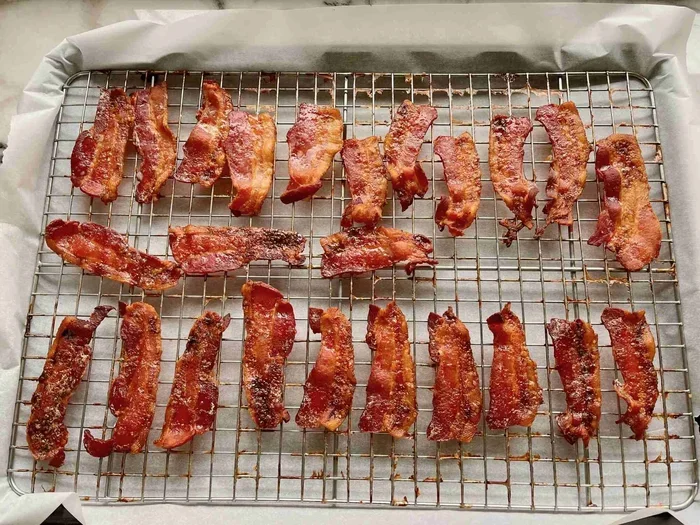
- A wire cooling rack — placing the bacon on a rack over the sheet pan allows air to circulate and fat to drip away.
- Tongs — for flipping and removing hot bacon slices safely.
- A paper towel-lined plate — for draining the bacon after cooking.
- An oven thermometer — this ensures your oven is at the right oven temperature for accurate results.
You do not need any special ingredients beyond the shoulder bacon itself. Some people like to add a sprinkle of black pepper or a drizzle of maple syrup before baking. But honestly, plain oven-baked shoulder bacon is already delicious on its own.
Step-By-Step Guide To Cooking Shoulder Bacon In The Oven
Step 1: Preheat Your Oven
The first step is to preheat your oven to 375°F (190°C). This is the sweet spot for cooking shoulder bacon evenly. Some recipes call for 400°F, but 375°F gives you more control and reduces the risk of burning the edges before the center is cooked through.
While the oven is heating up, line your baking sheet with parchment paper. If you are using a wire rack, place it on top of the sheet pan. This setup is key to getting crispy shoulder bacon with less grease.
Step 2: Arrange the Bacon Slices
Lay out the shoulder bacon slices on the parchment paper or wire rack. Make sure the slices do not overlap. Overlapping causes uneven cooking and traps steam, which makes the bacon soggy instead of crispy.
Leave a small gap between each slice. This allows hot air to flow around every piece. If your baking sheet is small, you may need to cook the bacon in two batches. It is better to cook in two rounds than to crowd the pan.
Step 3: Place in the Oven
Put the baking sheet on the middle rack of your oven. The middle position ensures even heat distribution around the bacon. Set your timer for about 20 minutes. Shoulder bacon is thicker than regular bacon, so it needs a bit more time.
Do not open the oven door too often during the first 15 minutes. Every time you open the door, heat escapes and your cooking time increases. Trust the process and let the oven do its work.
Step 4: Check and Flip at the 20-Minute Mark
After 20 minutes, carefully open the oven and check the bacon. Use tongs to flip each slice. The bacon should be starting to turn golden brown and the edges should look slightly crispy.
If you prefer extra crispy shoulder bacon, continue baking for another 5 to 10 minutes. Keep a close eye on it during this time. Thicker slices may need the full 30 minutes, while thinner slices could be done in 25 minutes.
Step 5: Remove and Drain
Once the shoulder bacon reaches your desired level of crispness, remove the baking sheet from the oven. Use tongs to transfer the slices to a paper towel-lined plate. This absorbs any excess grease and keeps the bacon from getting soggy.
Let the bacon cool for a few minutes before serving. The slices will crisp up even more as they cool. This is the perfect time to bacon grease — save the rendered fat from the baking sheet for cooking eggs, potatoes, or vegetables later.
Quick Tips for Perfect Timing
- Thick-cut shoulder bacon may need 30-35 minutes at 375°F.
- Thinner slices could be done in 18-22 minutes.
- For chewy bacon, pull it out at 20 minutes.
- For crispy bacon, go up to 30-35 minutes.
- Always check at the 20-minute mark to prevent overcooking.
Tips And Tricks For Perfectly Crispy Shoulder Bacon
Start with Cold Bacon
One of the best oven bacon recipe secrets is to start with cold shoulder bacon. Do not let it sit at room temperature for an hour before cooking. Cold bacon renders fat more slowly, which means you get crispy edges and a slightly chewy center. This contrast in texture is what makes oven-baked shoulder bacon so satisfying.
Do Not Skip the Wire Rack
Using a wire rack is a game changer. It lifts the bacon off the baking sheet and allows hot air to circulate underneath. This means the bottom of each slice gets just as crispy as the top. Without a rack, the bacon sits in its own grease and can become soggy on one side.
Save and Reuse Your Bacon Grease
Bacon grease from cooking shoulder bacon is liquid gold in the kitchen. Let it cool slightly, then strain it through a fine mesh sieve into a glass jar. You can use this bacon render to cook breakfast potatoes, fry eggs, or even make cornbread. It adds a smoky, savory flavor that is hard to replicate with any other fat.
Add Flavor Boosters if You Like
While plain shoulder bacon is delicious on its own, you can add a touch of extra flavor if you want to get creative. A light sprinkle of brown sugar before baking creates a sweet, caramelized crust. A dash of cayenne pepper adds a subtle heat. Some people like to brush the slices with a little maple syrup halfway through cooking for a glaze effect.
Just remember that shoulder bacon is already well-seasoned from the curing process. Go easy on additional seasonings so you do not overpower the natural pork flavor. Less is often more when it comes to oven-baked shoulder bacon.
Expert Insight: The Low and Slow Approach
Some barbecue and cooking experts swear by a low and slow cooking method for shoulder bacon. Instead of 375°F, they set the oven to 300°F and cook for 40 to 45 minutes. This gentle approach renders more fat slowly and creates an incredibly tender result. It is worth trying if you prefer a softer, more melt-in-your-mouth texture rather than a crunchy bite.
Common Mistakes To Avoid When Cooking Shoulder Bacon
Overcrowding the Pan
The most common mistake people make is placing too many slices on one sheet pan. When slices overlap or touch, they steam instead of roast. This leads to uneven cooking and soggy shoulder bacon. Give each slice its own space on the pan. If you need to cook more, use a second sheet pan or cook in batches.
Setting the Oven Too Hot
It is tempting to crank up the heat to speed things along. But shoulder bacon is thicker than regular bacon, and high heat will burn the edges before the fat has a chance to render. Stick to 375°F for the best results. If you want to go higher, reduce the cooking time accordingly and watch the bacon closely.
Not Letting the Bacon Rest
After you pull the shoulder bacon out of the oven, give it a few minutes to rest on the paper towel plate. The bacon will continue to crisp up as it cools. If you cut into it immediately, you may find it is softer than expected. Patience here pays off with better texture.
Forgetting to Line the Pan
Skipping parchment paper or a silicone mat means you will have a greasy, stuck-on mess to clean. Parchment paper makes cleanup effortless and prevents the bacon from sticking to the pan. This is one of those small steps that makes a big difference in your overall experience.
Ignoring the Bacon Grease
Some people pour all the bacon grease down the drain, and that is a waste. That rendered fat is full of flavor and can be reused many times. Store it in the fridge in a sealed container. Just be careful not to mix it with other cooking fats, as the strong smoky flavor can transfer.
Storing And Using Your Cooked Shoulder Bacon
How to Store Cooked Shoulder Bacon
If you have leftover shoulder bacon, you can store it in an airtight container in the refrigerator. Properly stored, cooked shoulder bacon stays fresh for up to five days. Make sure the container is sealed well to prevent the bacon from absorbing odors from other foods in your fridge.
For longer storage, you can freeze cooked shoulder bacon. Place the slices between sheets of parchment paper in a freezer-safe bag. Frozen oven-baked shoulder bacon keeps well for up to three months. To reheat, simply warm the slices in the oven at 350°F for about 5 minutes. This brings back the crispness without overcooking.
Delicious Ways to Use Cooked Shoulder Bacon
Shoulder bacon is incredibly versatile. Here are some ideas for using your baked shoulder bacon beyond the breakfast plate:
- Breakfast plates — serve alongside eggs, toast, and fresh fruit for a classic morning meal.
- Burgers and sandwiches — layer thick slices of shoulder bacon on your favorite sandwich for a hearty lunch.
- Salads — chop crispy shoulder bacon into pieces and toss it over a garden salad for added crunch and protein.
- Pasta dishes — crumble shoulder bacon over carbonara or pasta with cream and cheese.
- Appetizers — wrap shoulder bacon around asparagus spears or dates for an easy party snack.
- Soup topping — crumble crispy bacon over potato soup or chili for a satisfying finish.
The rich, smoky flavor of shoulder bacon elevates almost any dish. It is a great addition to your weekly meal prep routine. Cook a big batch on Sunday and use it throughout the week in different meals.
Conclusion
Cooking shoulder bacon in the oven is one of the simplest and most rewarding things you can do in the kitchen. It requires minimal effort, delivers consistent results, and fills your home with an incredible aroma. Whether you are a beginner cook or a seasoned home chef, shoulder bacon is a cut that deserves a regular spot in your rotation.
Remember the key points. Use a wire rack and parchment paper for the best results. Keep your oven temperature at 375°F. Give the bacon enough time to render its fat and crisp up properly. And do not throw away that bacon grease — it is too valuable to waste.
Once you make shoulder bacon in the oven a few times, it will become second nature. You will wonder why you ever bothered with the stovetop method. The oven method is simply better for this cut of meat. It brings out the best in every slice.
So go ahead. Grab a package of shoulder bacon, preheat your oven, and give this method a try. You will not be disappointed. Your taste buds will thank you, and your kitchen will smell amazing. Happy cooking!
Frequently Asked Questions
Can I use any type of shoulder bacon for oven cooking?
Yes, most types of shoulder bacon work well in the oven. Whether it is wet-cured, dry-cured, smoked, or uncured, you can bake it using this method. The only difference will be in cooking time and flavor intensity. Smoked shoulder bacon tends to have a deeper flavor and may need slightly less additional seasoning.
What is the best oven temperature for shoulder bacon?
The best oven temperature for shoulder bacon is 375°F (190°C). This moderate heat allows the fat to render slowly and evenly without burning the edges. If you prefer a faster cook, you can go up to 400°F, but keep a close eye on the bacon to prevent overcooking.
How long does it take to cook shoulder bacon in the oven?
Cooking time for shoulder bacon in the oven typically ranges from 20 to 35 minutes. Thicker slices need closer to 35 minutes, while thinner slices may be done in 20 minutes. The best approach is to check the bacon at the 20-minute mark and adjust from there based on your desired level of crispness.
Do I need to flip the bacon while it bakes?
Yes, it is a good idea to flip the shoulder bacon slices halfway through cooking. Flipping at the 20-minute mark ensures both sides cook evenly and become equally crispy. If you are using a wire rack, flipping is especially important because both sides are exposed to heat.
Can I freeze cooked shoulder bacon?
Absolutely. Cooked shoulder bacon freezes very well. Let the slices cool completely, then place them between sheets of parchment paper in a freezer-safe bag or container. They will keep for up to three months in the freezer. Reheat in the oven at 350°F for about 5 minutes to restore the crispness.
What is the difference between shoulder bacon and regular bacon?
The main difference is the cut of meat. Shoulder bacon comes from the pork shoulder, while regular bacon comes from the pork belly. Shoulder bacon has more lean meat and less overall fat, giving it a meatier texture and a deeper flavor. Regular bacon is fattier and tends to be crispier and flakier when cooked.