How To Reheat French Bread In Oven For Perfect Texture
Reheating French bread in the oven is the best method to restore its crispy crust and warm, soft interior. Whether you have a baguette, boule, or leftover loaf, this guide covers every technique you need. You will learn the right oven temperature, timing, and simple tips that make stale bread taste fresh again. With just a few minutes and basic kitchen tools, your bread will taste bakery-quality. Follow our easy steps and never waste a loaf again.
There is nothing quite like the smell and taste of warm French bread. The crispy golden crust, the soft and airy inside, the way it melts in your mouth. But let us be honest. Sometimes you buy or bake more bread than you can eat in one sitting. And the next day, that beautiful loaf turns stiff, dry, and not very appealing.
Here is the good news. You do not have to throw away leftover French bread. How To Reheat French Bread In Oven is one of the simplest and most effective kitchen skills you can learn. The oven method brings back the crunch and the warmth in just a few minutes. It works for baguettes, boules, batards, and any shape of French bread you can think of.
In this guide, we will walk you through every step. You will learn the exact temperature, timing, and tricks that professional bakers use. We will also cover common mistakes to avoid and answer the most frequently asked questions about bread reheating. By the end, you will never let a loaf go to waste again.
Reheating bread is not just about warming it up. It is about bringing back the texture, the flavor, and the experience of fresh-baked bread. The oven does this better than any other appliance. A microwave might be fast, but it destroys the crust and makes the inside rubbery. The oven, on the other hand, gently restores the bread to something close to its original glory.
Key Takeaways
- Oven reheating is the gold standard: It restores both the crispy crust and fluffy interior better than any other method.
- A damp paper towel is a game-changer: It adds moisture to the bread while it heats, preventing dryness.
- 350°F is the ideal temperature: This moderate heat warms the bread evenly without burning the crust.
- Timing matters: 5 to 10 minutes is usually enough, depending on the bread size and how cold it is.
- Avoid the microwave: It makes bread rubbery and loses the crust that makes French bread special.
- Storage affects reheating results: Properly stored bread reheats much better than bread left out overnight.
- Add water to the oven for extra steam: This trick mimics a bakery environment and keeps the crust authentic.
📑 Table of Contents
Why Oven Reheating Is The Best Method
When it comes to reheating French bread, the oven stands out as the clear winner. But why exactly is it the best method? Let us break it down so you understand what is happening inside that oven and why it matters for your bread.
The Science Behind Reheating Bread
Bread is made of starch molecules and water. When bread cools after baking, the starch molecules recrystallize. This process is called retrogradation, and it is what makes bread feel stale. The moisture moves from the soft interior to the crust, leaving the inside dry and the crust tough.
When you reheat bread in the oven, the heat reverses some of this process. The warmth gently redistributes moisture back into the crumb. The starch softens again, and the crust regains its crispness. This is why the oven method works so well for French bread oven reheating. It restores the bread at a molecular level.
A microwave heats water molecules directly, which causes steam to build up inside the bread. That steam escapes and leaves the bread dry and chewy. The oven heats more evenly and slowly, which preserves the structure of the bread. This is especially important for French bread, which relies on that thin, shattering crust and the open, airy crumb inside.
Oven vs Other Reheating Methods
Let us compare the oven to other common reheating methods. This will help you see why oven reheating is superior for French bread.
- Oven: Restores both crust and crumb evenly. Takes 5 to 10 minutes. Best results overall.
- Microwave: Fast but makes bread rubbery and soft. Kills the crust entirely. Not recommended for French bread.
- Toaster: Works for sliced bread but not ideal for a whole loaf or baguette. Can burn the edges.
- Skillet or Pan: Can work for short slices. Adds some crispness but heats unevenly.
- Steamer: Adds moisture but does not crisp the crust. Better for bread that needs rehydration.
As you can see, the oven is the only method that handles both the crust and the interior properly. For the best bread reheating technique, the oven is the way to go every single time.
Preparing Your French Bread For Reheating
Before you turn on the oven, a little preparation goes a long way. Proper prep ensures your bread comes out warm, crispy, and delicious. Here is exactly what you need to do before reheating.
Check The Bread Condition
Start by looking at your bread. Is it just slightly stale from being left out overnight? Or has it been sitting in the fridge for days? The condition of the bread determines how you should reheat it.
Bread that is one day old is easy to revive. It just needs a quick trip to the oven. Bread that has been in the fridge for several days may need extra moisture during reheating. The fridge dries bread out much faster than leaving it at room temperature, so older bread needs more care.
If the bread is extremely dry or has visible mold, it is best to discard it. No reheating method can fix bread that has gone bad. But for perfectly safe bread that just tastes stale, the oven will work wonders.
Pre-Heat The Oven
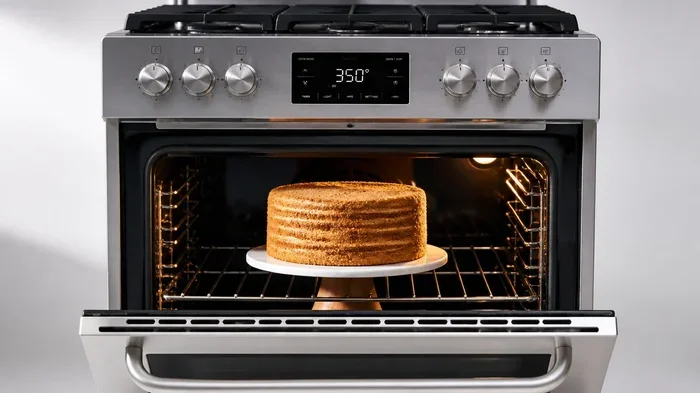
Always preheat your oven before placing the bread inside. A cold oven means uneven heating, and that leads to some parts being burnt while other parts are still cold. Set your oven to 350°F (175°C) and let it fully heat up before you put the bread in.
350°F is the sweet spot for reheating bread in oven. It is hot enough to crisp the crust but gentle enough to warm the inside without drying it out. If your oven runs hot, you can drop the temperature to 325°F. If it runs cool, 375°F will work, but keep a close eye on the bread.
Use A Damp Paper Towel
This is one of the best-kept secrets for reheating bread. Take a clean paper towel and lightly dampen it. Then wrap it loosely around the bread or lay it over the top. The moisture from the towel creates steam as the bread heats, which keeps the interior soft and pillowy.
Do not soak the paper towel. Just a light mist of water is enough. Too much moisture will make the bread soggy instead of crispy. The goal is to add just enough steam to prevent the bread from drying out while the oven does its work on the crust.
Decide On Whole Loaf Or Sliced
Whole loaves and baguettes need slightly different handling than sliced bread. For a whole baguette, you can reheat it as-is with the damp towel wrapped around it. For sliced bread, you can lay the slices on a baking sheet in a single layer so air circulates around each piece.
Sliced bread reheats faster, usually in about 5 minutes. A whole loaf or baguette may need 8 to 10 minutes. Adjust your timing based on the size and thickness of the bread you are reheating.
Step-By-Step Guide To Reheating French Bread
Now that you have prepared the bread and preheated the oven, it is time to reheat. Follow these simple steps for perfect results every time.
Step 1: Wrap Or Place The Bread
Take your French bread and either wrap it loosely in aluminum foil or place it on a baking sheet lined with parchment paper. Wrapping in foil traps more steam and keeps the inside soft. Placing it on a sheet pan allows more airflow and creates a crispier crust overall.
For a baguette, you can also place it directly on the oven rack if you want maximum crispness. Just make sure the rack is in the center of the oven for even heat distribution.
Step 2: Add Moisture If Needed
For bread that has been in the fridge or is very dry, add moisture to the oven. Place a small oven-safe dish with about half an inch of water on the rack below the bread. The steam will keep the bread from drying out while it reheats.
This technique is similar to what professional bakeries do when they bake bread fresh. The steam in the oven keeps the crust flexible during the early stages of baking, which allows the bread to expand fully. When reheating, steam serves a similar purpose by keeping the bread from becoming too dry.
Step 3: Heat For 5 To 10 Minutes
Place the bread in the preheated oven and set a timer for 5 minutes. Check the bread after 5 minutes. The crust should feel warm and slightly firm. The inside should be soft and warm to the touch.
If the bread is still cold in the center, add another 2 to 3 minutes. Do not exceed 10 minutes for most loaves, as the crust can become overly hard and the interior can start to dry out. Watch the bread closely during the last few minutes.
Step 4: Let It Rest
Once the bread is warm, take it out of the oven and let it rest for 1 to 2 minutes. This allows the heat to distribute evenly through the loaf. Cutting into it immediately can cause the steam to escape too quickly, which affects the texture.
After resting, the bread should have a golden, crispy crust on the outside and a soft, warm interior. It should smell amazing and taste almost as good as fresh from the oven.
Step 5: Serve And Enjoy
Serve the reheated French bread with butter, jam, olive oil, or whatever you like best. The warmth brings out the natural flavors of the bread and makes every bite enjoyable. This is the perfect way to enjoy leftover French bread without any waste.
Tips For Perfect Reheated French Bread
Getting great results every time comes down to a few simple tips and tricks. These tips will help you master the art of French bread reheating and consistently achieve bakery-quality results.
Use The Right Bakeware
A baking stone or pizza stone works wonders for reheating bread. The stone retains heat and transfers it evenly to the bread, which creates a more consistent crust. If you do not have a stone, a baking sheet or a cast iron skillet works well too.
Avoid using dark or non-stick pans, as they can cause the bottom of the bread to burn. Light-colored baking sheets are the safest choice for even browning.
Do Not Skip The Foil
If you want a softer interior with a lightly crispy crust, wrap the bread in foil. The foil traps moisture and creates a gentle heating environment. This is especially helpful for larger loaves that take longer to warm through.
If you want a very crispy crust, skip the foil and place the bread directly on the baking sheet or oven rack. The direct heat will crisp the outside more aggressively.
Refresh The Crust After Reheating
Sometimes the crust loses a bit of its crunch during reheating. If this happens, place the bread back in the oven for 1 to 2 minutes without the foil or damp towel. This quick flash of heat will restore the crunch without overcooking the inside.
Watch it carefully during this step. The difference between a perfectly crisp crust and an over-baked crust is just a minute or two.
Reheat Only What You Will Eat
It is tempting to reheat the entire loaf at once, but bread reheats best in portions. Reheating only what you plan to eat right away gives you the best texture and flavor. If you reheat the whole loaf and store the leftovers, the bread will lose quality with each reheat.
Think of it like this. Each time you reheat bread, you are giving it a second life. But that second life is shorter than the first. So only reheat what you will enjoy in the moment.
Experiment With Different Temperatures
While 350°F is the standard, you can experiment with slightly different temperatures based on your preference. 325°F gives a gentler heat and a softer result. 375°F creates a crispier crust more quickly. Find the temperature that works best for the type of bread you have and the texture you prefer.
Common Mistakes To Avoid When Reheating French Bread
Even with the best intentions, it is easy to make mistakes when reheating bread. Here are the most common errors and how to avoid them so your bread always comes out perfect.
Using The Microwave
This is the number one mistake people make. The microwave heats bread unevenly and turns the crust rubbery and chewy. It destroys the texture that makes French bread special. Always use the oven for the best results. The microwave might be convenient, but it ruins the bread.
Overheating The Bread
Leaving bread in the oven for too long is another common mistake. The crust becomes hard and difficult to bite through, while the inside turns dry and crumbly. Set a timer and check the bread frequently. It is better to underheat slightly and add a minute or two than to overheat and ruin the loaf.
Reheating Frozen Bread Without Thawing
If your bread is frozen, let it thaw at room temperature for 20 to 30 minutes before reheating. Reheating frozen bread directly in the oven leads to uneven heating. The outside may be hot while the inside is still frozen or cold.
Once thawed, you can follow the same reheating steps we covered above. The bread will reheat much more evenly and taste far better.
Forgetting To Add Moisture
Bread that has been stored for more than a day needs extra moisture during reheating. Without it, the bread comes out dry and unappetizing. Always use a damp paper towel or a pan of water in the oven when reheating older bread.
This small step makes a huge difference in the final result. It is one of those tricks that separates good reheated bread from great reheated bread.
Skipping The Preheat
Putting bread in a cold oven wastes time and produces uneven results. Always preheat the oven first so the bread starts cooking immediately at the right temperature. This ensures the crust crisps up properly while the inside warms through evenly.
How To Store French Bread For Best Reheating Results
Proper storage makes reheating much easier and more effective. If you know you will want to reheat the bread later, store it the right way from the start.
Room Temperature Storage
For bread you plan to eat within one or two days, store it at room temperature. Wrap it loosely in a clean kitchen towel or place it in a paper bag. This allows the bread to breathe while keeping it from drying out too quickly.
Never store French bread in a sealed plastic bag at room temperature. The trapped moisture will make the crust soggy and can lead to mold growth. Paper or cloth allows air circulation, which keeps the crust crisp and the bread fresh longer.
Freezing For Longer Storage
If you want to keep French bread for more than two days, freezing is the best option. Wrap the bread tightly in plastic wrap and then place it in a freezer bag. Squeeze out as much air as possible before sealing.
Frozen French bread can last for up to three months without significant quality loss. When you are ready to eat it, let it thaw at room temperature and then reheat in the oven using the steps we covered above. The results will be nearly identical to fresh bread.
Freezing is a great way to buy bread in bulk or bake a large batch and enjoy it over several days. Just make sure you label the bag with the date so you use the oldest bread first.
Conclusion
How To Reheat French Bread In Oven is a simple skill that saves money, reduces food waste, and gives you delicious bread any time you want it. The oven method is fast, easy, and produces results that no other method can match. With just a few minutes and a little preparation, you can turn stale bread into something that tastes fresh and bakery-quality.
Remember the key steps: preheat to 350°F, use a damp paper towel for moisture, heat for 5 to 10 minutes, and let the bread rest before serving. Avoid the microwave at all costs, and always store your bread properly so it reheats well the next time.
Whether you are reheating a leftover baguette from last night’s dinner or bringing back a loaf you baked yourself, the oven is your best tool. Practice these techniques a few times, and you will never look at leftover bread the same way again. Your taste buds will thank you every time.
The beauty of this method is that it works for almost any type of French bread. Baguettes, boules, batards, pain de campagne, and even French bread rolls all benefit from oven reheating. Once you master the basic technique, you can adapt it to any shape or size of bread. So go ahead, warm up that loaf, and enjoy every single bite.
Frequently Asked Questions
Can I reheat French bread without foil?
Yes, you can reheat French bread without foil. Simply place it on a parchment-lined baking sheet. The bread will develop a crispier crust without the foil. Just make sure to add a damp paper towel if the bread is stale to keep the inside moist.
How long can I store French bread before reheating?
French bread stored at room temperature stays fresh for 1 to 2 days. For longer storage, wrap it tightly and freeze it for up to 3 months. Bread stored in the fridge dries out faster, so room temperature or freezing is always better for reheating results.
What temperature is best for reheating French bread?
350°F (175°C) is the ideal temperature for reheating French bread in the oven. This moderate heat warms the bread evenly without burning the crust or drying out the interior. You can adjust slightly to 325°F or 375°F based on your oven and preference.
Can I reheat already sliced French bread?
Yes, sliced French bread reheats well in the oven. Lay the slices in a single layer on a baking sheet and heat for 3 to 5 minutes at 350°F. Sliced bread reheats faster than a whole loaf, so keep an eye on it to prevent over-baking.
Why does my reheated bread taste different from fresh bread?
Reheated bread will never taste exactly like fresh bread because the baking process has already happened. However, the oven method comes very close by restoring the crispy crust and soft interior. Adding a damp paper towel and a pan of steam in the oven helps mimic fresh-baked results.
Is it safe to reheat bread multiple times?
It is best to reheat bread only once. Each reheating cycle further breaks down the starch structure, making the bread drier and less enjoyable. Reheat only what you plan to eat immediately for the best taste and texture.
=== CONCLUSION ===
Reheating French bread in the oven is the simplest and most effective way to enjoy leftover bread. With the right temperature, timing, and a few helpful tips, you can bring any loaf back to life. The oven restores the crispy crust and soft, warm interior that makes French bread so irresistible. Follow the steps in this guide, avoid the common mistakes, and you will always have delicious bread ready to enjoy. Practice makes perfect, so try these techniques the next time you have leftover French bread and taste the difference for yourself.